Viewpoints
2 min read
• Nov. 8, 2026
Two years in: TETC students are reaching new heights through expanded STEM education
- On International STEM Day, we're celebrating what’s possible when students have consistent access to high-quality STEM education, mentorship, and career exploration.
- Teen Engineering and Tech Center (TETC) students are outperforming their comparable peers in key academic areas and exceeding college readiness benchmarks.
- We’re expanding access to STEM programming for students from communities that have historically been underserved.
Viewpoints
2 min read
• Nov. 8, 2026Navigate to:
A student's path to a science, technology, engineering, and mathematics (STEM) career starts way before they apply for their first job.
STEM careers are projected to grow at more than double the rate of other occupations.1 Yet too many talented students still lack access to the resources, experiences and educational pathways that can help them pursue those opportunities.
So, in 2024, we expanded our STEM portfolio to help close this gap by asking a simple question: What can we do to help ensure the next generation of talented students has a clear path into the STEM workforce?
One key initiative that emerged from this question was the ExxonMobil Foundation Teen Engineering and Tech Centers (TETCs), a first-of-its-kind after-school program that provides underserved students with free, high-quality, hands-on STEM programming that positions them for success in pursuing a STEM career.
As the program prepares to enter its third year, early results suggest the TETCs help students achieve academically, remain engaged in STEM learning and increasingly envision themselves pursuing engineering careers. TETC students are outperforming their comparable peers on several academic measures, and interest in engineering careers specifically, among 10th-grade TETC students, increased from 70% to 83% in just one year.

Key highlights:
- TETC students achieve statistically significant gains in math grades and PSAT scores, outperforming comparable peers and exceeding national college readiness benchmarks.
- TETC students demonstrate statistically significant gains in Algebra I performance, with 92% meeting or exceeding state standards compared with 86% of comparable peers.
- We’ve achieved a 91% year-over-year student net retention rate2, exceeding typical high school after-school program benchmarks.3
- 100% of TETC students qualify for Free/Reduced Lunch, demonstrating we’re reaching students who need this program the most.
Together, these results demonstrate the potential of sustained STEM programming to strengthen the future talent pipeline.
But our support doesn’t stop there. We’re providing college scholarships of up to $10,000 per year for TETC students based on financial need, made possible in part through ExxonMobil employee contributions to our annual giving campaign. Our goal is to walk alongside these students throughout their entire college journeys, helping them gain internships and eventually secure a full-time engineering or STEM role.
We're also dedicated to expanding this work to other parts of the world. In Guyana, for example, ExxonMobil is investing $100 million in STEM education to help more students gain access to quality, hands-on learning opportunities regardless of their background.
We know this is important work, and that’s why we’re in it for the long haul. Since 2000, ExxonMobil and the ExxonMobil Foundation have invested $1.6 billion in education initiatives in the communities where ExxonMobil operates around the world. We're applying the same capabilities that help deliver large, complex projects to create more pathways for students to pursue STEM careers and thrive in the workplace.
While there is still plenty of work ahead, we're excited about the progress we're seeing and remain focused on strengthening the talent pipeline of engineers and innovators who will one day help shape our future.
By investing in students today, we're helping them envision a future in STEM and equipping them with the opportunities to turn that vision into reality.
More to come!
Teen Engineering and Tech Center (3:41)
Explore more
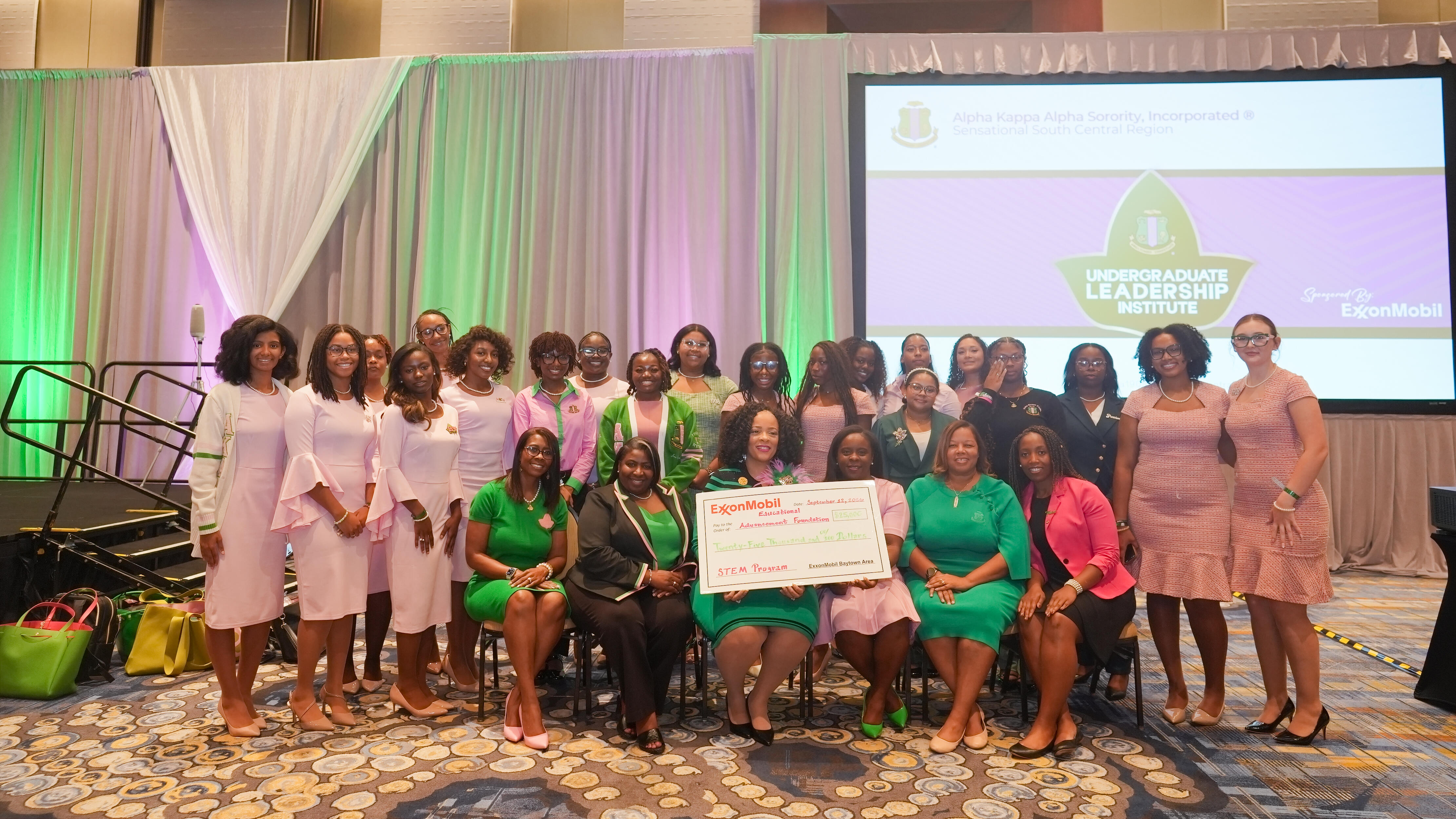
Empowering future leaders through STEM education and innovation
Article
•
2 min read
• Oct. 19, 2026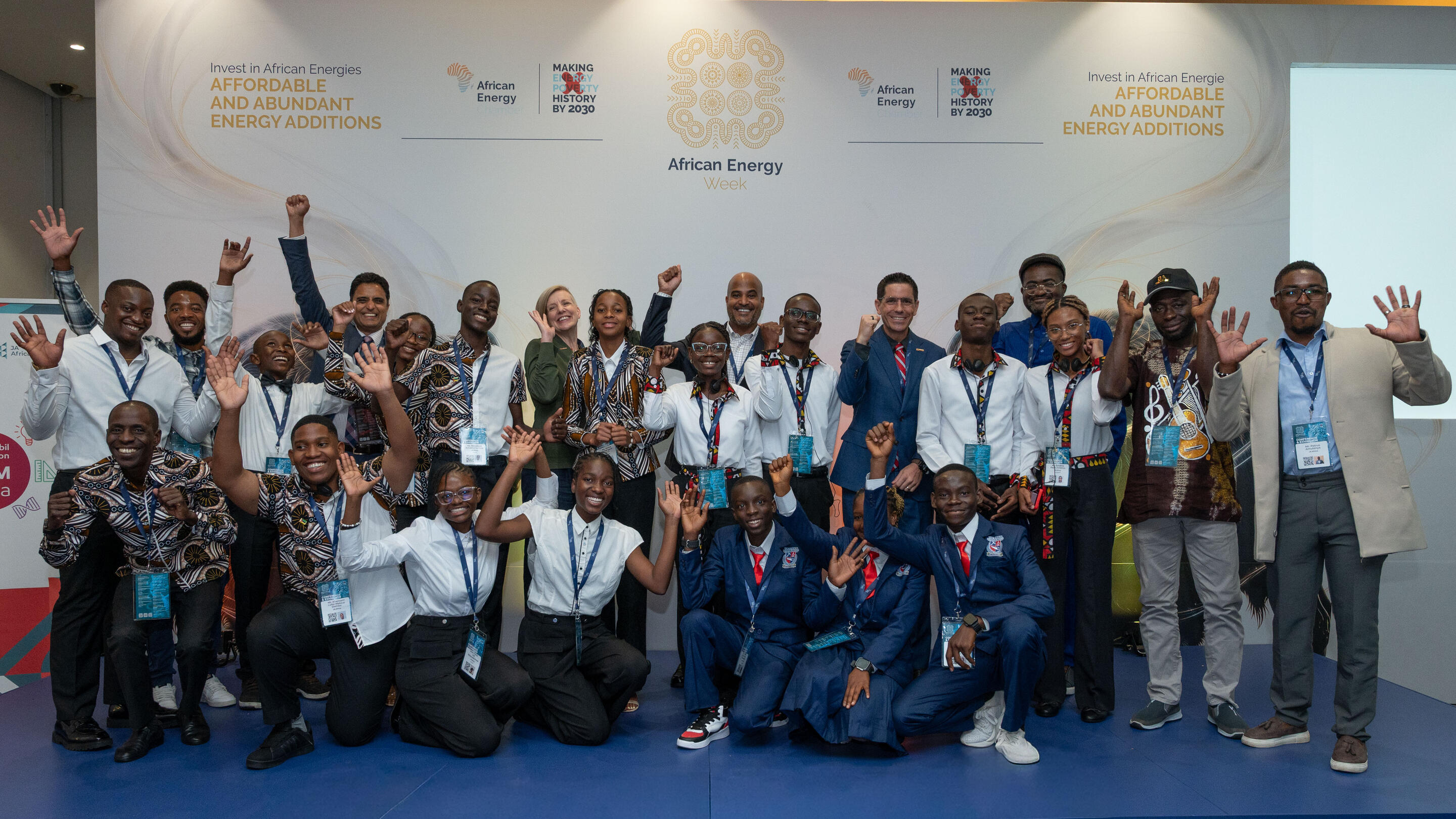
Africa's young innovators compete at the third annual ExxonMobil Foundation STEM Africa regional finals
News
•
3 min read
• Oct. 14, 2026
Empowering Terengganu's next generation of innovators through STEM
News
•
2 min read
• Oct. 5, 2026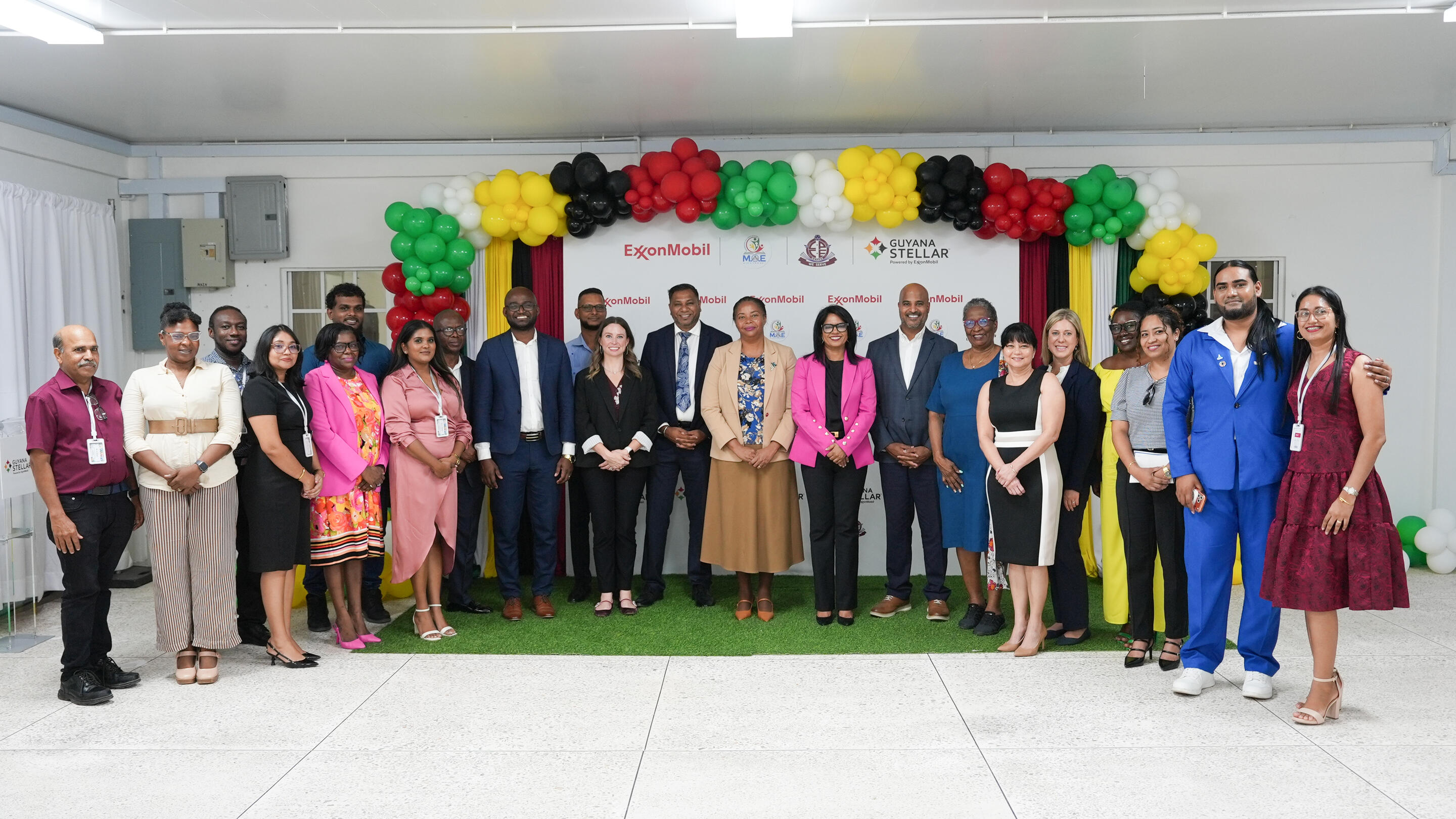
ExxonMobil Advances $100M STEM Investment in Guyana
Article
•
2 min read
• Aug. 31, 2026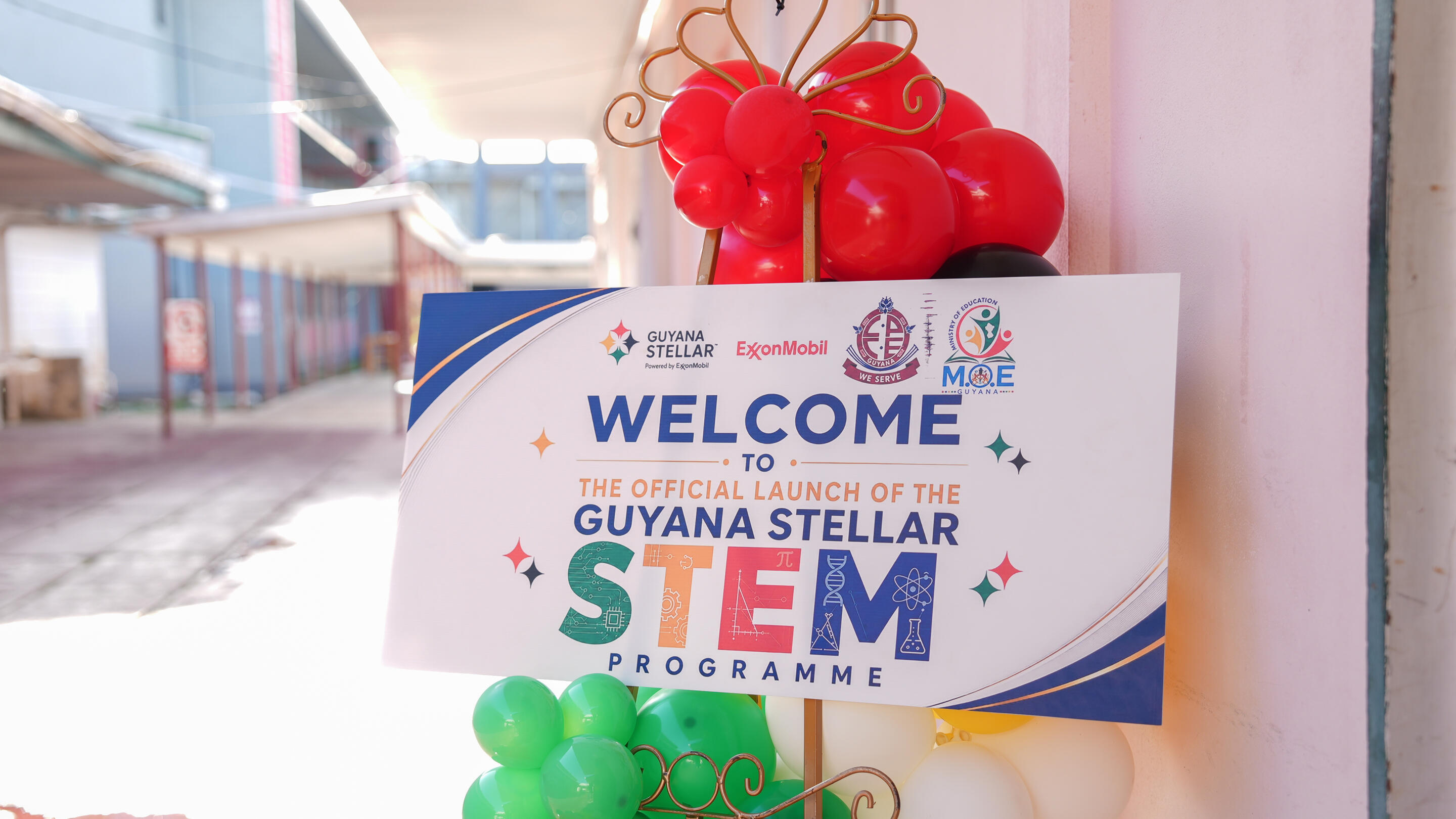
60 Pre-Service Teachers to Benefit from ExxonMobil Guyana's Transformative STEM Training Programme
News
•
2 min read
• Aug. 24, 2026