Article
5 min read
• Feb. 24, 2026
The full potential of STEM education: How the ExxonMobil Foundation is making STEM more accessible
- STEM jobs are projected to grow more than 10% over the next decade — twice the rate of other occupations — but many risk going unfilled due to a shortage of skilled candidates.
- Since 2024, the ExxonMobil Foundation has piloted three STEM initiatives aimed at building a stronger and more inclusive STEM talent pipeline.
- Early results show promise of STEM program impact on students and educators.
Article
5 min read
• Feb. 24, 2026Navigate to:
When I stepped into my first classroom as a Teach for America corps member more than 20 years ago, I saw firsthand how a zip code could shape a child’s future. That experience changed me. It taught me that talent is universal, but opportunity is not — and education is the most powerful tool we have to help close this gap.
Today, as the President of the ExxonMobil Foundation, I carry that lesson with me every day in my work. Our mission is simple yet profound: to unlock opportunity for talented students who lack access.
It’s not just about preparing students for college and careers — it’s about equipping them to solve the challenges of tomorrow. Over the next decade, STEM jobs in the U.S. are projected to grow by more than 10%, twice as fast as other fields. Yet many of these positions risk going unfilled due to a shortage of skilled candidates*. At the same time, students and teachers in underserved communities often lack access to high-quality STEM education resources that are critical to college and career readiness.
This is a challenge we can’t afford to ignore.
Over the past two years, the ExxonMobil Foundation has taken bold steps to address this head-on — bringing on a team of experts, forming new partnerships and developing new programs to create lasting positive social impact.
The result? Three initiatives that represent our commitment to building a stronger, more accessible STEM talent pipeline for generations to come. We’re seeing encouraging early indicators so far that I am proud to share.
Alvin Abraham, President of the ExxonMobil Foundation, reflects on our three key STEM initiatives.
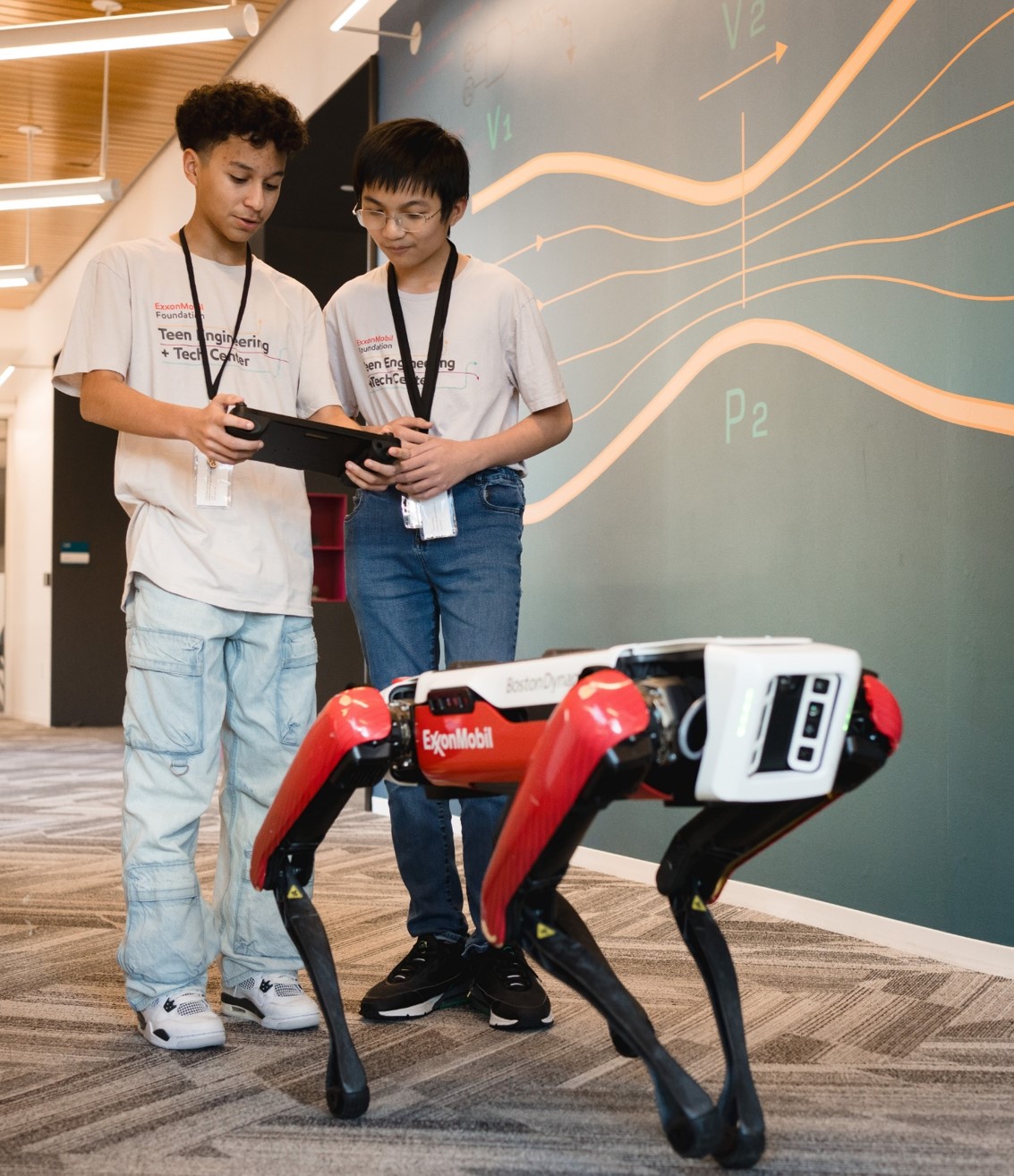
1. ExxonMobil Foundation Teen Engineering + Tech Centers
In 2024, we launched two pilot Teen Engineering + Tech Centers (TETCs) in Houston and Spring, Texas. These centers offer intensive after-school STEM programming — at no cost to underserved students and families from local school districts including KIPP Texas charter schools, Houston Independent School District (ISD) and Spring ISD. The hands-on curriculum includes robotics, coding, chemistry and more through dedicated lab spaces, 3D and laser printing, and computer-aided design (CAD) — all aimed at building the essential skills and technological literacy students need to succeed in STEM college programs and future careers.
Although the program is still in its early days, the initial outcomes have been promising, and we’re focused on keeping the momentum. After one year attending the TETCs, our first cohort of freshmen outperformed their peers in Algebra I school grades and Texas state test scores. Just as importantly, they’ve shown increased confidence and interest in pursuing STEM careers, giving us assurance about the long-term potential of the pilot program, especially as we look to grow student participation in the TETCs in coming years.
We began our second year of programming August 2025 with 96% of first-cohort students returning as sophomores, joined by 130 new freshmen. We’re thrilled to see students regularly show up after school, even on optional programming days like a Friday afternoon.
2. Unlocking free Texas-aligned STEM resources with Khan Academy
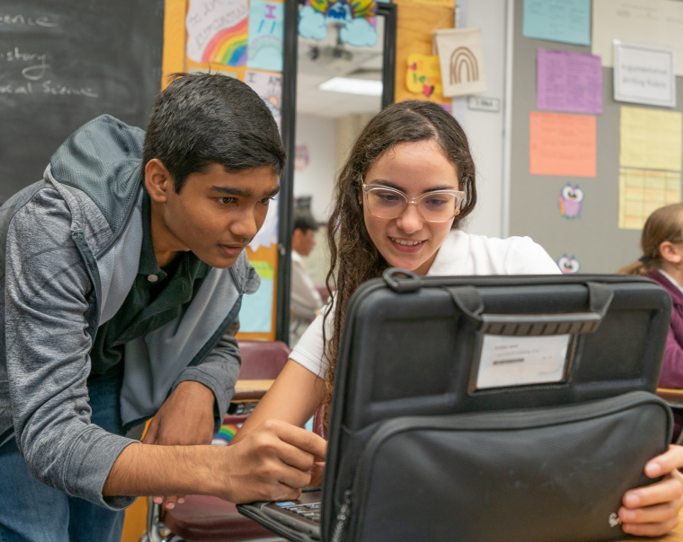
We teamed up with Khan Academy to offer free, online math and science resources aligned to Texas state education standards-accessible on any phone or device at no cost. Our investment has provided every 5th to 12th grade student in Texas the opportunity to access free Khan modules that are aligned to state standards, making it easier to follow along with their curriculum in the classroom.
In summer 2024, we launched the first wave of new Texas-aligned student courses covering grades 5-8 Math, Algebra I, Biology, Chemistry and Physics, as well as teacher resources for these subjects. Year-over-year, these resources have outperformed comparable U.S. courses in increasing the number of STEM learners and learning time.
- About 24% of Texas students have already logged nearly 100 million learning minutes on these Texas-aligned STEM courses.
- These new Texas-aligned student math and science resources have increased the number of STEM learners on Khan Academy by 45% and STEM learning time by 21% year-over-year, exceeding Khan Academy’s benchmarks of 8% and 5%.
- Texas teachers are benefiting too. Nearly half of all 3rd to 12th grade Texas educators have used these first-of-their-kind, Texas-aligned teacher resources to boost content knowledge and classroom instruction.
We launched our second set of new student and teacher courses in July 2025, with the final resources going live this summer.
We look forward to continuing our collaboration with Khan Academy to meet the needs of STEM learners and educators in Texas.
3. Teacher STEM Training Program
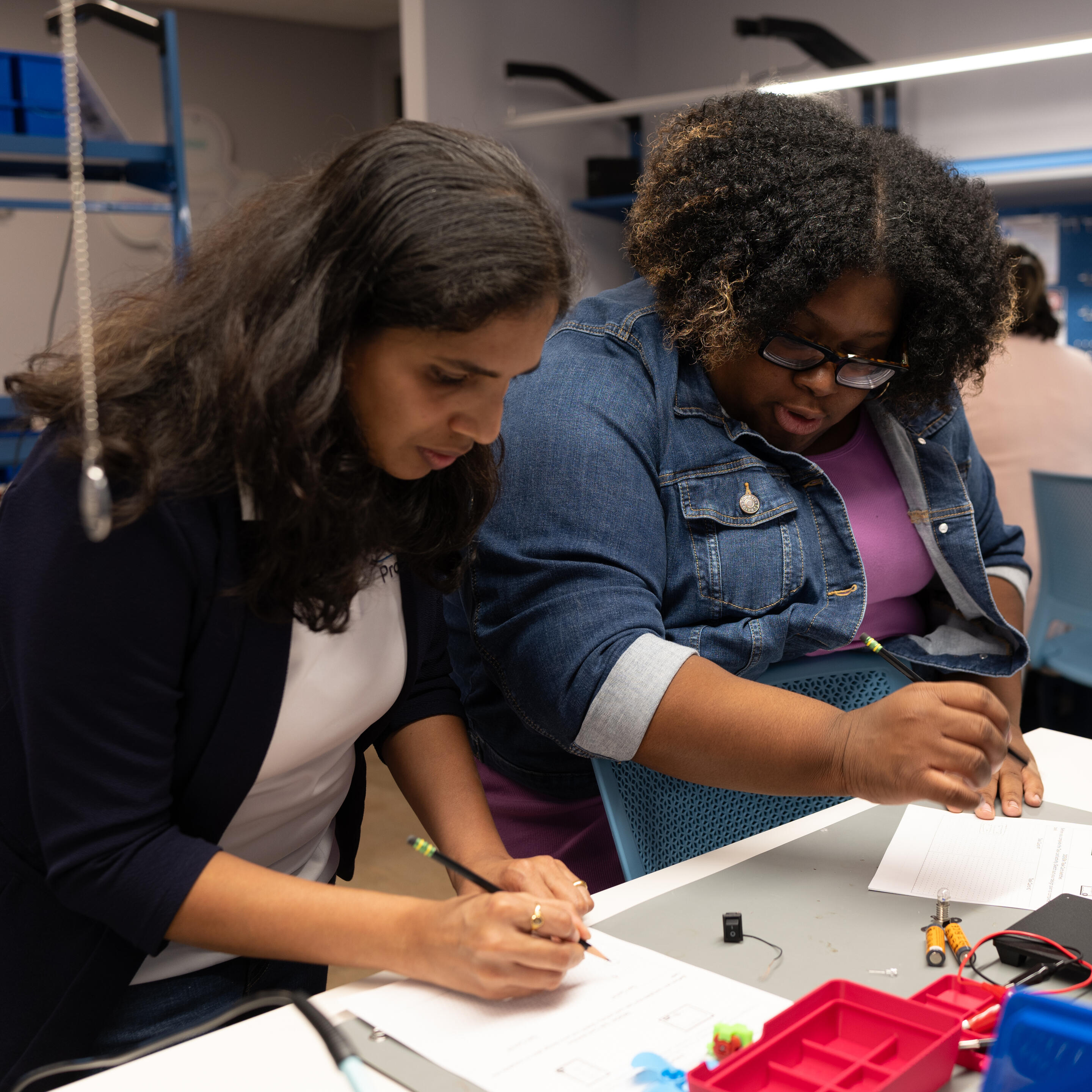
Many professionals have been stepping up to become educators in the Houston area, and we’re supporting them through training designed to increase the number of certified and upskilled teachers. We also know that even certified educators need ongoing professional development to keep pace with workforce demands and rapidly evolving technology.
That’s why we partnered with the University of Houston’s College of Education to launch “UH STELLAR” — a one-year program designed to equip Houston middle school teachers at Title I schools with the credentials and tools to effectively teach STEM subjects and inspire students. This program also includes a track for uncertified participants who will earn their Texas teaching certificate upon completion.
We welcomed our first cohort of 50 teachers last June. With strong interest from schools and teachers and a deep partnership with the University of Houston, we aim to train hundreds more by 2030.
The initial success of these initiatives shows us what’s possible when we work together to create opportunities for students and teachers.
And we’re just getting started.
We’re committed to opening more doors for students and have plans to expand this work across the U.S. and around the globe – including in Guyana, where we recently announced the Guyana STEM Initiative – a $100 million, 10-year investment to expand STEM initiatives across the country. Through this work, we’re helping to build a STEM talent pipeline that can meet tomorrow’s needs and realize the full potential of all our communities. Our shared future depends on it.
I look forward to continuing this journey with our partners, educators and communities – and sharing more about our work in this space in the years ahead.
*U.S. Bureau of Labor Statistics, Employment Projections Program
STEM education
Explore more
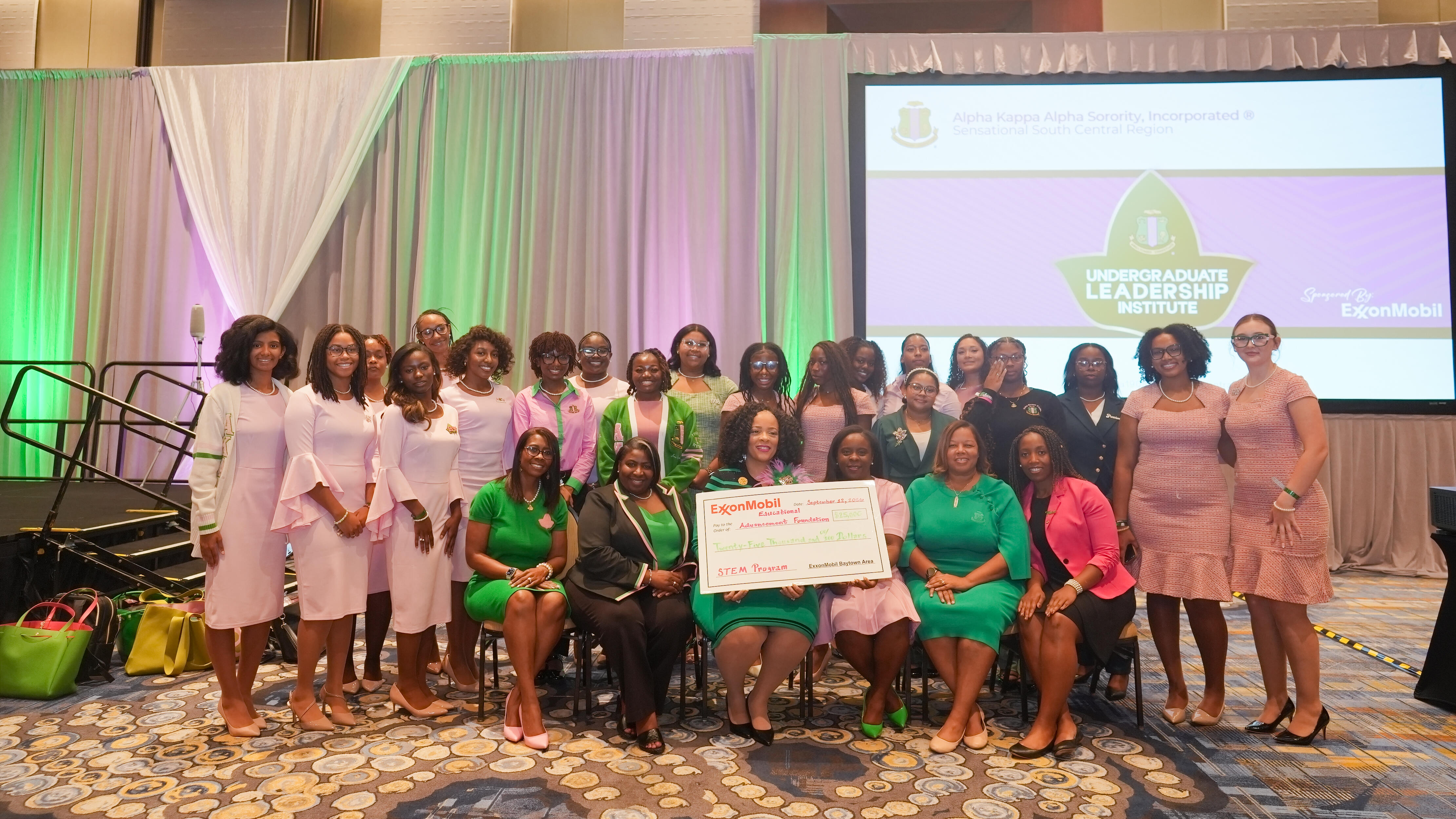
Empowering future leaders through STEM education and innovation
Article
•
2 min read
• Oct. 19, 2026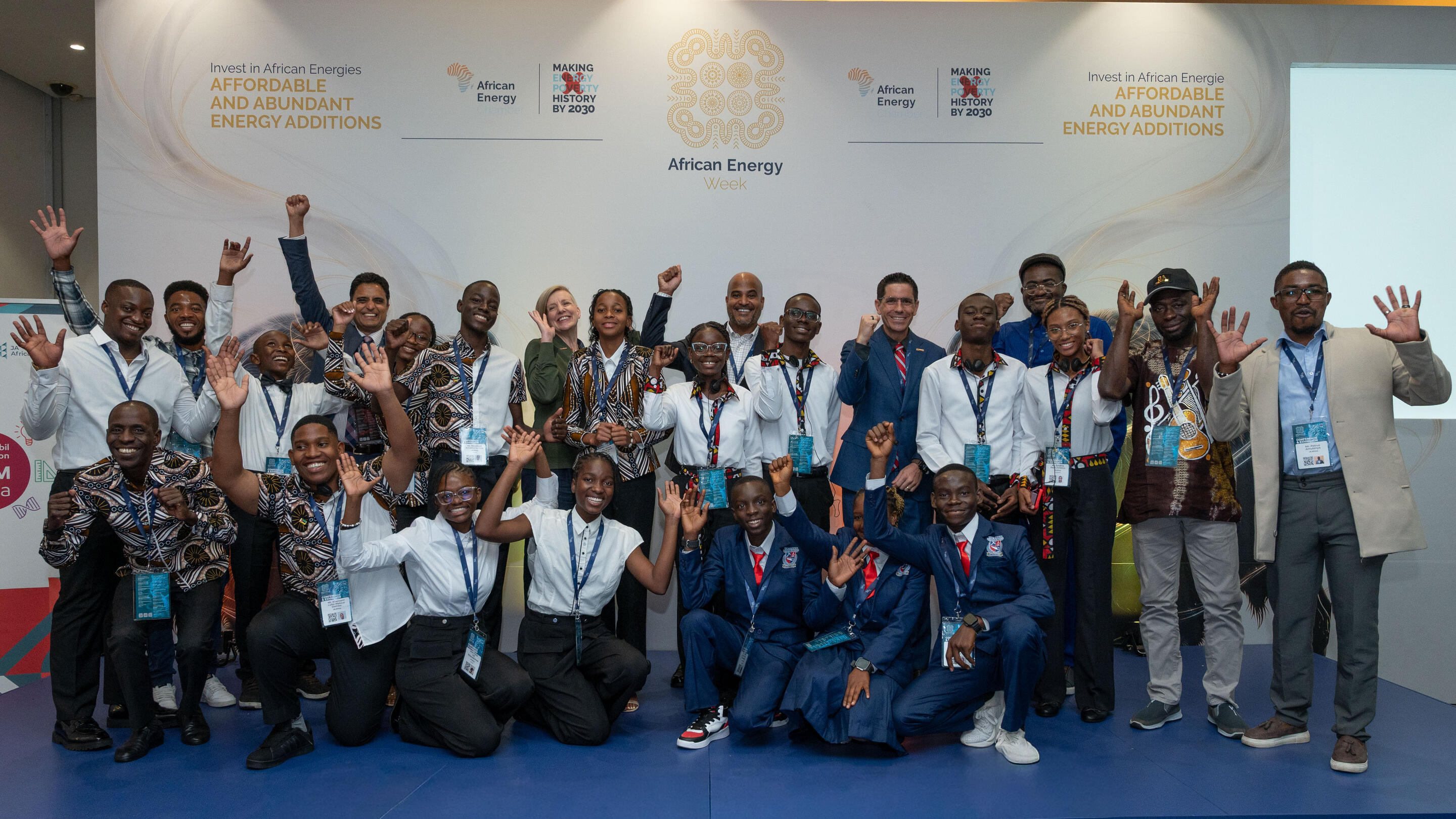
Africa's young innovators compete at the third annual ExxonMobil Foundation STEM Africa regional finals
News
•
3 min read
• Oct. 14, 2026
Empowering Terengganu's next generation of innovators through STEM
News
•
2 min read
• Oct. 5, 2026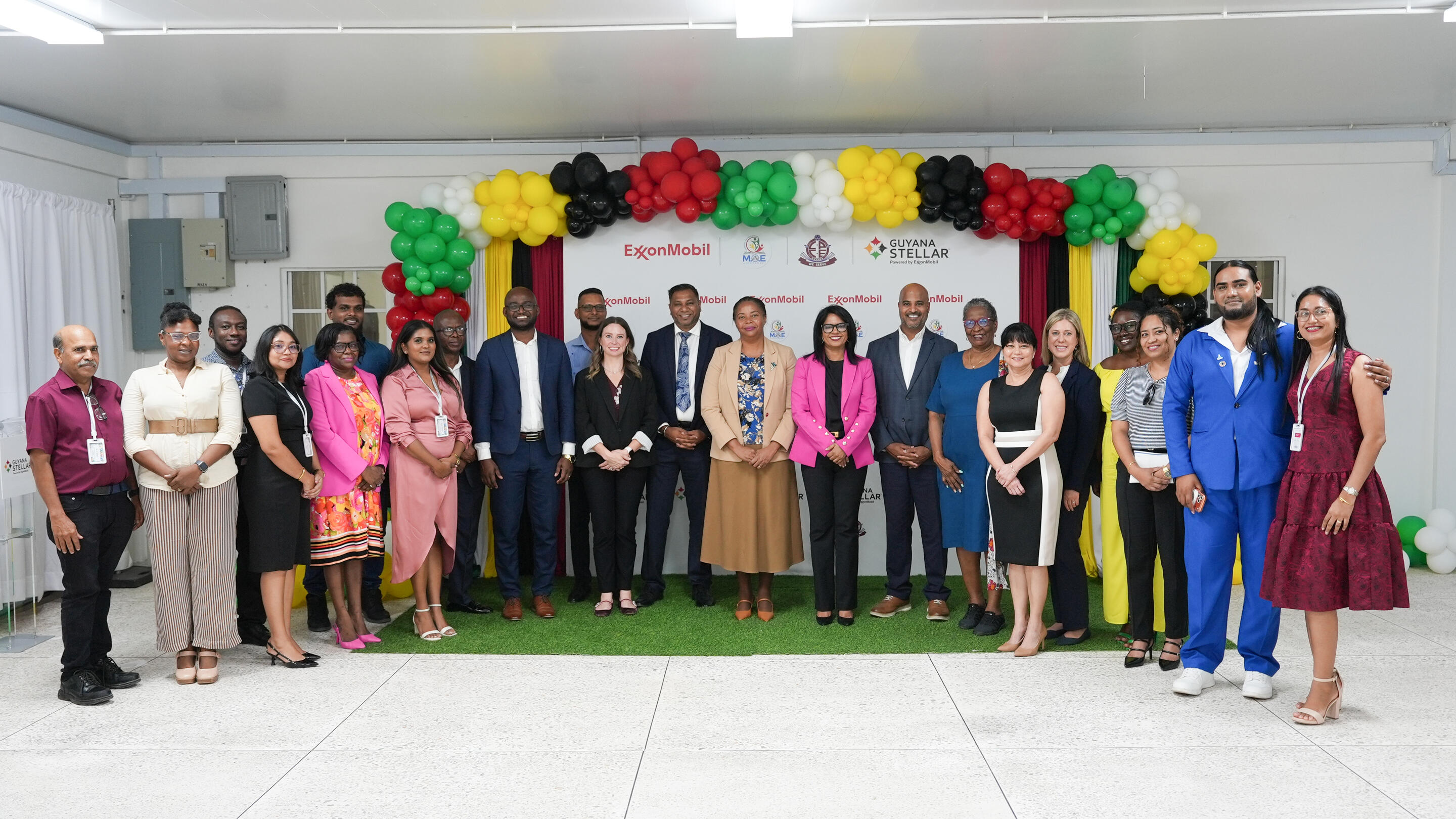
ExxonMobil Advances $100M STEM Investment in Guyana
Article
•
2 min read
• Aug. 31, 2026
60 Pre-Service Teachers to Benefit from ExxonMobil Guyana's Transformative STEM Training Programme
News
•
2 min read
• Aug. 24, 2026