
Article
5 min read
• Feb. 24, 2026
The pipeline that matters most for Guyana's future
- ExxonMobil launched a $100M, 10-year science, technology, engineering and mathematics (STEM) education initiative in Guyana.
- Built on three pillars: teacher training, student opportunities, and career pathways.
- The initiative strengthens Guyana’s talent pipeline and broader economic transformation.
Article
5 min read
• Feb. 24, 2026Navigate to:
Pipelines matter greatly to a company like ExxonMobil.
We invest in them so energy can move safely to markets that need it. Our 220-kilometer Gas-to-Energy pipeline offers a great example. Recently constructed and awaiting completion of the GTE power plant, it’s poised to benefit the people of Guyana.
But the most important pipeline for Guyana’s future won’t carry oil or natural gas. It will carry talent.
That belief is at the core of the Guyana STEM Initiative – a $100 million, decade-long investment by ExxonMobil, to strengthen Science, Technology, Engineering, and Math education across the country.
ExxonMobil CEO Darren Woods joined with Guyana President Irfaan Ali at the State House this evening to announce this groundbreaking initiative.
It’s designed to help construct Guyana’s STEM talent pipeline, and rests on a simple idea: Economic transformation lasts only when it is matched by human capability.
Energy investments may have jump-started Guyana’s economic rise, but it is the country’s people who will ultimately determine how far and how fast it can go.
Guyana’s long-term prosperity depends on equipping its young people with the skills that modern industries demand.
STEM capability sits at the center of that opportunity.
It is the common denominator behind global competitiveness in energy, manufacturing, digital technology, advanced agriculture, healthcare, you name it. Countries that cultivate strong STEM pipelines build economies that endure.
Guyana has the raw talent. The Guyana STEM Initiative is designed to help unlock it, building out the pipeline to produce the country’s future experts in robotics, geoscience, advanced materials, computing, and so much more.
Cultivating that kind of workforce is not a matter of chance. It requires early exposure, strong teachers, hands-on learning, and clear pathways to opportunity.
The Guyana STEM Initiative will invest across three pillars that reinforce one another.
1. Strengthening STEM teaching
Starting in September, the ExxonMobil Foundation will partner with the Ministry of Education, the University of Guyana and the University of Houston to deliver Teacher STEM Training.
Decades of experience show that teacher preparation is one of the strongest predictors of student success. A well‑supported math or science teacher doesn’t just improve one classroom; they improve thousands of future careers.
2. Expanding STEM opportunities for students
Guyanese students show curiosity, resilience, and a deep appetite for learning. But they often lack access to high-quality STEM resources and the kind of hands-on STEM activities that turn interest into direction - think coding, design challenges, or applied science projects.
Over the next decade, the initiative will expand student programs inside and outside the classroom and bring world-class STEM resources, including Khan Academy, to students across the country, including the schools serving small, remote hinterland communities. This initiative’s most visible component – creating a network of STEM Centres and satellites, operated by the ExxonMobil Foundation with the first opening in 2029 in Georgetown.
3. Forging pathways for college and careers
While the STEM Centres will provide hands-on experiences that connect STEM learning directly to modern careers, the initiative will also provide additional college and career readiness resources so students can see where STEM can take them. This includes pre-college math and science courses, college transition support, and mentoring and tutoring. Because when learning is tied to real-world opportunity, ambition becomes attainable.
These pillars draw on the early success of programs ExxonMobil has piloted in the United States, including the ExxonMobil Foundation Teen Engineering and Tech Center that President Ali visited last year that helped inspire this effort.
The STEM Initiative complements a national priority Guyana has championed for years: expanding educational opportunity as a foundation for long-term development.
Energy development is helping transform Guyana’s economy before everyone’s eyes. It’s an exciting chapter in the country’s story. Even more compelling is how a strong grounding in STEM will elevate future possibilities.
A decade ago, Guyana’s first major offshore discovery changed the nation’s trajectory. How the future unfolds will be determined onshore by the engineers, scientists, and innovators who will lead Guyana forward.
After all, Guyana’s greatest resource isn’t the oil and gas that lies buried beneath the seabed, but the human capital found in its classrooms around the country – capital waiting to be developed for the benefit of all.
ExxonMobil Foundation President Alvin Abraham discusses the Guyana STEM initiative, which builds off early success of similar programs ExxonMobil has piloted in the United States. (2:39)
STEM education
Explore more
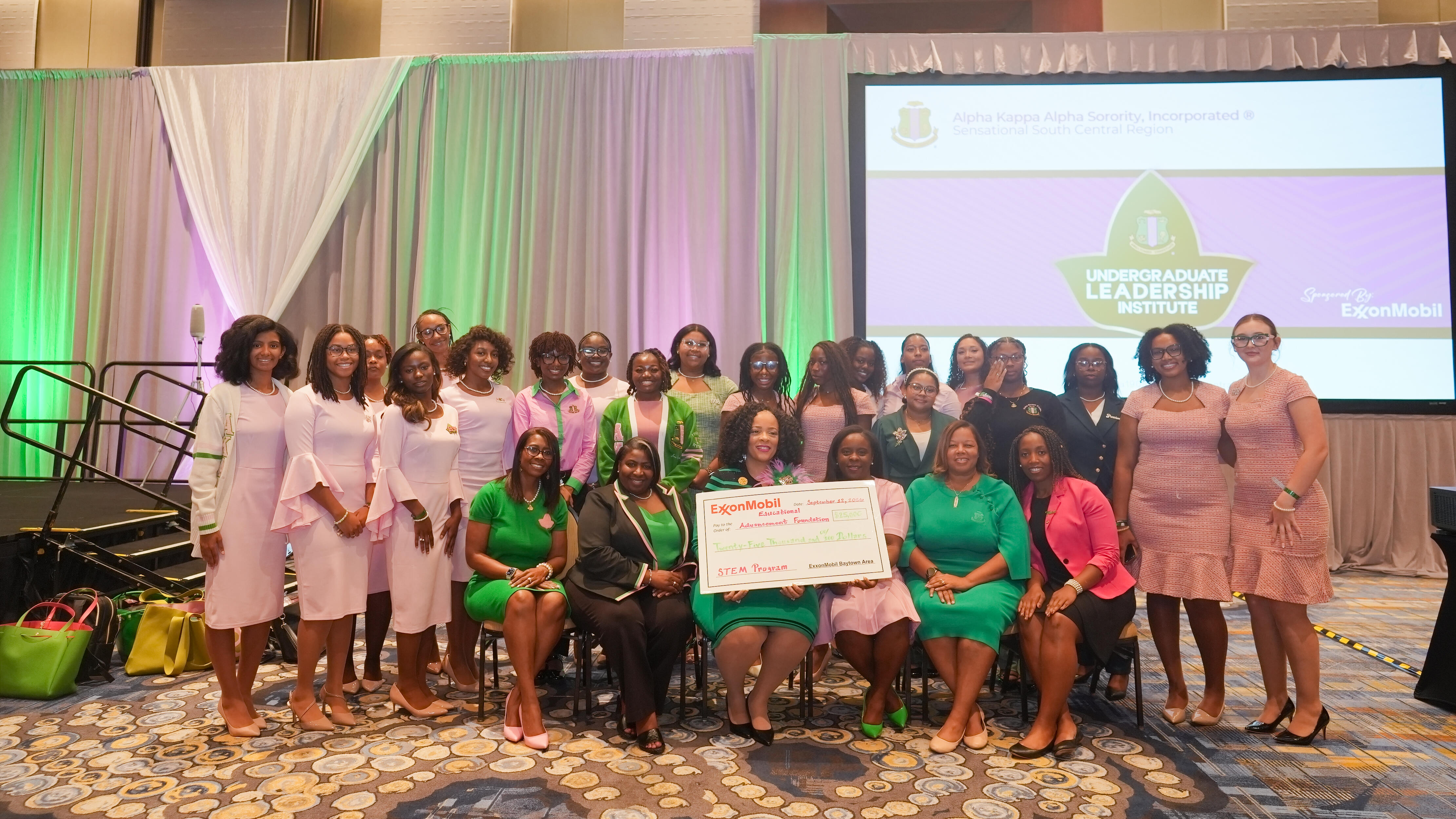
Empowering future leaders through STEM education and innovation
Article
•
2 min read
• Oct. 19, 2026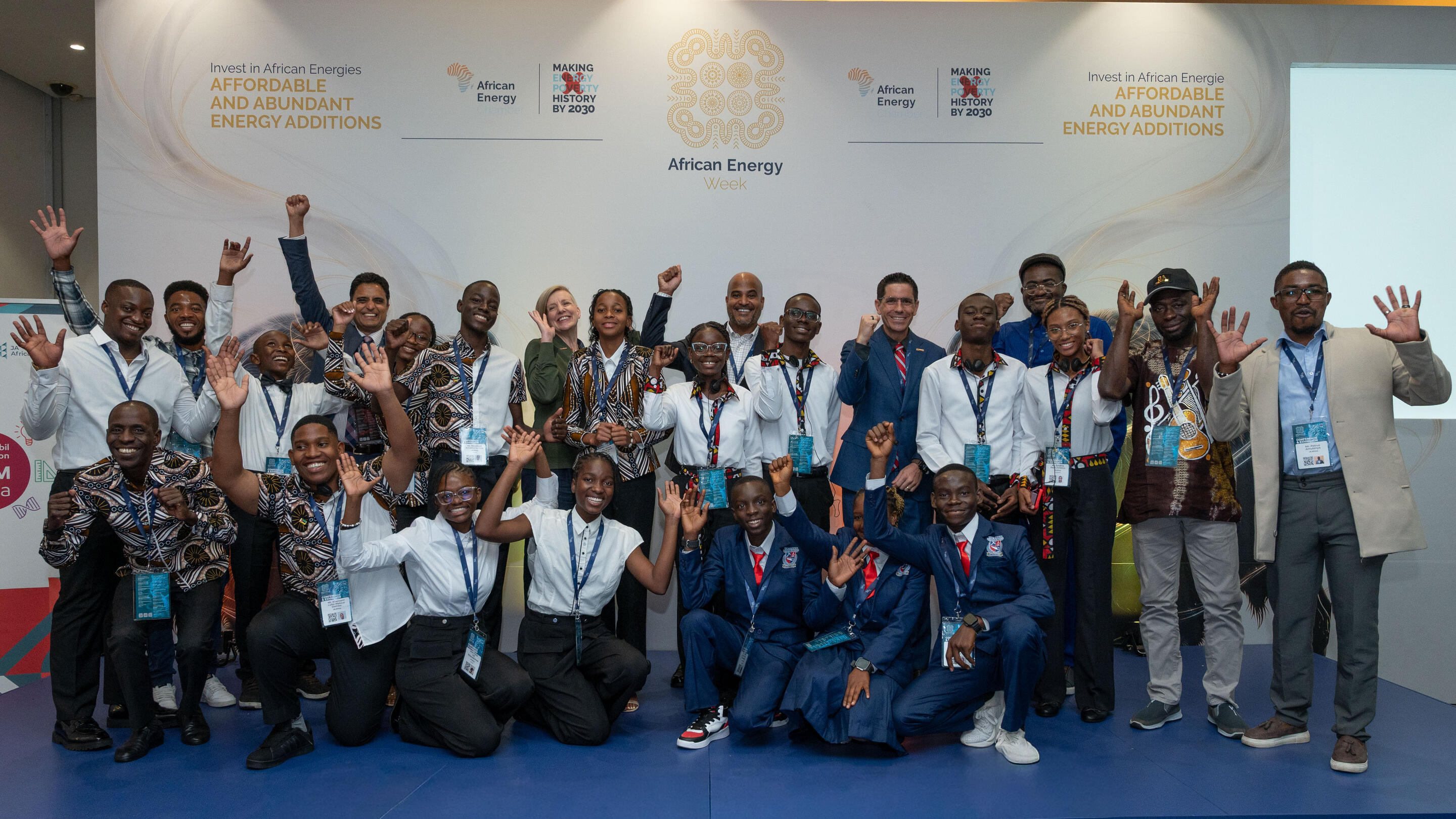
Africa's young innovators compete at the third annual ExxonMobil Foundation STEM Africa regional finals
News
•
3 min read
• Oct. 14, 2026
Empowering Terengganu's next generation of innovators through STEM
News
•
2 min read
• Oct. 5, 2026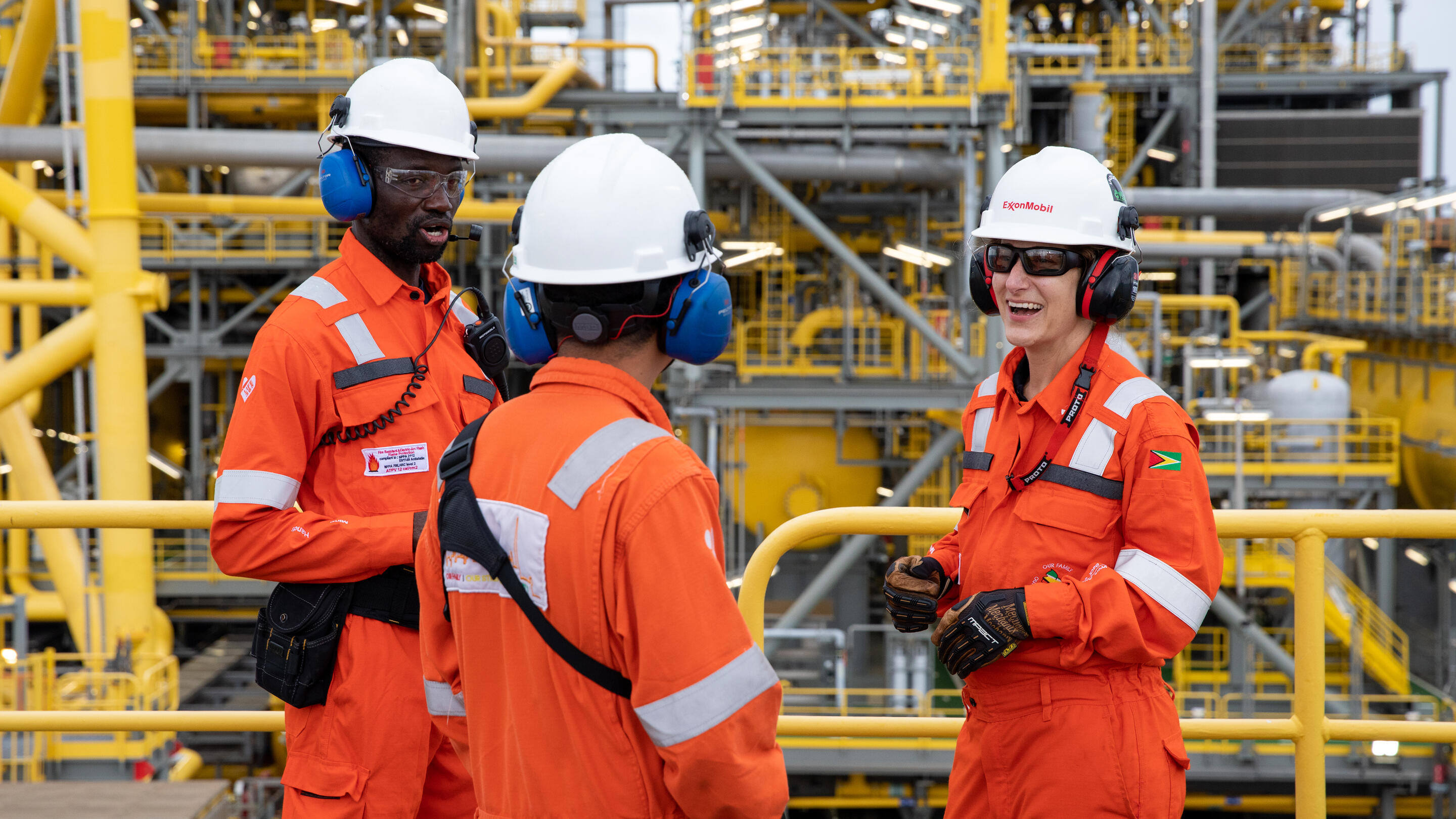
One billion barrels: Guyana's remarkable journey continues
Article
•
2 min read
• Sept. 28, 2026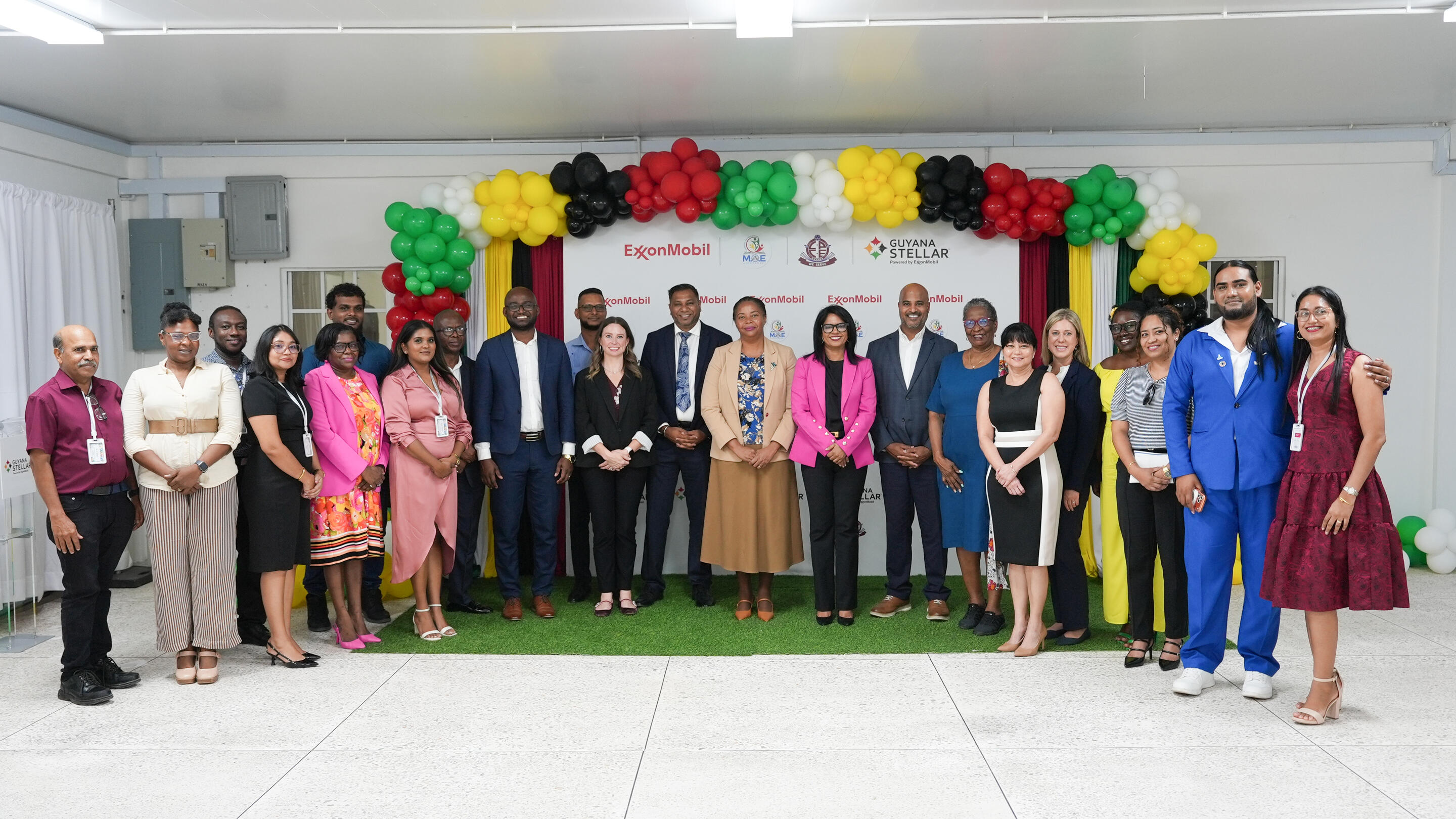
ExxonMobil Advances $100M STEM Investment in Guyana
Article
•
2 min read
• Aug. 31, 2026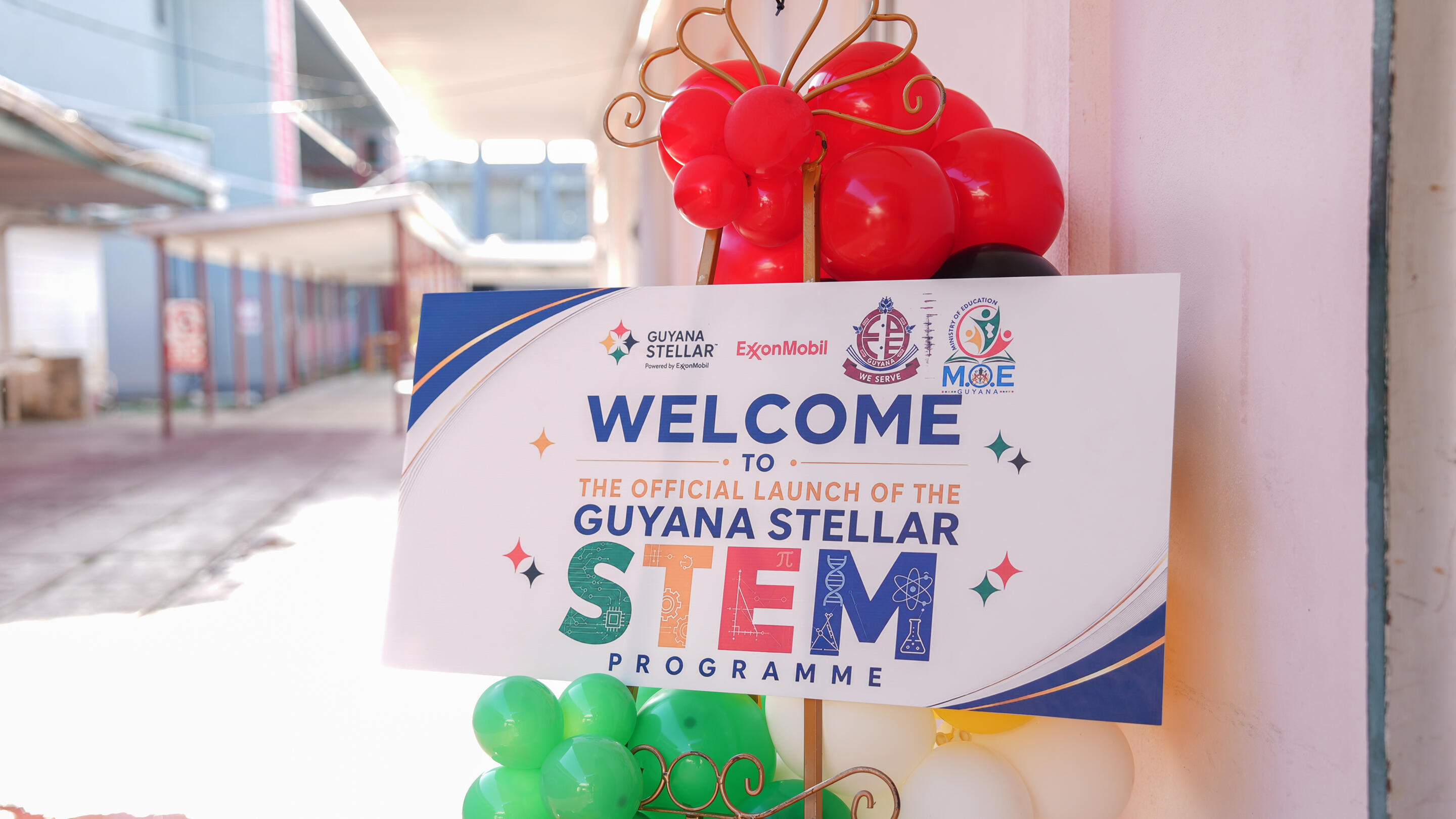
60 Pre-Service Teachers to Benefit from ExxonMobil Guyana's Transformative STEM Training Programme
News
•
2 min read
• Aug. 24, 2026