News
5 min read
• Jan. 7, 2026The Sci-Tech Challenge: Shaping the future of STEM in Europe
- In May 2025, ExxonMobil and JA Europe hosted the annual Sci-Tech Challenge.
- The competition brings young Europeans together to apply their STEM skills.
- This time, the task was making plastic recycling more efficient.
News
5 min read
• Jan. 7, 2026Navigate to:
Travelling to a new country. Meeting, working and socializing with young people from other nations. Using STEM (science, technology, engineering and mathematics) skills to explore real-world challenges and brainstorm potential solutions. Touring the European Parliament and the ExxonMobil research facilities. Receiving career advice from policymakers and industry executives.
All of this and more was in store for students at the 2025 Sci-Tech Challenge, on May 6-7. Hosted annually by ExxonMobil and Junior Achievement (JA) Europe, the event encourages students across Europe to develop their STEM capabilities. That includes using their STEM knowledge to think critically about complex global challenges, such as how to manage plastic waste more effectively.
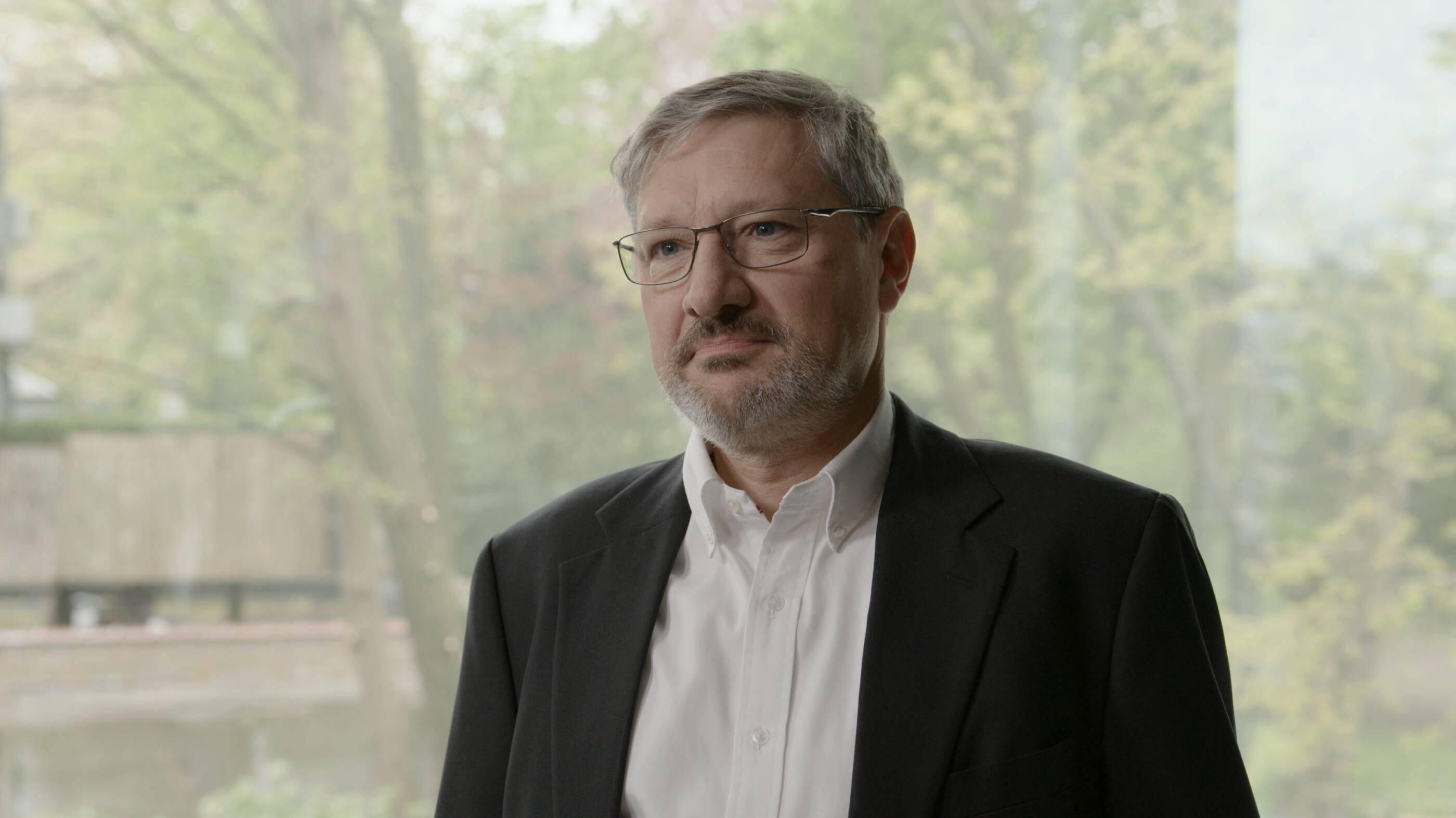
“At the Sci-Tech Challenge, we encourage students to consider how STEM skills can contribute to solving real-world challenges,” said Philippe Ducom, who was President of ExxonMobil Europe at the time of the event.
Fifteen- to eighteen-year-olds from Hungary, the Netherlands, the Czech Republic, Cyprus and Belgium took part in the 2025 Sci-Tech Challenge final in Brussels. For the students, it was the culmination of a journey that began with winning a national competition in their home countries.
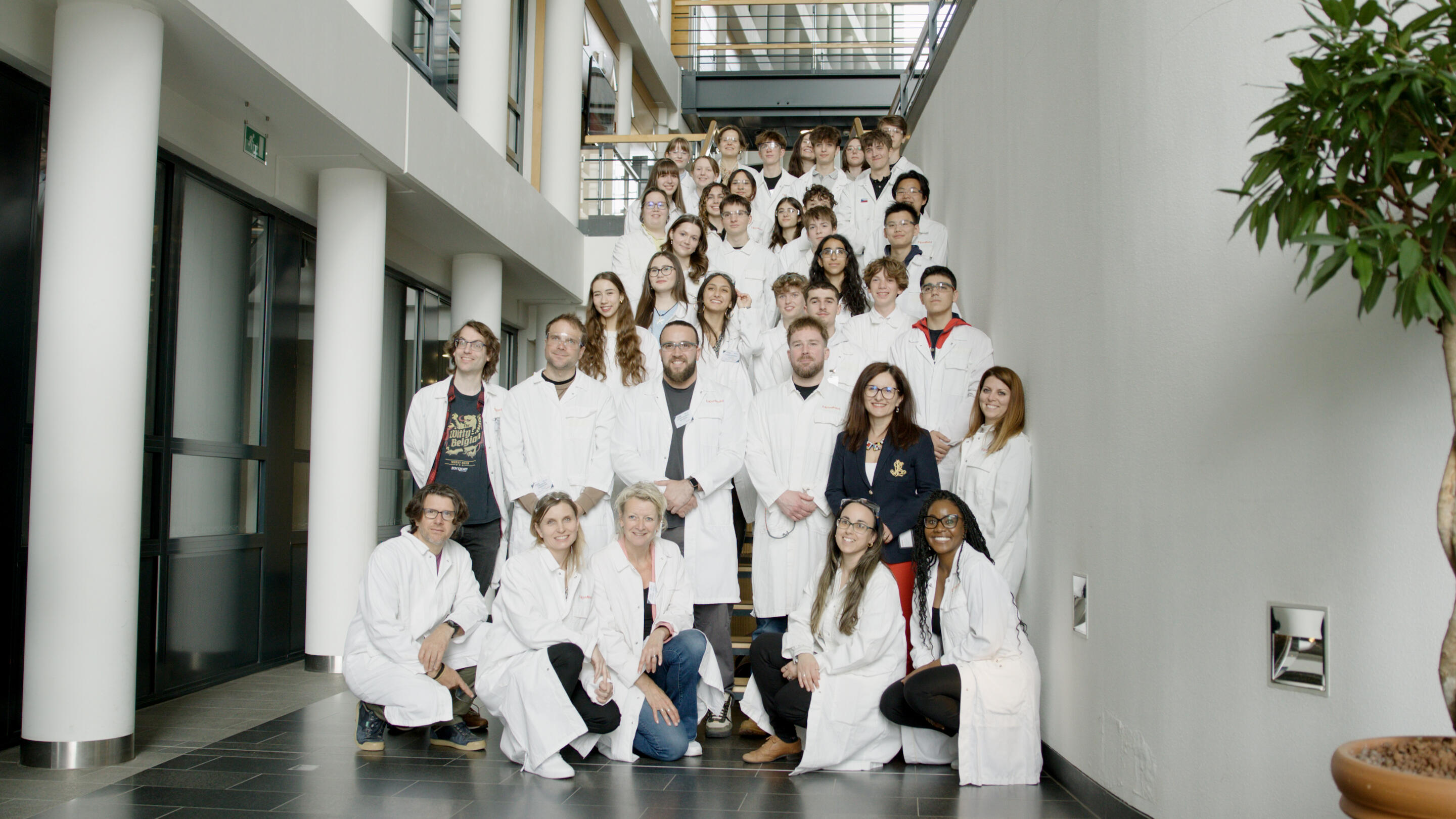
Now, they’d made it to the main event. Over two short days, they had to work together with people they’d never met before on a challenge that intersects science, industry, and policy. The teams needed to develop an idea for improving how plastic waste is managed. And it had to be an idea strong enough to wow the jury.
Inspiring ideas
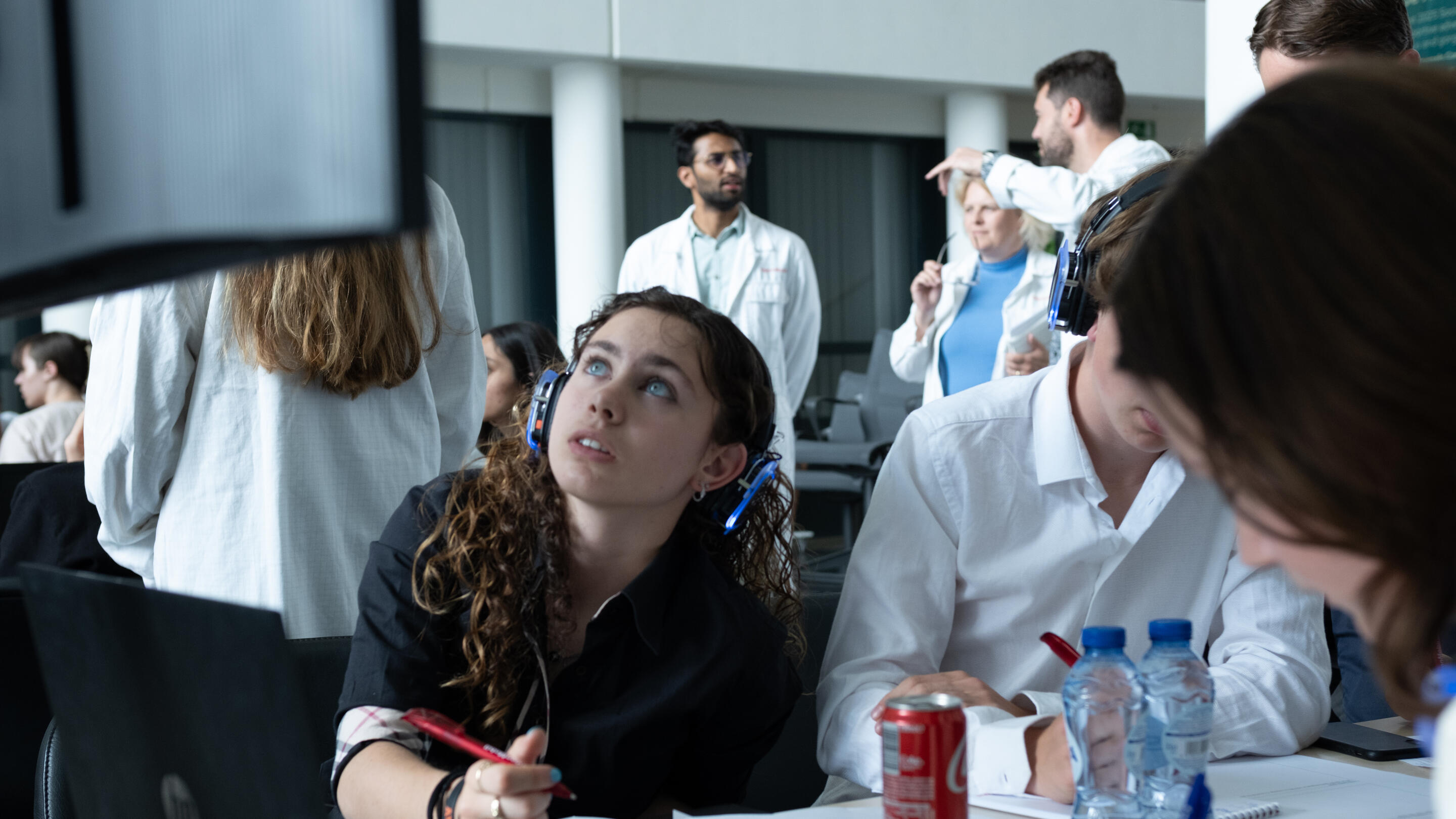
This year’s task was to explore how mechanical and chemical recycling might be used together to improve plastic waste processing. The challenge featured a gamification element, with the students approaching their task in an immersive virtual setting that included quizzes, points, and a game master to offer support.
“It’s a very hands-on, practical experience,” Diana Filip, Deputy CEO & Chief Development Officer, JA Europe, said of the Sci-Tech Challenge. “The students really get to see what skills are needed for a particular job, which is something they wouldn’t have had the chance to learn just from school.”
The teams presented persuasive and inspiring ideas. One concept included using friction washing, with heated water and biodegradable detergents, to help remove contaminants like food residue. Another suggestion involved applying hyperspectral imaging to automatically separate monolayer and multilayer plastic.
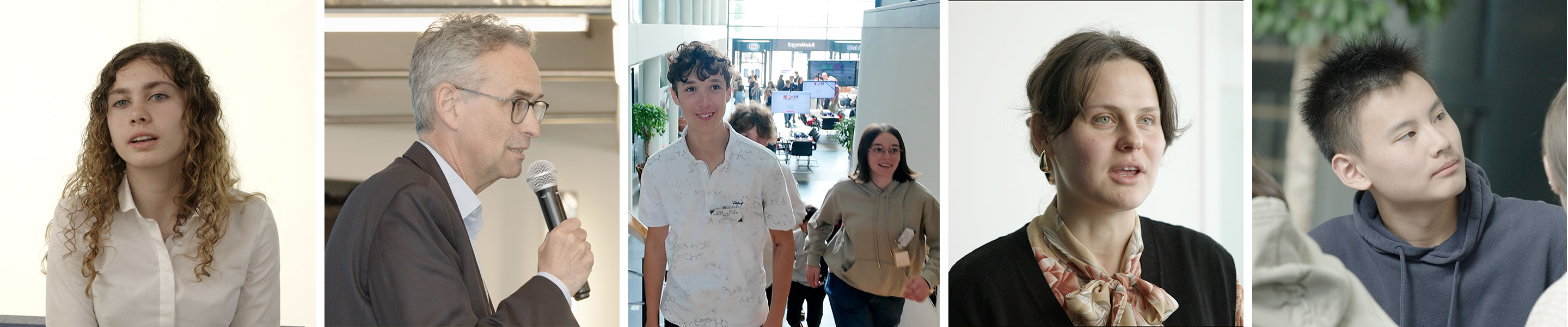
Hear from the 2025 Sci-Tech Challenge participants: students, teachers and ExxonMobil and JA Europe volunteers.
The team behind this idea proposed that monolayer plastic products could be sent for mechanical recycling, while multilayer products might benefit from chemical recycling technologies as they’re harder to recycle mechanically.
Ultimately, there could only be one winner. The concept from the winning team focused on how mechanical and chemical recycling might be combined into a single process that could, in theory, help manage a wider range of plastic.
“I think other students should definitely try the Sci-Tech Challenge,” said Panna Brezovszky from Hungary. “If your solution is good enough and you’re confident in your idea, then you can be very successful. And it’s a really great experience.”
At the end of the two days, participants had shared many fascinating and creative ideas for how to tackle plastic waste. “The Sci-Tech Challenge is very exciting,” said Philippe. “It really equips the next generation with the tools they need to address some of our most important challenges.”
All student proposals shared during the Sci-Tech Challenge were conceptual and educational in nature. They may not reflect current industrial processes or policies and should not be interpreted as technical recommendations or endorsements.
Sign up to our Energy Factor Europe newsletter to learn more about our commitment to STEM education.
European region
Latest news and information about the European region
Explore more
Supporting STEM: Celebrating 15 years of the Sci-Tech Challenge
News
•
3 min read
• Jan. 30, 2025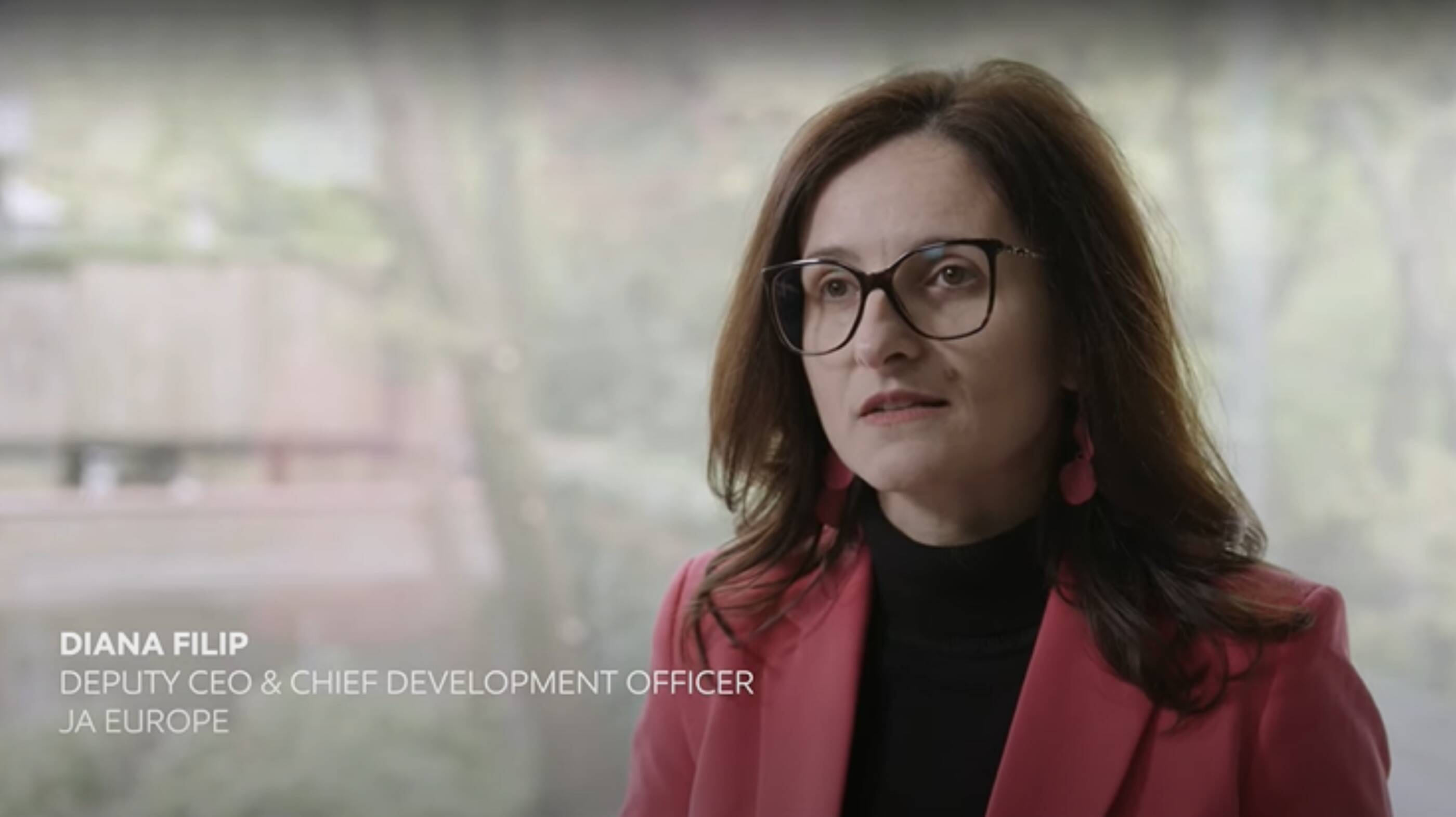
The students using STEM to enable the energy transition
News
•
2 min read
• June 28, 2024
Challenging STEM students to make sports events more circular
Article
•
2 min read
• April 17, 2025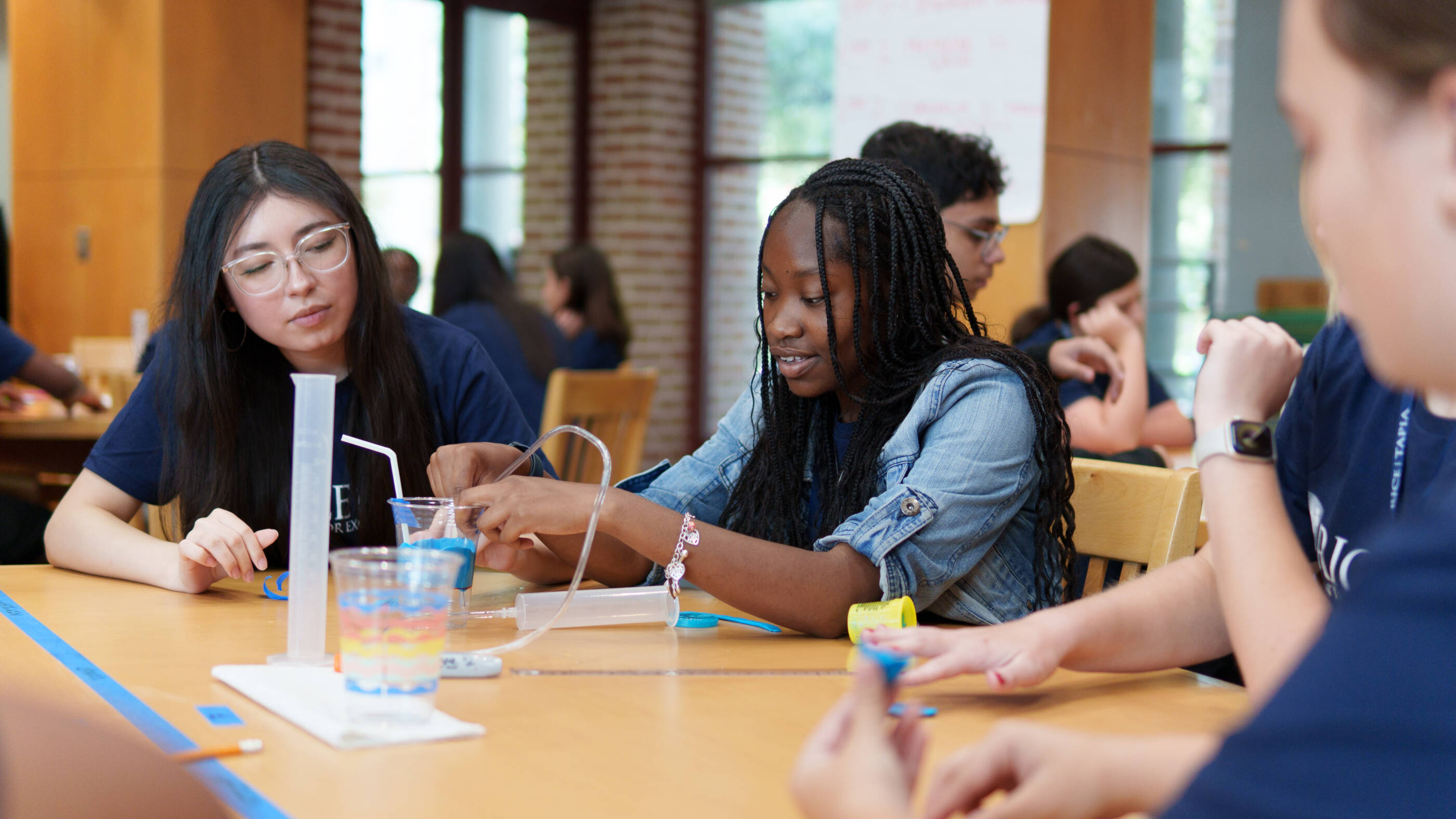
STEM newsroom
Topic

The Sci-Tech Challenge 2020 goes virtual
News
•
2 min read
• June 19, 2025
Creating a circular economy on Mars
News
•
4 min read
• March 12, 2025