Article
2 min read
How are fuel prices determined in the Netherlands?
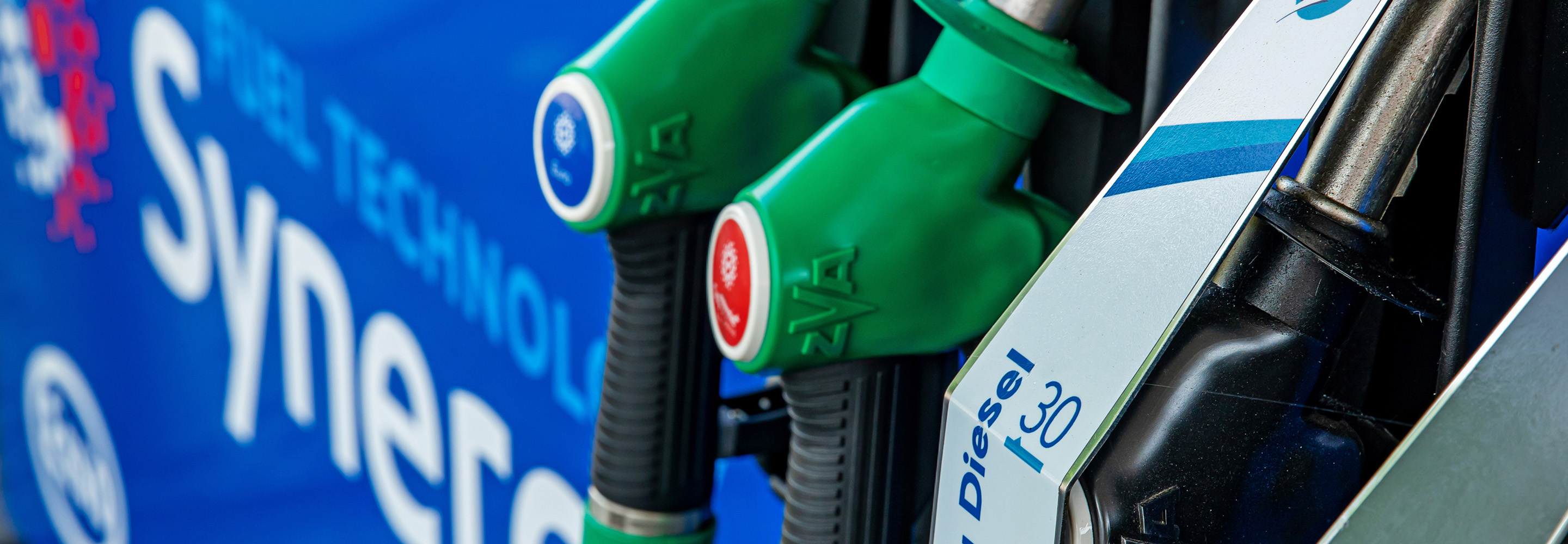
The prices of gasoline, diesel, and LPG change regularly. They include crude oil prices, refining costs, excise duties, storage costs, and VAT.
Article
2 min read
Navigate to:
Here's how fuel prices are structured:
Crude oil: Crude oil is extracted globally, pumped, and transported to refineries. There, it is heated and partially converted into fuel for cars and trucks.
Economic conditions: The price of crude oil depends on supply and demand. When demand exceeds supply, the price rises; when supply exceeds demand, the price falls. Factors such as natural disasters and armed conflicts also influence prices. The price of a liter of fuel consists of approximately one-fifth crude oil price.
Strategic reserves: Processing oil in refineries and storing it incurs costs. After refining, fuel is transported to depots and temporarily stored. Due to international agreements, minimum quantities of fuel must always be stored as strategic reserves. In a crisis, the government can rely on these reserves.
Excise duties and VAT: The largest part of the pump price consists of excise duties and VAT. Excise duty is a fixed government levy on fuel, a fixed amount in euro cents per liter, adjusted annually for inflation. VAT is also levied on excise duty.
Our presence in the Netherlands and Europe
Explore more
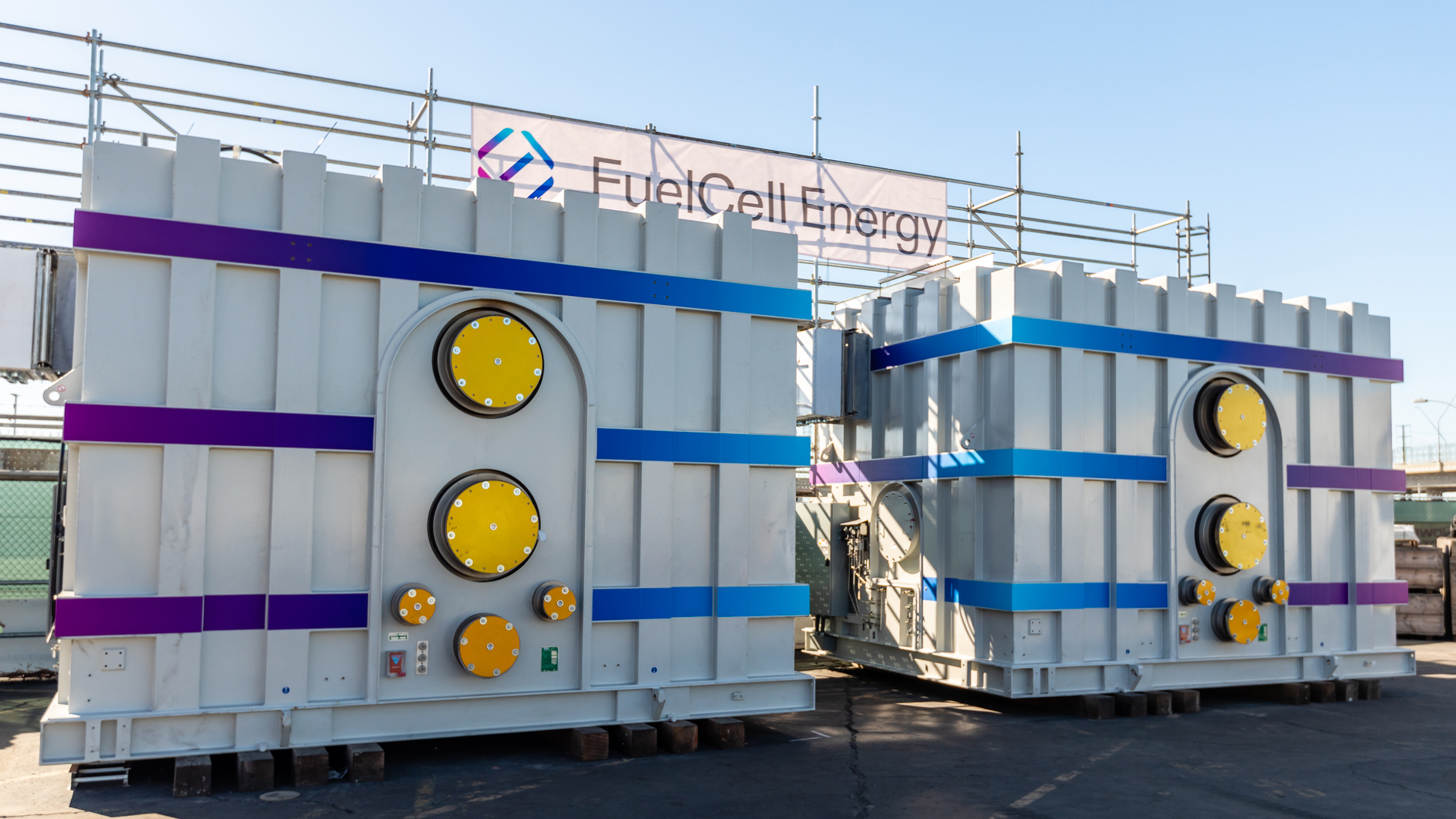
ExxonMobil to build CCS pilot plant with FuelCell Energy using carbonate fuel cell technology
News
•
2 min read
• Dec. 18, 2023
Neptune Energy, ExxonMobil, Rosewood and EBN to cooperate on L10 carbon capture and storage
News
•
2 min read
• June 20, 2022
Contact us by location
Article
•
2 min read
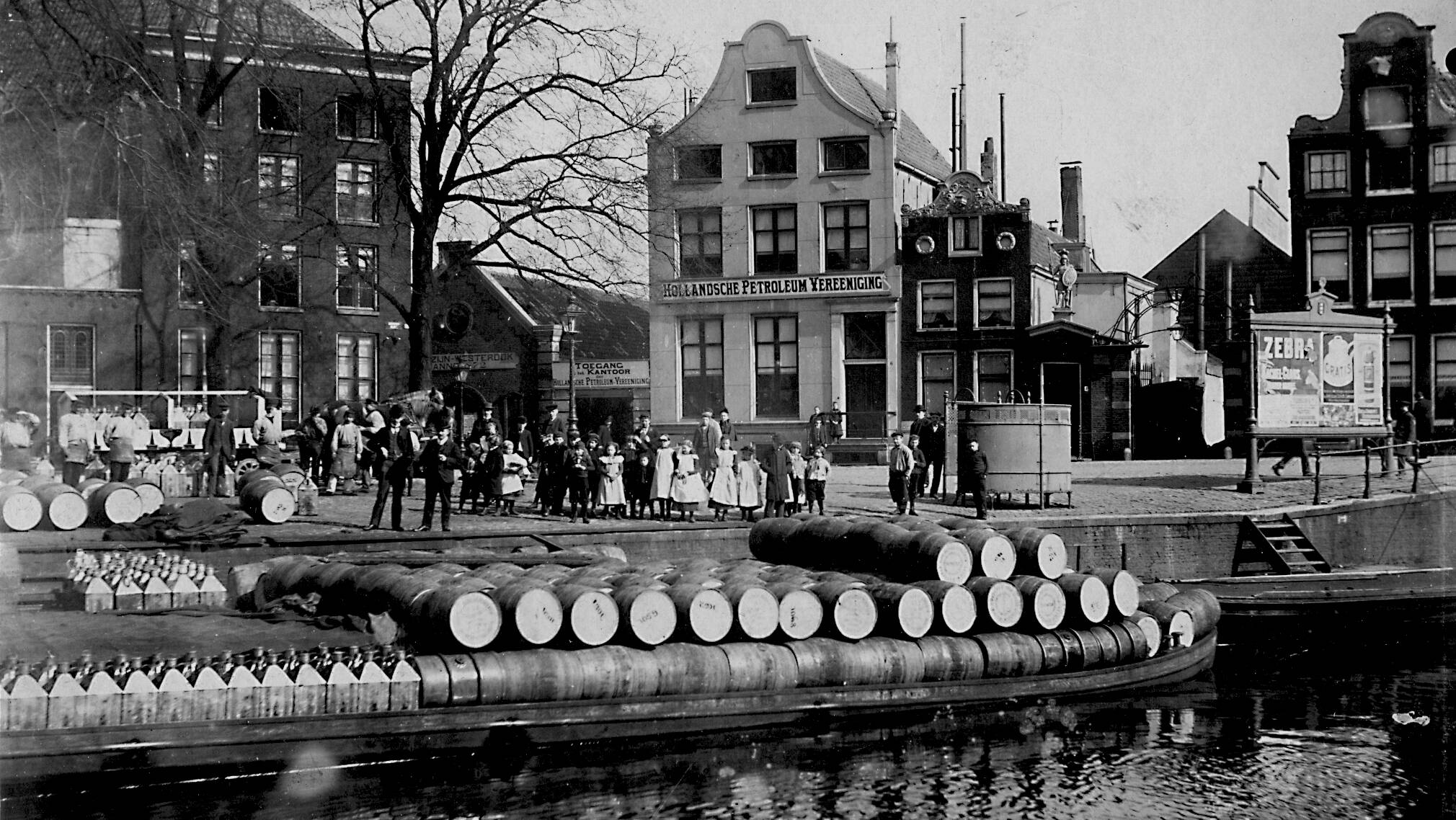
Our history
Article
•
5 min read

STEM initiatives
Article
•
4 min read

Local community efforts
Article
•
8 min read