Navigate to:
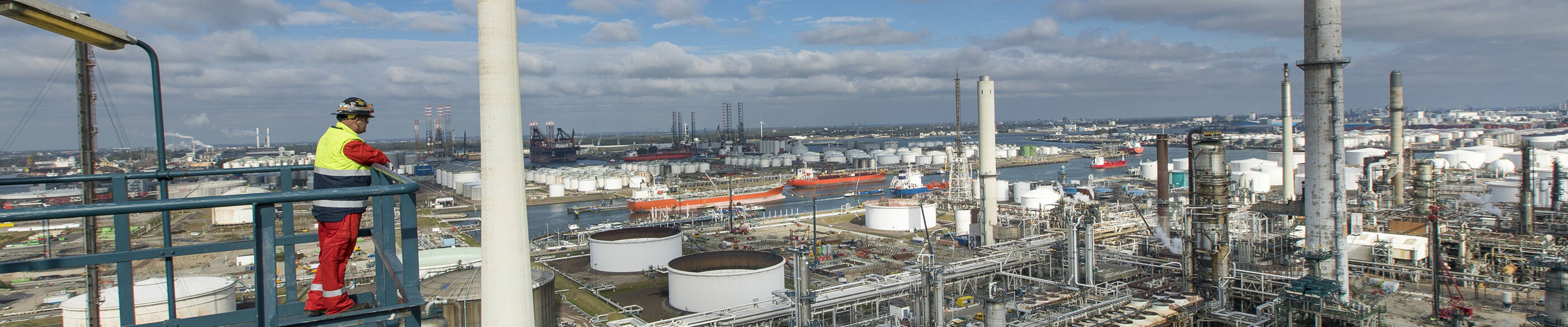
The Rotterdam refinery is one of the most energy efficient of its kind in Europe. Since being put into operation in 1960, the plant has undergone several renovations. The sizeable capital investments through the years have made the refinery ultra-efficient.
The refinery processes different grades of crude oil varying from light low-sulphur to heavy high-sulphur oil. The crude oil is supplied by ship and stored at the tank farms on the Maasvlakte and in Europoort. It is transported from the tank farms to the refinery via pipelines where it is processed into a range of products, such as LPG, kerosene and diesel. Thanks to the Flexicoker unit, the refinery has not produced any heavy fuel oil since the 1980s.
Hydrocracker expansion
The most recent update was the expansion of the hydrocracker, an investment of over a billion dollars. The new, advanced hydrocracker was commissioned in 2019. With this installation, the refinery now produces not only fuels and chemical feedstocks but also high-quality base oils (basestocks) for a new generation of lubricants.
Energy efficient
The refinery has its own cogeneration unit (Cogen), which utilizes low-calorie gas from the Flexicoker to produce electricity and steam. As a result, emissions of SOx and NOx, dust and aromatics are significantly lower than they are at other refineries. The Cogen provides most of the energy needs of the refinery complex. The new hydrocracker has increased the refinery's energy efficiency by five percent.
Greater efficiency through integration
The refinery is almost completely integrated with the neighbouring aromatics plant. The refinery supplies the basic raw materials to the aromatics plant, which, in turn, sends by-products back to the refinery for further processing. Since 2011, the refinery has also been integrated with Air Products' ultra-modern hydrogen plant, which is situated on the same site. The hydrogen plant uses residual gasses from the refinery to produce liquid hydrogen. On its turn, the Air Products plant delivers hydrogen and heat (steam) to the refinery. The hydrogen is used to desulphurize oil and to be able to produce cleaner fuels. The integration of different plants has helped optimize energy efficiency and reduced CO2 emissions.
Esso Nederland B.V.
Rotterdam Refinery
Botlekweg 121
3197 KA Rotterdam-Botlek
Havennummer 4060
The Netherlands
Tel.: +31 (10) - 493 5911
VAT number: NL.0010.27.311.B01
Company reg. no.: 27004771
Registered office: Rotterdam
Products:
- LPG
- naphtha
- kerosene
- diesel fuel
- sulfur
- petroleum cokes
- various raw materials for the chemicals industry
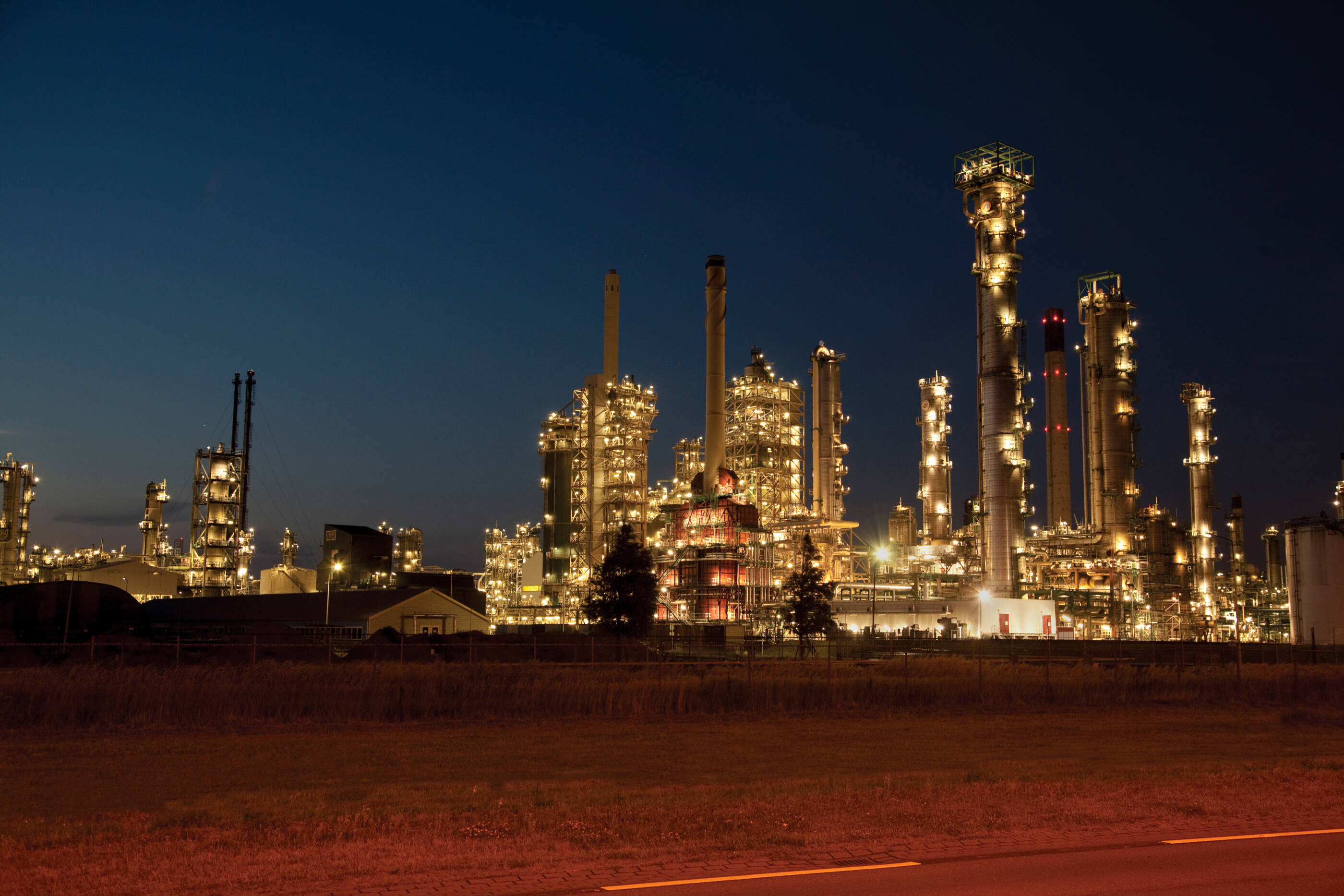
The Rotterdam Aromatics Plant is one of the largest aromatics production facilities in the world. The plant was built in 1963 next door to the refinery, from which it receives its basic raw materials. The plant is one of the few facilities in the world that can produce the entire range of aromatic hydrocarbons.
It produces pure aromatics, such as benzene, orthoxylene, paraxylene and cyclohexane. The aromatics made at the plant find their way into countless products we use every day, for example, packaging and insulation material - such as PET bottles and polystyrene foam - plastic used in electric (kitchen) appliances, car parts and sports shoes, and synthetic fibers and resins.
Capacity expansion
The paraxylene production capacity has expanded ten-fold over the years. The most recent expansion in 2009 - involving an investment of tens of millions of euros - increased the production capacity for paraxylene and benzene by 20 per cent and made the aromatics plant one of the largest paraxylene producers in the world. The expansion also led to a decrease in energy consumption per tonne product by 15 percent.
Efficiency through integration
The aromatics plant is almost completely integrated with the neighbouring refinery, from which it receives its basic raw material. The by-products from the aromatic plant's production process are in turn sent back to the refinery for further processing. Besides the more flexible supply of raw materials, integrating the plant and the refinery has led to significant energy savings and cost reductions.
ExxonMobil Chemical Holland B.V.
Rotterdam Aromatics Plant
Botlekweg 121
3197 KA Rotterdam-Botlek
Havennummer 4060
The Netherlands
Tel.: + 31 (0)10 - 493 59 11
VAT number: NL.0048.23.187.B01
Company reg. no.: 24231768
Registered office: Rotterdam
Products:
- Aromatics:
- benzene,
- paraxylene,
- orthoxylene
- Cyclohexane
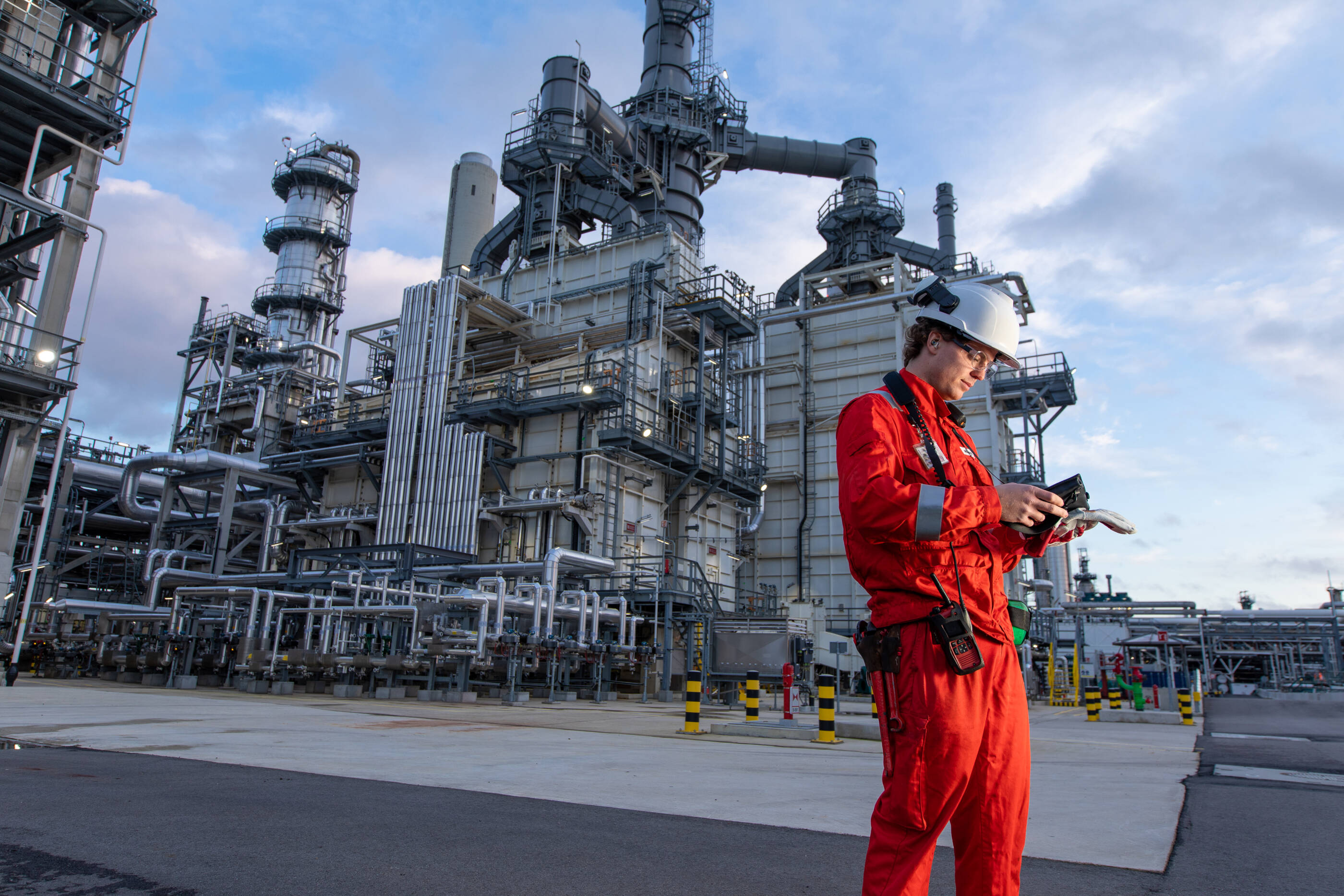
Officially called the Rotterdam Plasticizers & Intermediates Plant, the Rotterdam Oxo-alcohols Plant actually comprises three production facilities: the Rotterdam Oxo-Alcohol Plant in Europoort, the Phthalic Anhydride Plant and the Rotterdam Plasticizer Plant, which are both located in Rotterdam Botlek. It is the largest producer of plasticizers in Europe.
The three facilities of the Rotterdam Plasticizers & Intermediates Plant are closely integrated together and with the refinery. The fact that they are so far apart is the result of the various takeovers and acquisitions that have taken place in ExxonMobil's history. In terms of production, the facilities form a logical whole: oxo-alcohols and phthalic anhydride are both raw materials for plasticizers.
Plasticizers make 'hard' plastic soft and pliable. They are used to make products such as cables, textiles, wallpapering, carpeting, furniture and footwear flexible.
Efficient transport
The raw materials for oxo-alcohols are supplied by ship. Thanks to investments made in 2016 in, for example, better loading facilities, the raw materials can be supplied by larger ships and the number of sea transport operations has been halved. This has contributed to improving the plant's efficiency and environmental performance.
ExxonMobil Chemical Holland B.V.
Rotterdam Plasticizers & Intermediates Plant
Rotterdam Oxo-Alcohol Plant
Merwedeweg 21, havennummer 5625
3198 LH Europoort
Rotterdam
The Netherlands
Tel: +31 (0)10 493 3600
VAT number: NL.0048.23.187.B01
Company reg. no.: 24231768
Registered office: Rotterdam
ExxonMobil Chemical Holland B.V.
Rotterdam Plasticizers Plant
Phtalic Anhydride Plant
Welplaatweg 2
3197 KS Botlek, Rotterdam
Havennummer 4101
The Netherlands
Tel.: +31 (0)10 493 4579
VAT number: NL.0048.23.187.B01
Company reg. no.: 24231768
Registered office: Rotterdam
Products:
- Exocal alcohols
- Jayflex plasticizers
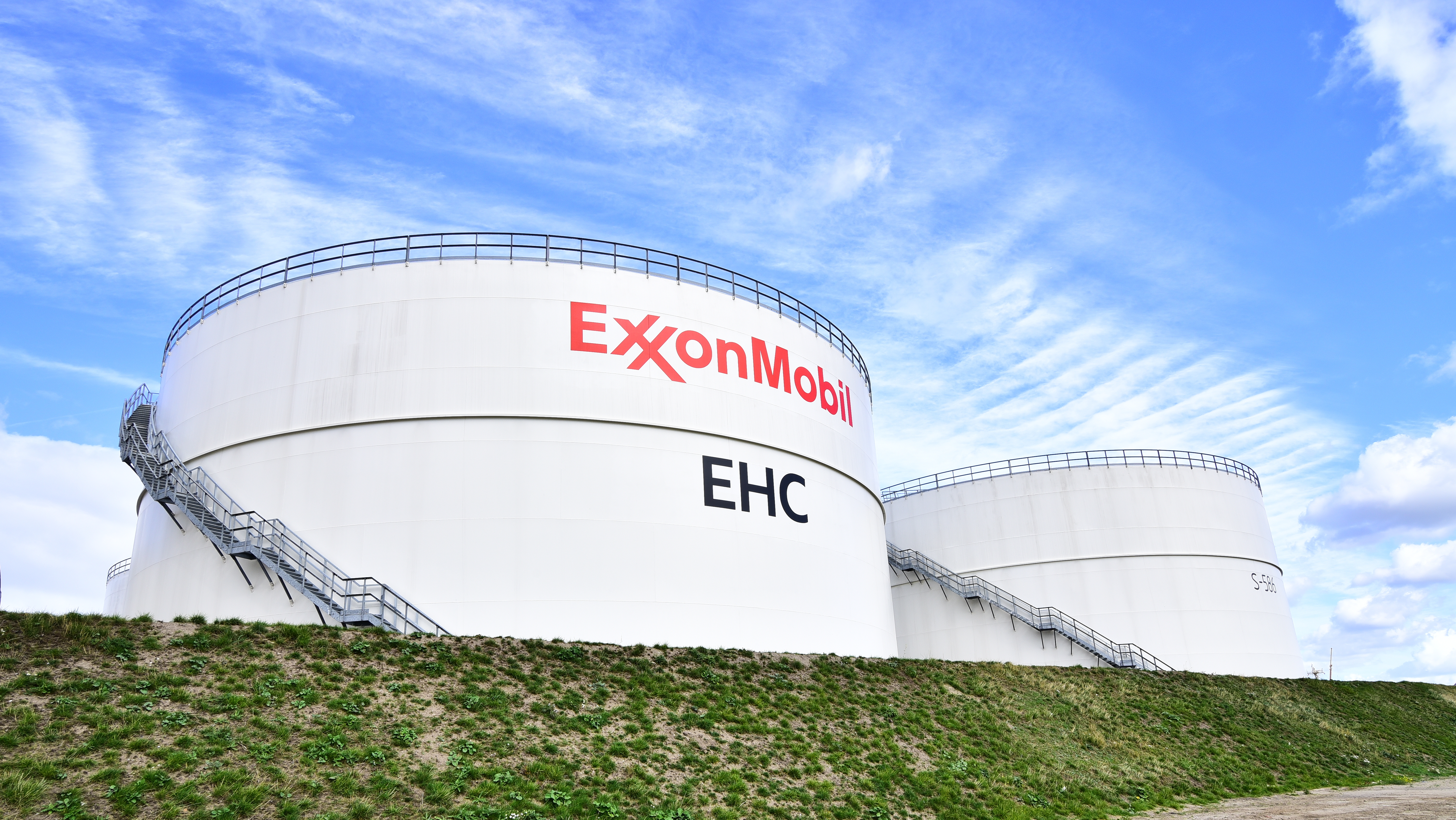
The Pernis Lubricant Plant – or Lube Oil Blending Plant – produces various types of engine oil for trucks and lubricants for industrial applications.
The plant mixes base oils and special additives to make hundreds of lubricants for widely ranging purposes. Each lubricant has its own specifications and preparation method. The products vary from high-viscosity engine oil to ultra-fine lubricants for wind turbines. All the products are subjected to extensive quality assurance testing in the plant's laboratory. The Pernis Lube Oil Blending Plant only makes mineral-oil products; the synthetic lubricants for customers in the Benelux are imported from ExxonMobil plants in France and Finland.
The lubricants are transported via pipelines to inland waterway barges or tanker trucks, or they are stored in the warehouse in barrels and cans before they are collected.
ExxonMobil Lube Oil Blending Plant
Butaanweg 161
3196 KC Pernis
Havennummer 3018
Postbus 160
3190 AD Hoogvliet
The Netherlands
Tel.: +31 (0)10 - 496 1000
VAT number: NL.0010.27.311.B01
Company reg. no.: 27004771
Registered office:Rotterdam
Products:
Various lubricants for:
- general industry, for example, Mobilgears, Spartan's, Teresstic, Nuto, DTE 20, Vacuoline, Mobil SHC, Mobilgrease;
- truck engines, for example, Mobil 1, Esso Ultra, Delvac;
- shipping, for example, Mobilgard.
Our presence in the Netherlands and Europe
Explore more
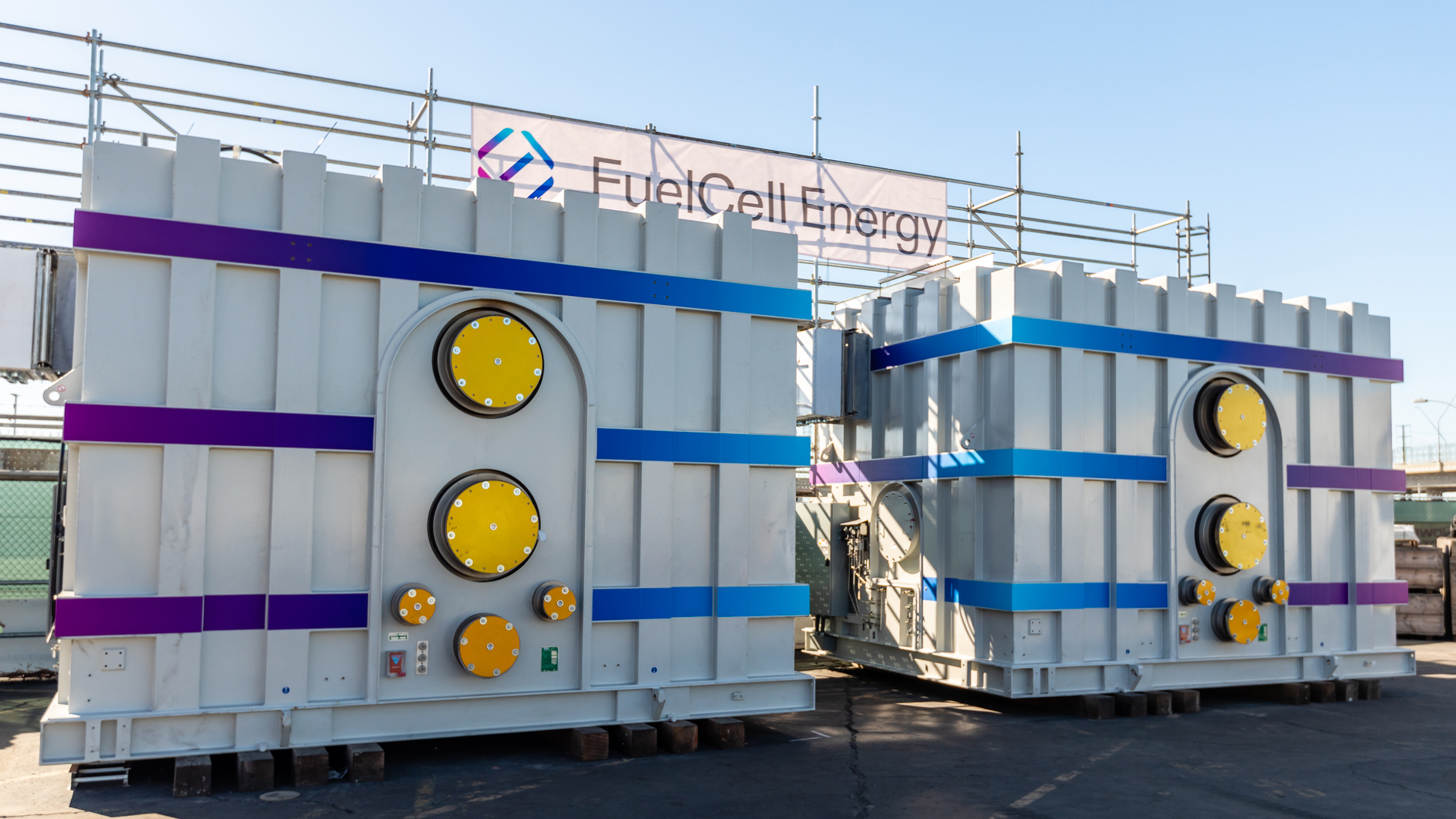
ExxonMobil to build CCS pilot plant with FuelCell Energy using carbonate fuel cell technology
News
•
2 min read
• Dec. 18, 2023
Neptune Energy, ExxonMobil, Rosewood and EBN to cooperate on L10 carbon capture and storage
News
•
2 min read
• June 20, 2022
How are fuel prices determined in the Netherlands?
Article
•
2 min read

Contact us by location
Article
•
2 min read
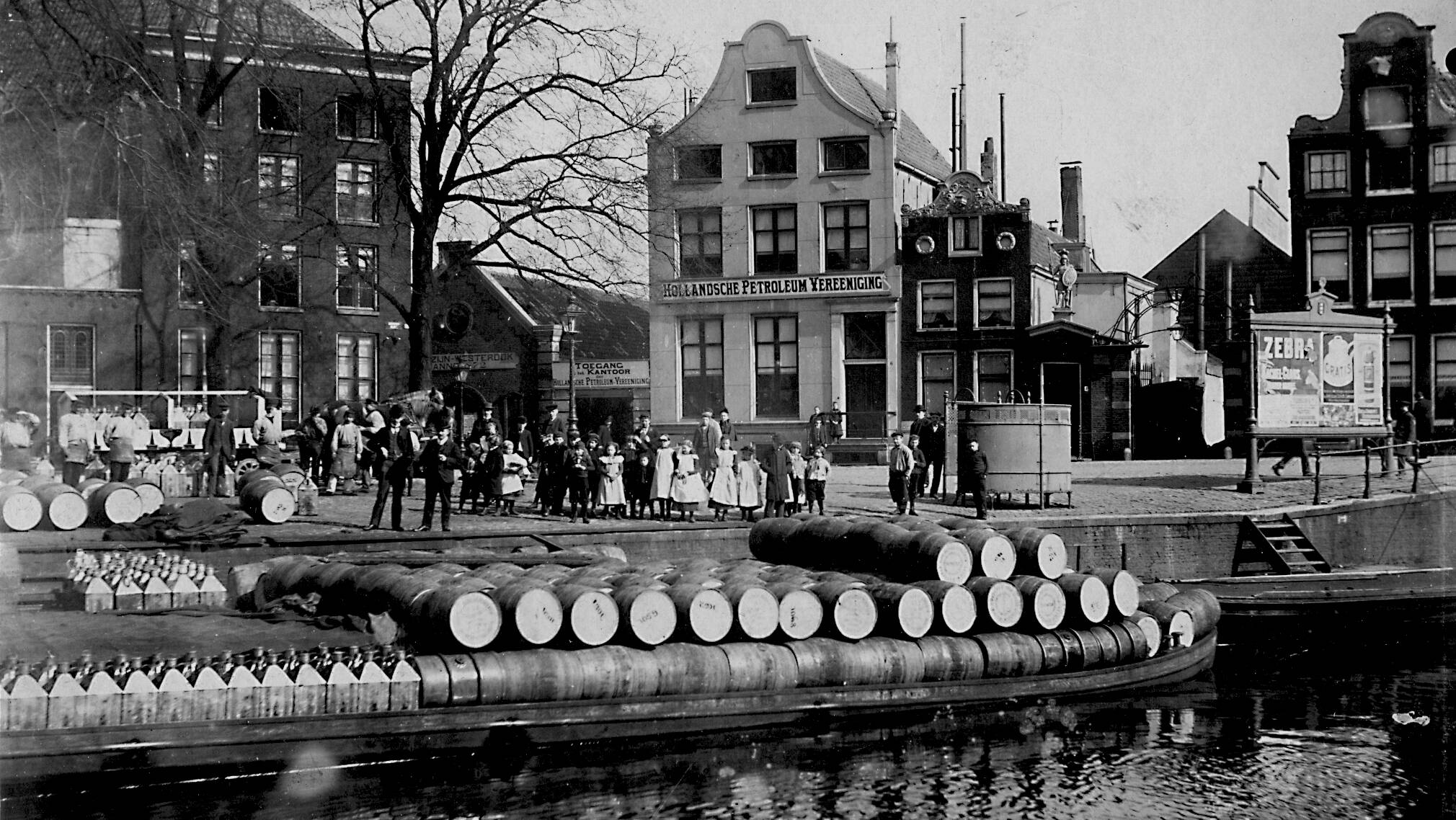
Our history
Article
•
5 min read

STEM initiatives
Article
•
4 min read