News
3 min read
• Aug. 20, 2026First-of-its-kind tech strengthening Indonesia’s oil resilience future
- We operate the Banyu Urip project, one of Indonesia’s major oil fields, which produces nearly a third of the nation’s oil output.
- We are using Dynamic Matrix Control technology to ensure Indonesian oil production remains consistent and high quality.
- This is in addition to other advanced technologies helping to unlock more oil underground and increase overall production.
News
3 min read
• Aug. 20, 2026Navigate to:
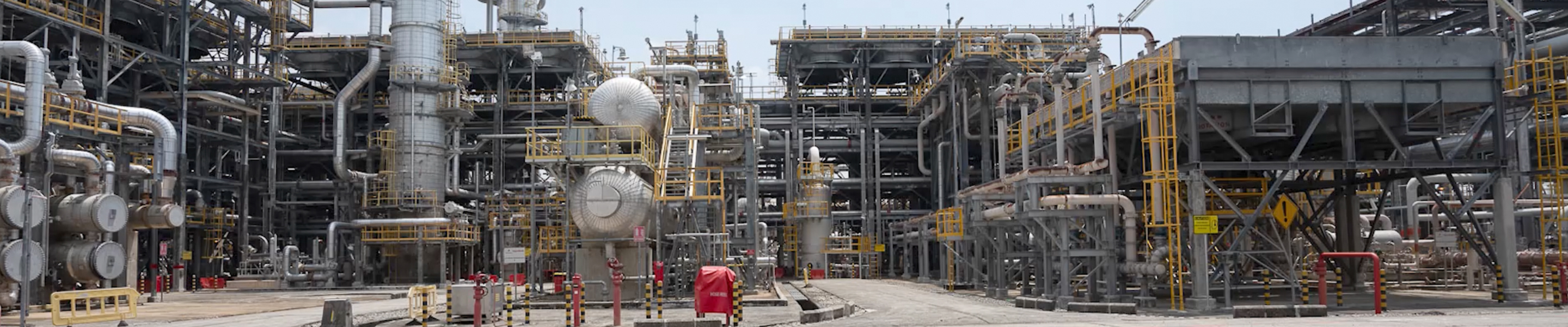
We’re ensuring production quality at one of Indonesia’s major oil fields, Banyu Urip, using first-of-its-kind technology to get every bit of energy the nation needs, with maximum efficiency.
Banyu Urip is the main producing field of the massive Cepu Block, which accounts for almost a third of Indonesia’s oil output. Since operations began at Cepu in 2009, the block has produced more than 700 million barrels – almost double its original 450 million target – and has contributed over US$37 billion, or roughly Rp 623 trillion, to Indonesia’s economy.
But after nearly 17 years of producing crude for Indonesia, this mature field’s natural potential has begun to decline. To help ensure Indonesia’s energy self-reliance, we’ve been implementing different technologies to extend the life of Banyu Urip.
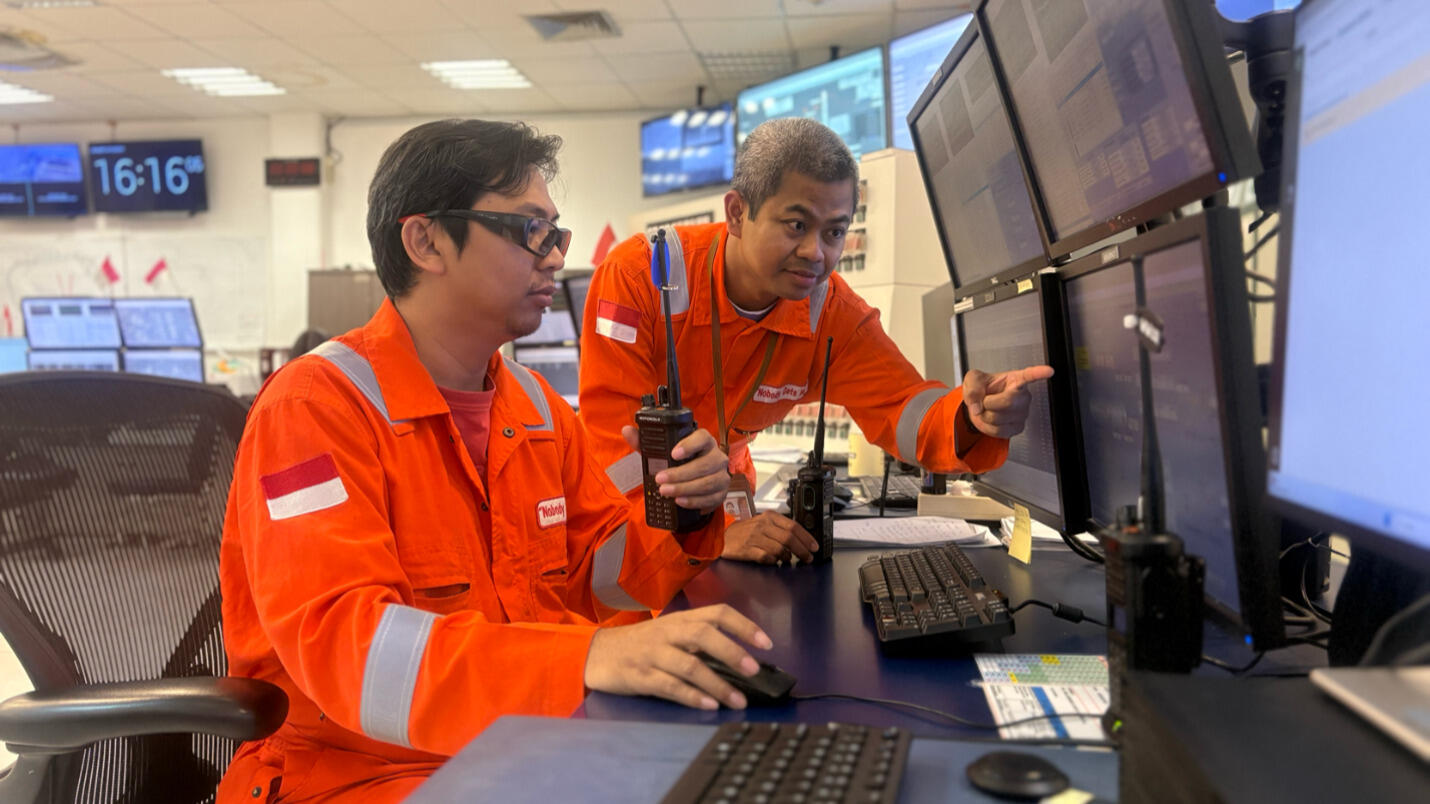
As part of this upgrade, we’ve implemented Dynamic Matrix Control (DMC) as a key technology to support safe, efficient operations and maximize production.
With every barrel of oil produced, the Central Processing Facility (CPF) encounters a mixture of gas and water. As conditions change, operators monitor and adjust the process to keep production running smoothly. As this mix reaches a constraint level, alarms are triggered and operators must intervene to balance the ratio manually. This limited the facility’s ability to respond quickly to changing conditions, meaning production potential wasn’t always fully optimized.
The DMC solves this by predicting how the process will respond to changing conditions before alarms are triggered. Operating 24/7, it forecasts upcoming adjustments ahead of time, helping operators to make the right decisions.
Using real-time data and advanced analytics to predict process behavior, DMC automatically adjust operating parameters to keep the process within its target ranges. This enables more stable production, reduces fluctuations, and improves control over fluid composition—balancing oil, gas, and water more effectively while maintaining safe and efficient operations.
How Dynamic Matrix Control works (0:42).
This was Indonesia’s first full-scale implementation of DMC technology in the upstream oil and gas sector. It demonstrates the unique value of ExxonMobil’s global scale and integration: by leveraging decades of worldwide experience, standardized control system architecture, and deep technical expertise, we successfully deployed a solution that would have been impossible to implement independently.
The DMC is not the only technology we’re using to ensure more energy flows at the site, we’re also deploying Low Acid Dosage (LDA) and Gas Shut Off (GSO) to unlock more oil.
LDA involves injecting small amounts of fluid into rocks to help improve oil flow paths, while GSO works to block unwanted gas and water from entering the well, ensuring that primarily oil is recovered.
At Banyu Urip, we’re expanding the life of the operation and supporting it with the latest technology to overcome the typical challenges of a mature oil field – ensuring Indonesia has reliable, domestic energy now and into the future.
Indonesia
Explore more

From classrooms to careers: empowering Indonesia's youth with STEM
News
•
3 min read
• April 16, 2026
From potential to power: Unlocking Indonesia’s energy future
Article
•
3 min read
• March 4, 2026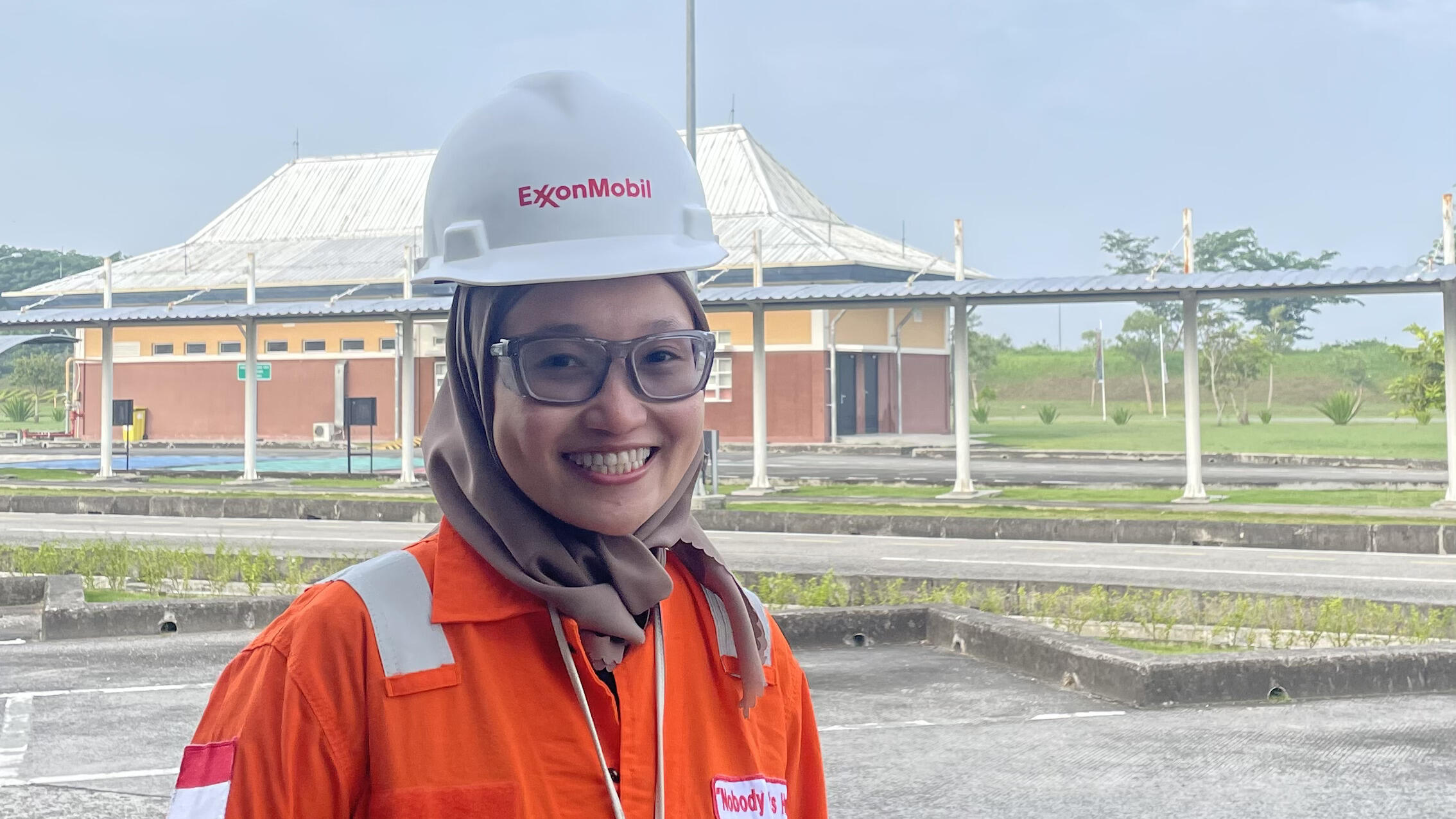
Balance doesn’t mean perfect: ExxonMobil engineer Ayu shares her advice for moms in STEM
Article
•
4 min read
• March 3, 2026
Two decades of supporting Indonesia’s energy resilience
Article
•
2 min read
• Jan. 28, 2026
How we become Indonesian communities’ partner of growth
Article
•
4 min read
• Jan. 14, 2026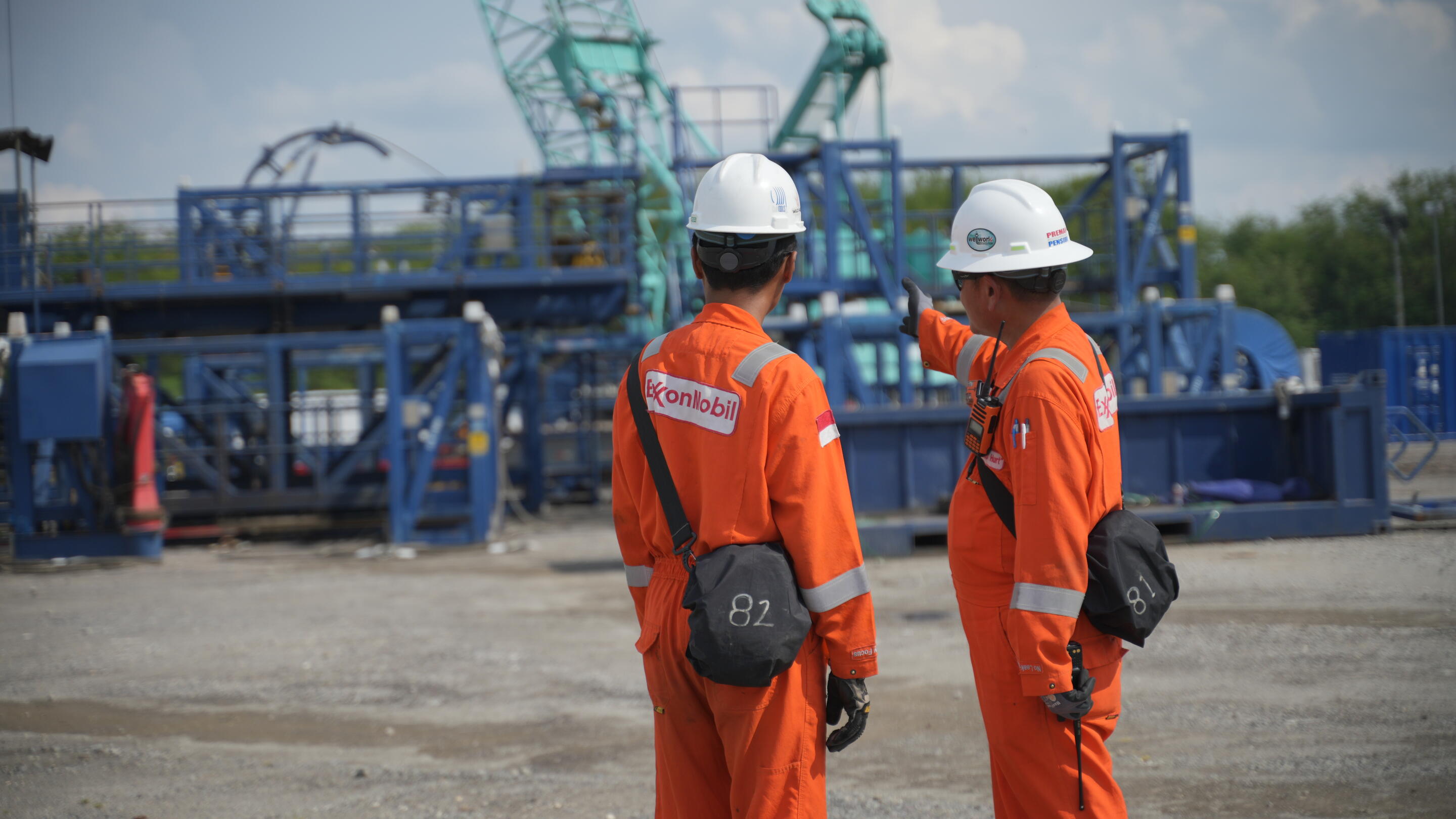
Together, unlocking Indonesia’s energy potential
News
•
3 min read
• Dec. 4, 2025