Article
4 min read
• Aug. 21, 2026Together for zero pellet loss
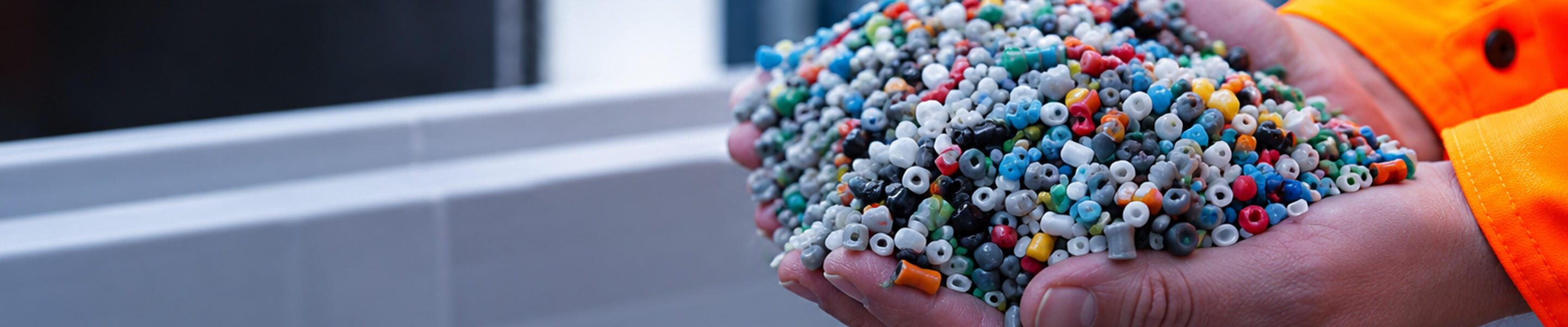
- Pellets are the building blocks of many plastic products.
- Operation Clean Sweep (OCS) is an industry-led programme aimed at preventing plastic pellet loss to the environment during the manufacturing process.
- ExxonMobil has put in place measures intended to avoid losses at key steps of the process in their facilities.
Article
4 min read
• Aug. 21, 2026Navigate to:
Plastics have many benefits. Plastic products help preserve food, protect against disease, and are used in medical devices. They can also help lower emissions from transport by enabling lighter and more efficient vehicles.
But plastic pellets do not belong in the environment. That is why we take steps to prevent loss at every step of the pellet lifecycle, from design to production. We're also actively involved in enhancing plastic recyclability and supporting advancements in waste recovery technology.
When it comes to their manufacturing process, ExxonMobil is actively involved in preventing the loss of pellets, one of the building blocks of plastics products.
Here is how
Plastics have many benefits [1:20].
Operation Clean Sweep (OCS)
Operation Clean Sweep is a global industry-led programme aimed at preventing pellet loss into the environment, during the manufacturing process.
As part of OCS Europe requirements, we apply a risk management approach. We first identify exposure areas and then determine the appropriate prevention and control measures.
Our production facilities in Belgium were one of the first to become OCS Europe certified by independent verification.
Here are three areas where we've implemented measures to avoid pellet loss and be a responsible plastic pellet producer.
Chapter 1: Production [1:27].
Plastic pellets are made of raw materials known as polymers, which in turn are derived from natural gas or crude oil. These polymers are heated and shaped into small pellets or nurdles, ready to be used in diverse processes.
While we operate within a completely closed system that minimizes pellet spill concerns, we've put additional barriers in place where there is still a risk of pellet loss.
- Inspection tanks with filtration systems catch stray pellets.
- Pellets stored in silos undergo controlled transfers through closed valve systems. Residual pellets are filtered out and collected for recycling before safe disposal of the rinse water.
- We have installed devices such as wind screens, small sewage baskets, and large pellet catchers, to prevent pellets from ending up in the environment.
Chapter 2: Packaging [1:04].
Packaging is a critical stage to support our objective towards zero pellet loss in line with the OCS program. Whether using silo trucks or bags, processes are in place to prevent spillage.
- Bulk truck filling systems employ adjustable nozzles, which adjust automatically to truck heights to avoid pellets from spilling.
- For bag packaging, sensors automatically stop the conveyor belt when pellets escape from a damaged bag.
- Any loose plastic pellets are collected in small trays at the transfer between conveyor belts.
- Our bags boast exceptional tear resistance and sealing strength, as regularly confirmed by rigorous drop tests.
- The bags are stacked onto a pallet with precision and further protected with a plastic hood for added transport security, ensuring our products arrive intact.
Chapter 3: Loading [1:27].
Load integrity during transport is a vital part of our efforts to achieve zero-pellet loss.
We have rigorous checks in place, including Operation Clean Sweep protocols and manual inspections, to make sure there is minimum risk of pellet loss.
Loading procedures require careful inspection of the trucks and cargo before and after loading.
- We remove any damaged bags we identify and take action to avoid further spillage. The bag is taken to a separate area where the material will be repacked in a new bag.
- We carry out regular inspections of the facility and supplement them with extensive and frequent clean-up activities.
- We employ sweeping machines and manual cleaning to recover spilled pellets and prevent loss to the environment.
- We also invest in state-of-the-art technology, such as a truck blowing station, to remove any remaining loose pellets from trucks before they enter the public road.
Our people, our greatest asset
In addition to these three areas, we also prioritize awareness, education and empowerment.
Through comprehensive training, regular site tours, and certifications like Operation Clean Sweep, every member of the ExxonMobil team and our onsite contractors are expected to apply the necessary pellet loss prevention measures and uphold our OCS Europe certification.
It's a responsibility we take seriously
At ExxonMobil, we recognize that sustainability is a collective effort. By spearheading initiatives like our zero-pellet loss program, we apply best practices to avoid plastic pellet loss to the environment and so contribute towards plastic pollution free environment.
Together for zero pellet loss (5:08).
Explore more

How ExxonMobil is building a future-ready workforce
News
•
5 min read
• Oct. 20, 2026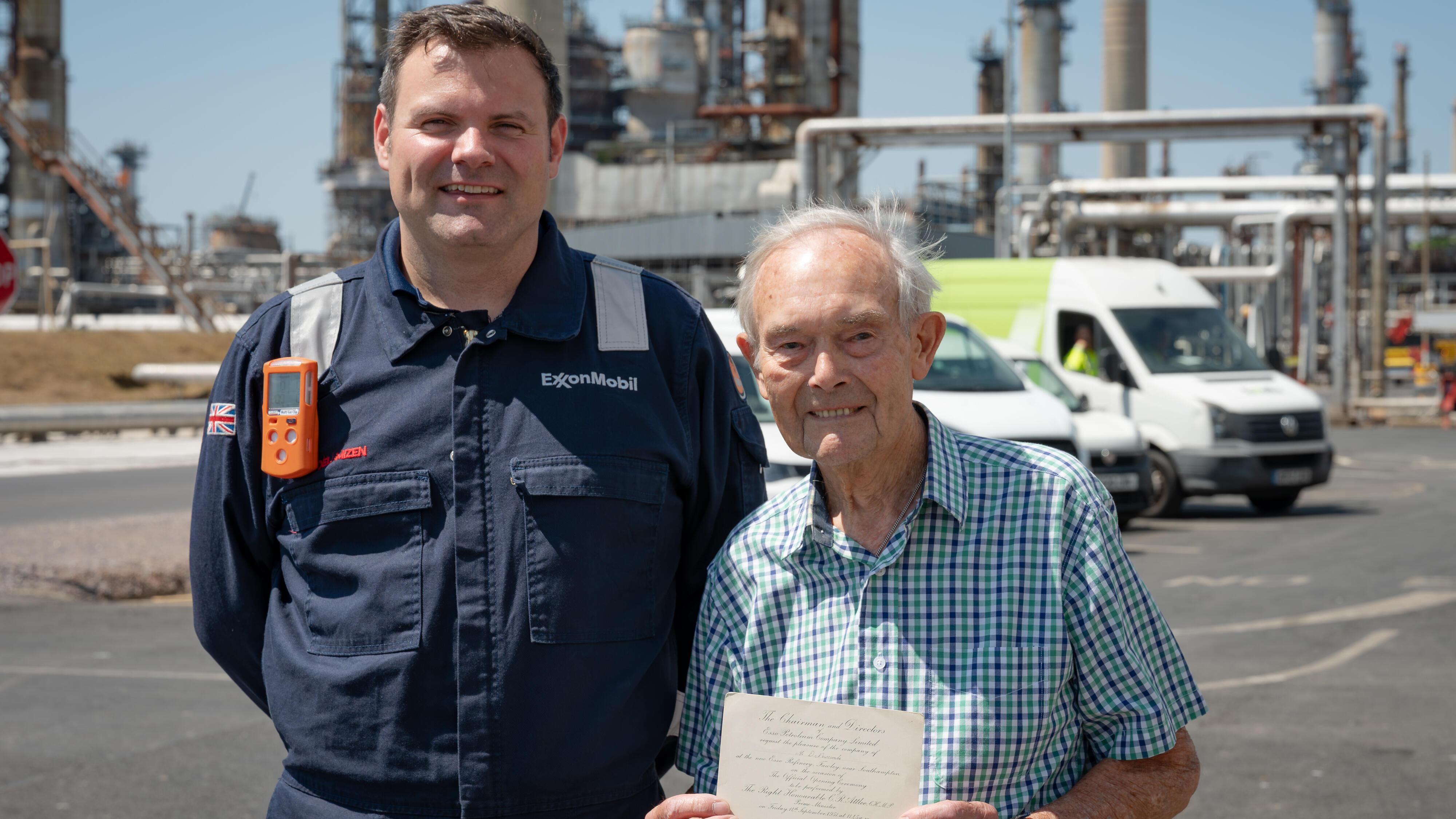
93-year-old returns to Fawley with invitation to historic 1951 opening
News
•
2 min read
• Oct. 7, 2026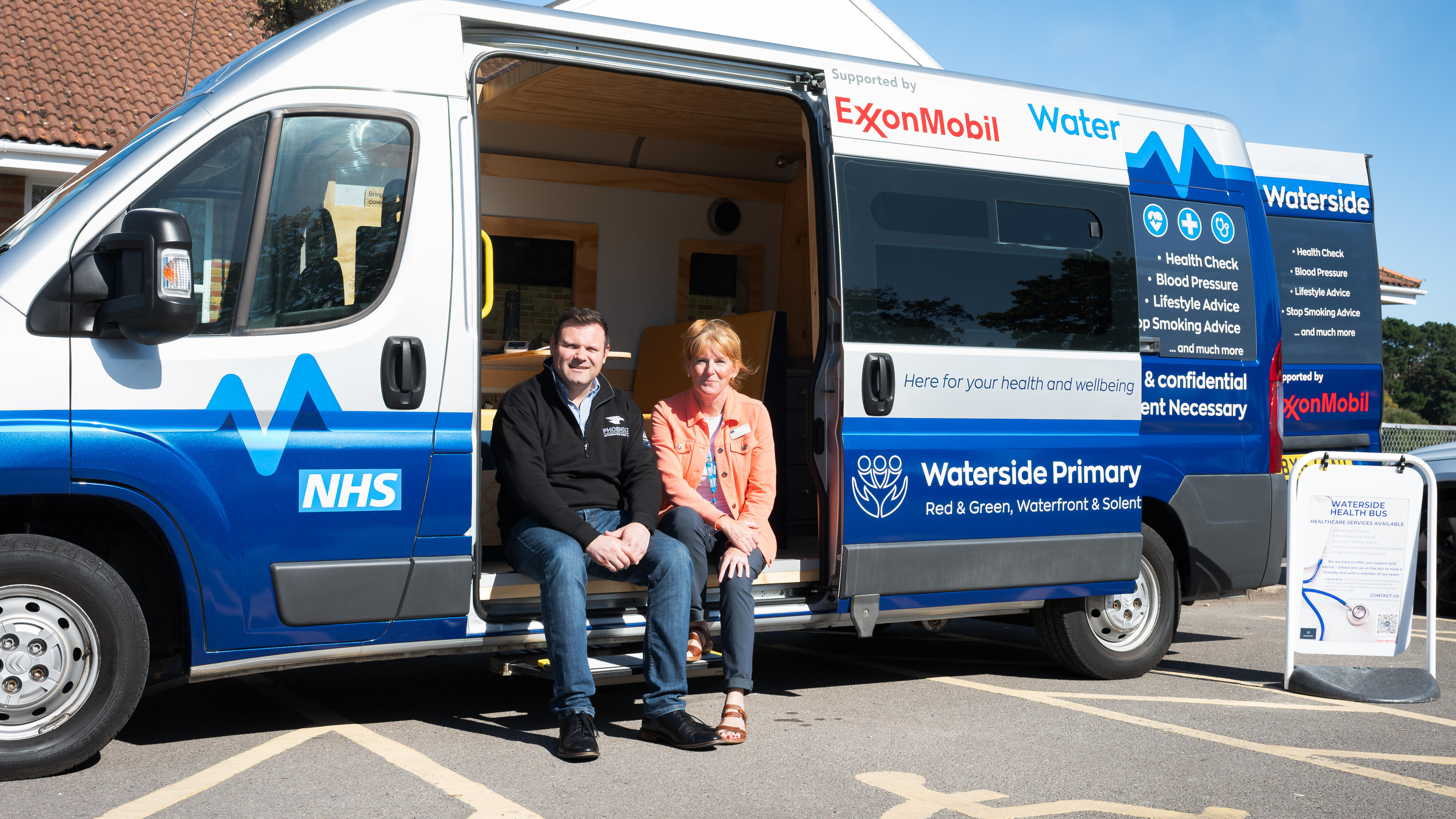
ExxonMobil Fawley funded Waterside Health Bus hits the road, bringing NHS services closer to home
News
•
2 min read
• Sept. 30, 2026
Waterside comes together for first-ever Six Villages Together Festival
News
•
2 min read
• July 30, 2026
How ExxonMobil reduced its methane emissions in Germany by 95%
News
•
3 min read
• July 22, 2026
The looming crisis putting Europe’s energy security at risk
Viewpoints
•
3 min read
• June 1, 2026