
Viewpoints
3 min read
• June 1, 2026
The looming crisis putting Europe’s energy security at risk
- New methane rules mean the EU risks losing up to 43 percent of its natural gas and up to 87 percent of its oil supply.1
- With a smaller proportion of oil and gas supplies likely to be compliant, less availability means risk of higher prices for households and businesses alike.
- The EU must allow more time to fix the issue and prevent severe market and supply disruptions.
Viewpoints
3 min read
• June 1, 2026Navigate to:
The ongoing crisis in the Strait of Hormuz has highlighted Europe’s urgent need to protect its energy security, shield consumers, and preserve industrial competitiveness.
Separate from the conflict in the Middle East, the EU is on the cusp of knowingly exacerbating its own energy crisis.
From 2027, stringent new methane rules mean the EU risks losing up to 43% of its natural gas and up to 87% of its oil supply, according to a study by Wood Mackenzie. The rules around monitoring, reporting and verification are so stringent that no country (and likely only few suppliers worldwide) will be able to fully meet the requirements in the foreseeable future.
Remember, these rules have nothing to do with lowering levels of methane, which the legislation does not demand until 2030, but are about adhering to measurement, reporting, certification and verification standards for which neither the Commission nor member states have done the work to establish in time for implementation.
With a smaller proportion of oil and gas supplies likely to be compliant, less availability means there’s a real risk this looming crisis will affect energy affordability for households and businesses alike.
Consumers will ultimately bear the burden through anticipated higher gas and/or fuel prices; Wood Mackenzie say gasoline and diesel prices could increase by 24% and 16% respectively. The European Commission knows this but appears unwilling to make the necessary changes to reduce the cost burden on its citizens.
High energy costs would further damage the competitiveness of Europe’s energy intensive industries like steel, chemicals and manufacturing – leading the bloc further down the path of additional self-inflicted deindustrialisation. Make no mistake – the risk is factories close, jobs will be lost and household costs continue to rise.
The pinch point is imminent, as many energy importers are deciding now what orders to place for 2027. The refining sector, already battling to stay competitive, is faced with the uncertainty of not just where to source from, but the prospect of severe penalties for non-compliance; up to 20% of annual turnover.
The Commission’s proposition that this will all be fixed by “guidance”, including relaxing penalties, is misguided. Leaving individual member states to decide whether and how to reduce fines for importers compounds the complexity and removes none of the risk. Penalty or not, no company wants to position itself as legally non-compliant.
I want to be clear – we fully support the EU’s ambition on methane. We’re already deploying leading-edge technology on the ground, in the air, and even in space, to mitigate, monitor, and measure.
In the U.S., our monitoring system operates 24/7 like a “smoke detector” to analyze methane emissions data from hundreds of cameras, thousands of sensors, aerial systems, and satellites. Across more than 850 sites on around 1.4 million net acres, detection is always on, using AI to continuously scan for potential leaks, and enabling a rapid response.
In Germany, we have been reporting methane emissions since1998 and have achieved methane emissions reductions of more than 95% over the past 20 years.
This year, 2026, globally we expect to achieve our 2030 target to reduce the methane intensity (versus 2016) across all operated assets by 70%-80%. We have joined the U.N. Oil and Gas Methane Partnership and we recently received the UN’s top rating under this program.
While the EU’s ambition is good, it lacks a proper impact assessment and the implementation requirements and relevant timelines are simply not viable. ExxonMobil is raising its voice because we see firsthand the economic disruption, higher prices, and lack of competitiveness that the regulation will provoke. As an operator of two of Europe’s larger and most efficient refineries, we depend on imports from more than 15 countries – only one of which may have the reporting and verification standards in place by 2027.
Simplification is critical; a “stop-the-clock” process would allow for targeted amendments to prevent severe market and supply disruptions for natural gas/LNG and crude oil.
This would have zero negative impact on industry’s methane emissions reduction efforts, which still continue at pace.
Europe must stop implementing legislation that creates confusion, complexity, and ultimately self-harm.
As the region faces its worst energy crunch in decades, its energy strategy must instead prioritise secure supply and competitive prices while ensuring that regulation supports reliability, affordability, and long-term investment.
European region
Latest news and information about the European region
Explore more

How ExxonMobil is building a future-ready workforce
News
•
5 min read
• Oct. 20, 2026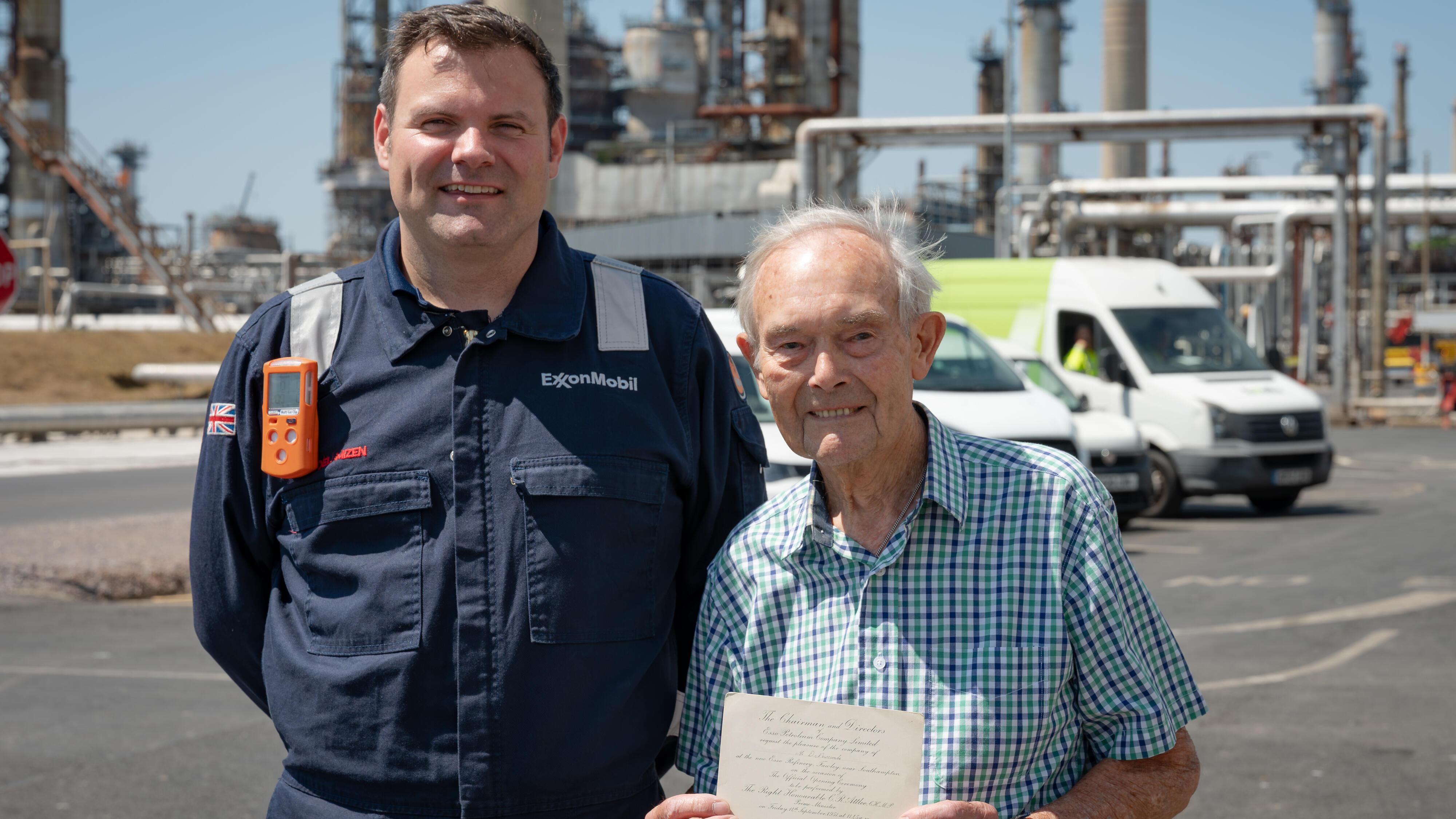
93-year-old returns to Fawley with invitation to historic 1951 opening
News
•
2 min read
• Oct. 7, 2026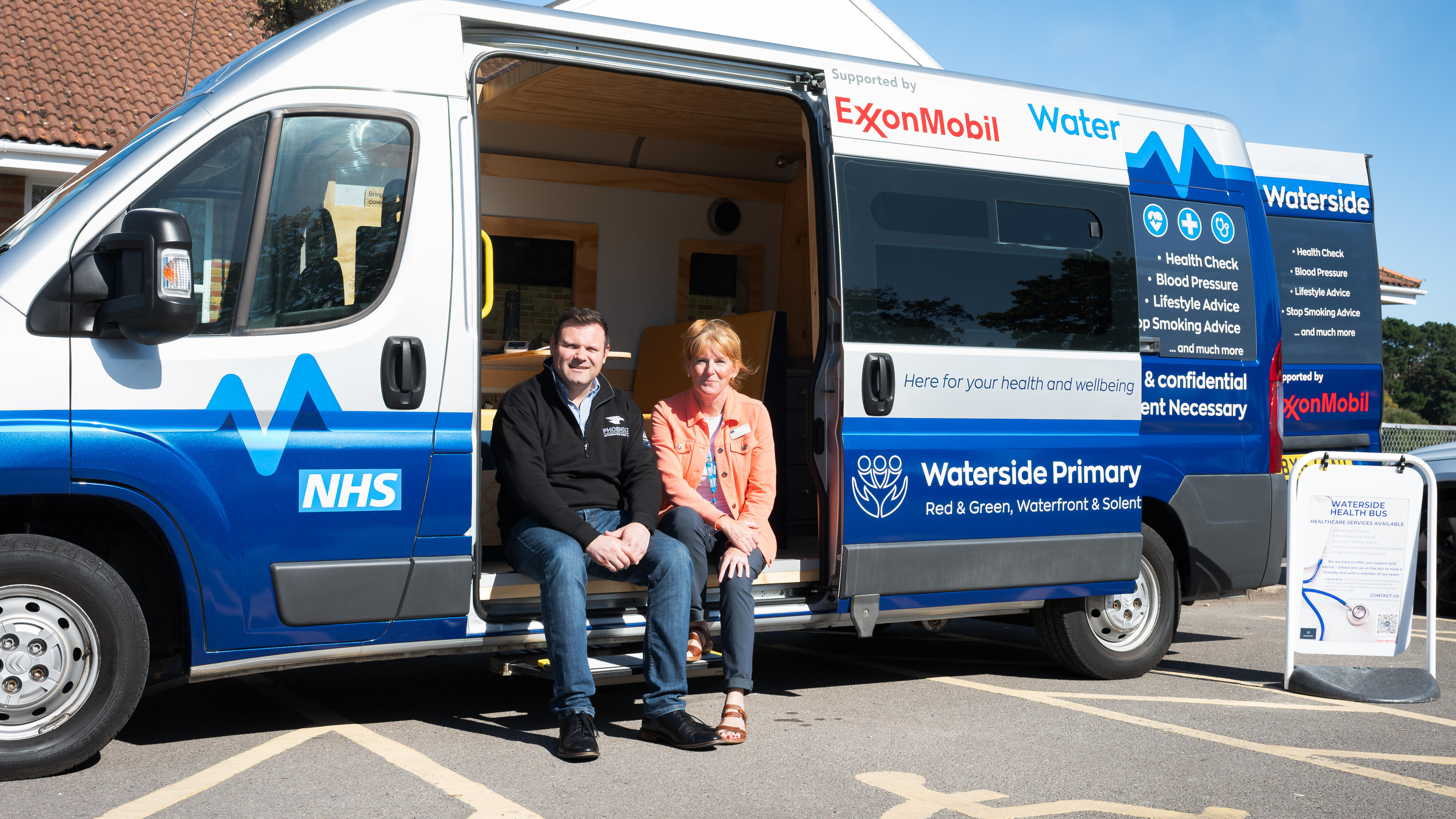
ExxonMobil Fawley funded Waterside Health Bus hits the road, bringing NHS services closer to home
News
•
2 min read
• Sept. 30, 2026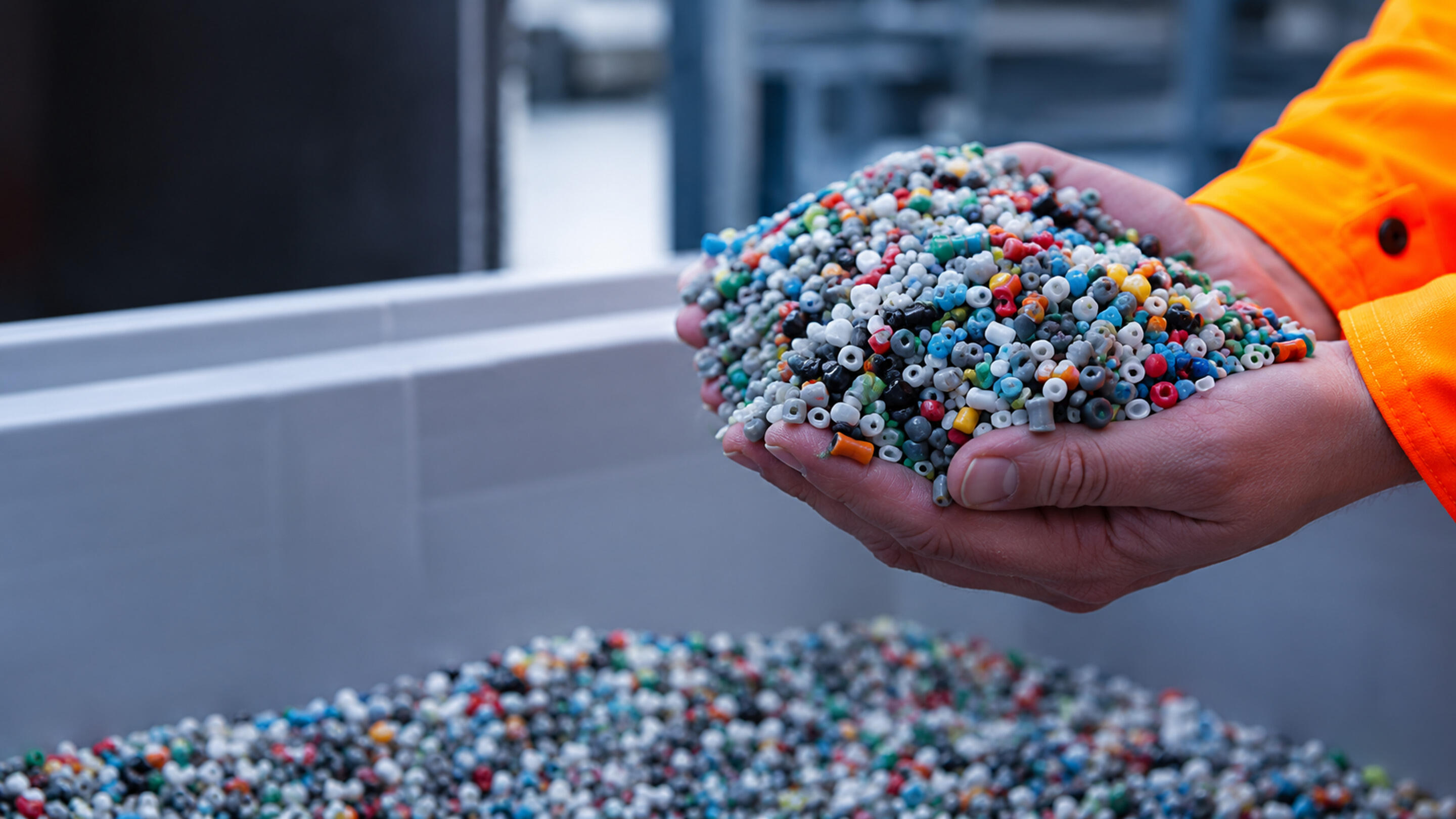
Together for zero pellet loss
Article
•
4 min read
• Aug. 21, 2026
Waterside comes together for first-ever Six Villages Together Festival
News
•
2 min read
• July 30, 2026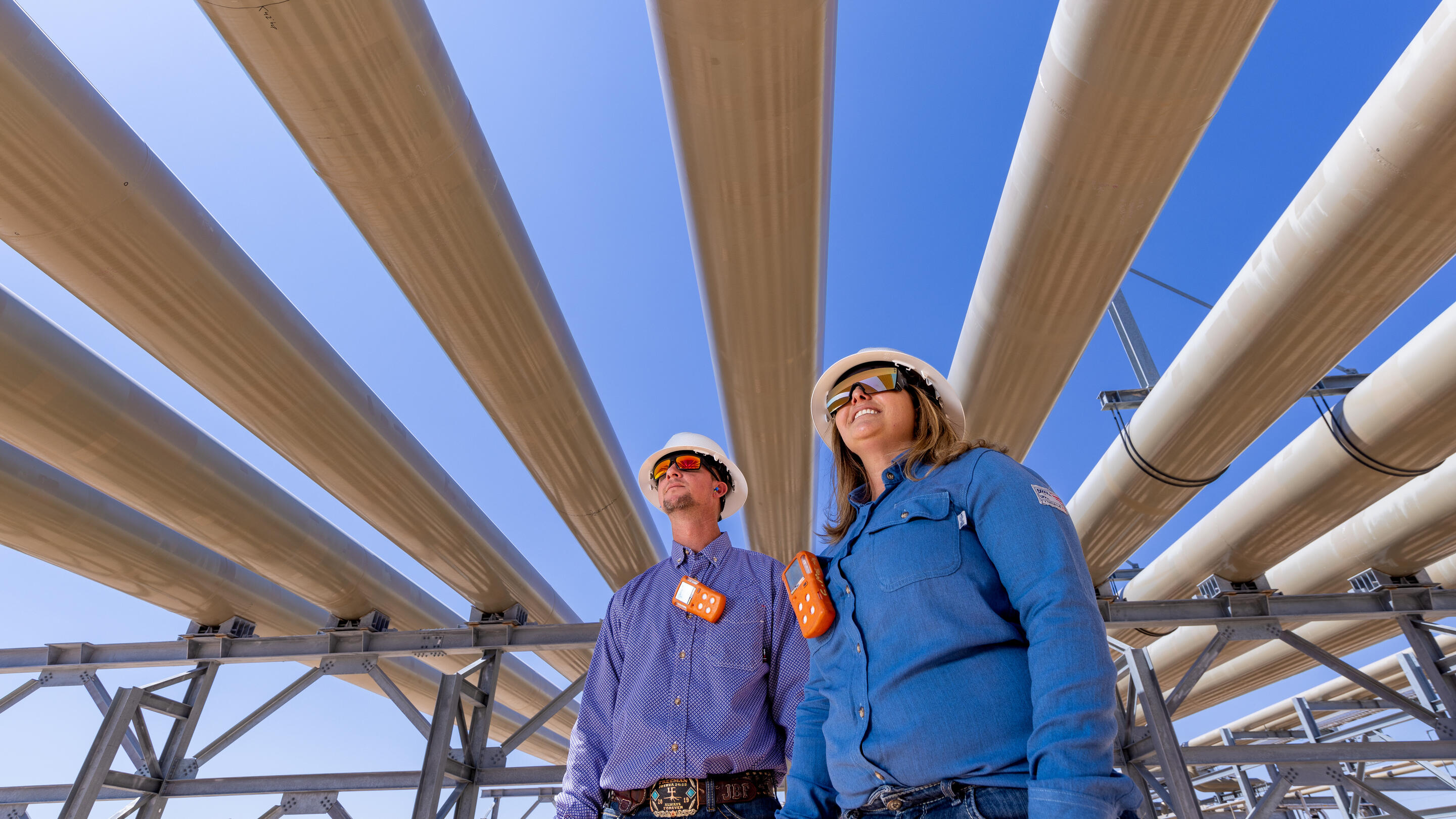
How ExxonMobil reduced its methane emissions in Germany by 95%
News
•
3 min read
• July 22, 2026FOOTNOTES:
- International Association of Oil & Gas Producers: https://iogpeurope.org/projects/the-impact-of-the-eu-methane-regulation/