
Pathways to scaling today’s advanced recycling technologies
Navigate to:
Plastics make modern life possible – but we need to enable more technologies to deal with plastic waste.
Mechanical recycling is a reliable technology to help reduce plastic waste. But today, less than 10% of plastics are recycled.1 We can do more. With advanced recycling, we can help increase the amount and types of plastic that are recycled and divert more plastic from landfills and the environment.
Advanced recycling is the result of decades of innovation and investment in refining and chemical processing technologies. Today, it is creating a path for more plastics to be transformed into a range of high-value products that our society needs. Advanced recycling, coupled with mechanical recycling, can help meet a growing demand from consumers for more recycling solutions.
Unfortunately, the policy environment has not kept pace to allow these technological solutions to scale quickly and affordably. Inconsistent recycling definitions, outdated frameworks, and fragmented state laws are creating headwinds for private sector investment and limiting the full impact of advanced recycling technologies in the United States.
The solution:
We need to modernize U.S. recycling statutes to recognize innovation. This can help unleash the full potential of advanced recycling on the U.S. economy.
To do this, policymakers should:
- Establish a clear and enforceable federal standard for recycled content claims and recycling claims, ensuring legal certainty and consumer trust.
- Modernize federal laws and regulations to officially recognize advanced recycling as a legitimate form of recycling.
- Create a consistent national framework for American businesses marketing recycled content.
- Ensure alignment across federal agencies, including the FTC’s Green Guides and EPA definitions, to provide businesses with a workable, science-based framework for making recycled content and recycling claims.
- Recognize America’s leadership by advancing flexible, pragmatic and technology-neutral policies that enable industry to scale solutions to the plastic waste challenge.
- Unleash the benefits of full-scale advanced recycling, which leverages existing infrastructure, maximizes the inputs that can be recycled and helps keep more plastic in the economy and out of the environment.
Advanced recycling is a viable and proven solution to help address the plastic waste challenge. Without it, future efforts to reduce plastic waste will be inadequate, less effective, and slower to deliver the environmental and economic improvements that communities need.
If policymakers provide businesses with a workable, consistent framework that drives greater investment in advanced recycling and promotes a more efficient and reliable recycling system, we can help address the plastic waste challenge at an industrial scale.
With smart policy, the U.S. can expand this technology, leading the way to reduce plastic waste, create tens of thousands of American jobs, and boost our domestic manufacturing capabilities.
Because advanced recycling means today’s waste becomes tomorrow’s resource.
Advanced Recycling
How waste today becomes value tomorrow
Explore more

Goal! Circularity progress for Houston
Viewpoints
•
3 min read
• June 25, 2026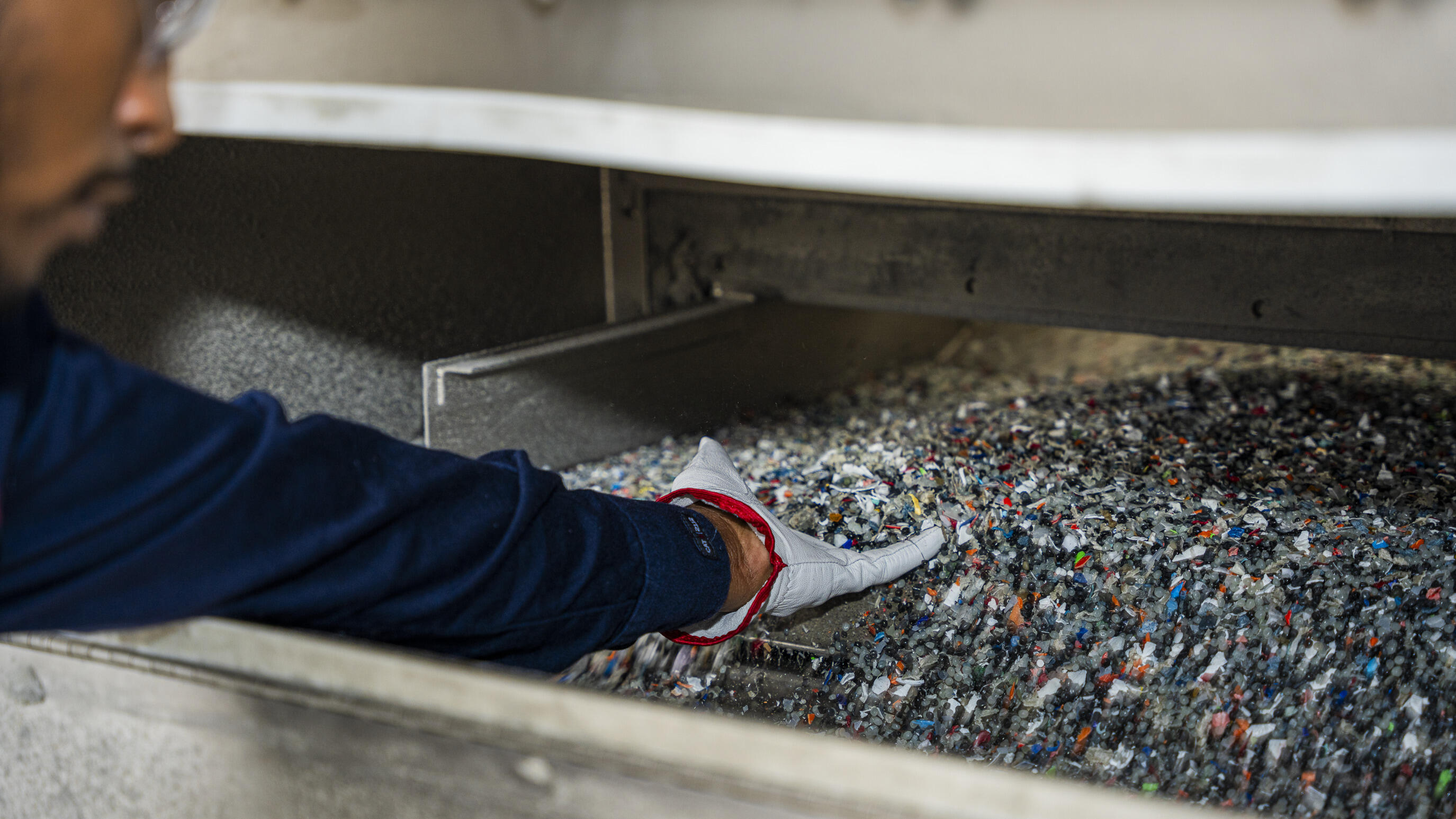
Baytown becoming one of the largest advanced recycling operations in the world
Article
•
2 min read
• Feb. 2, 2026
New research shows how popular plastic packaging compares to alternative materials
Article
•
3 min read
• Dec. 12, 2025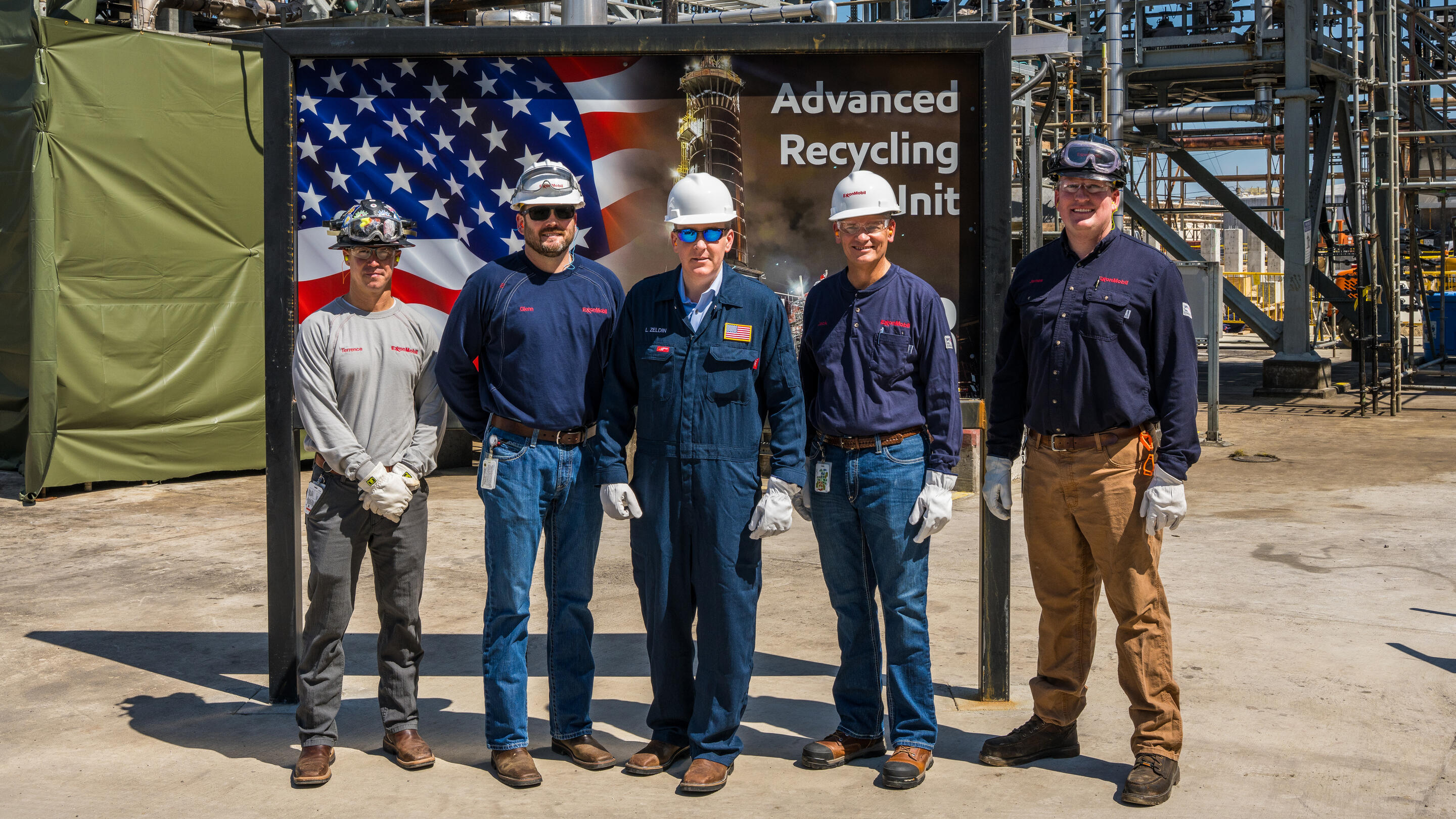
EPA Administrator Lee Zeldin tours our advanced recycling operations in Baytown
Article
•
2 min read
• Nov. 17, 2025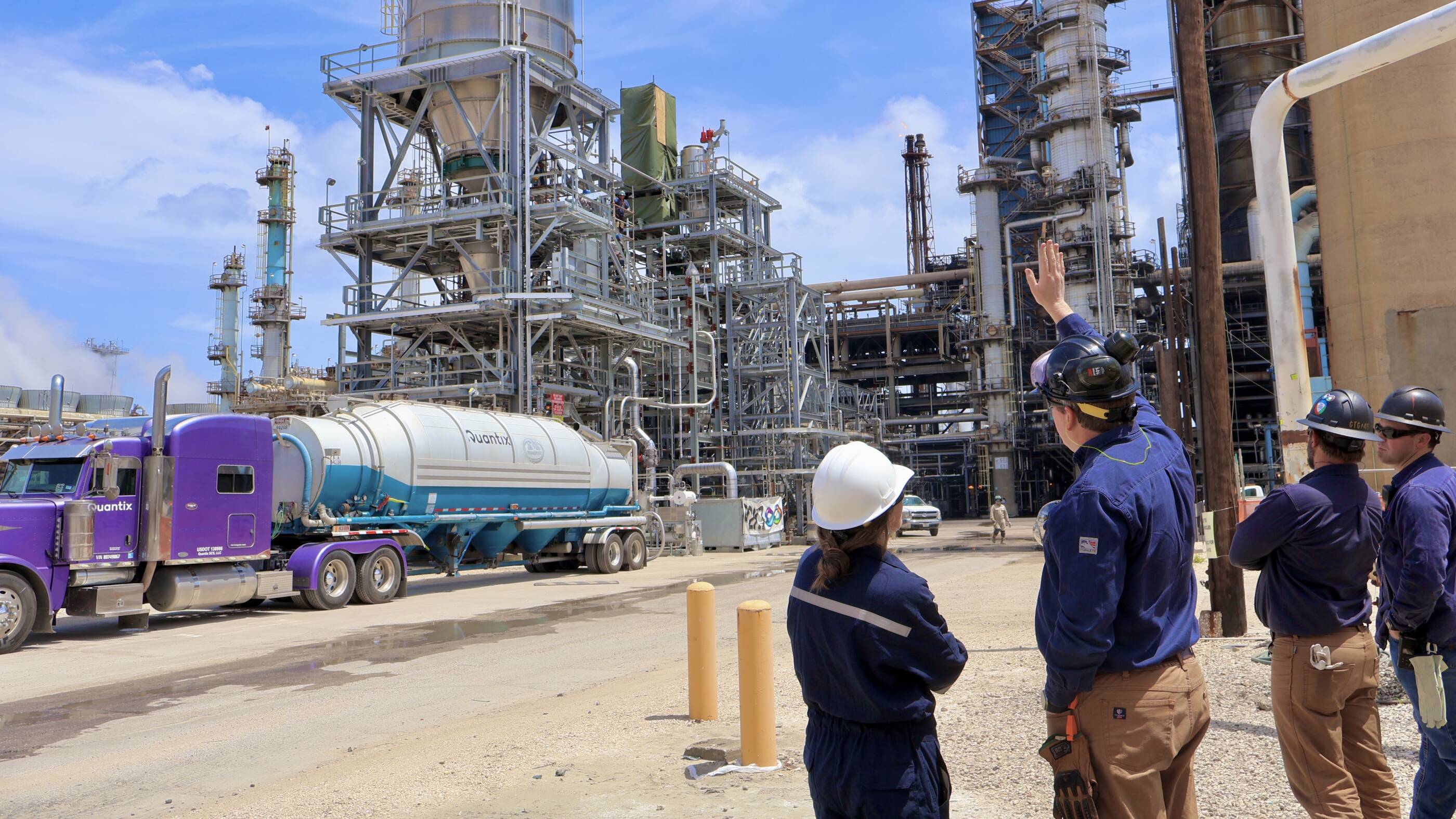
Doubling down on double capacity: our second advanced recycling unit is up and running in Baytown!
Article
•
2 min read
• June 26, 2025
ExxonMobil to expand advanced recycling capacity
News releases
•
4 min read
• Nov. 21, 2024FOOTNOTES:
- Based on OECD Global Plastics Outlook: https://www.oecd.org/content/dam/oecd/en/publications/reports/2022/02/global-plastics-outlook_a653d1c9/de747aef-en.pdf.