From waste to worth: How advanced recycling delivers results
Navigate to:
Mechanical recycling is a reliable and effective technology to help manage plastic waste. But Americans use more varieties of plastic than mechanical recycling can handle.
Why? Mechanical recycling works best with plastics that are clean and made of single-material rigid plastic, like water bottles.
Advanced recycling fills the gap. By breaking plastics down to the molecular level, it can process items like plastic wrap, potato chip bags, artificial turf, and many other plastic products mechanical recycling can’t easily handle.
Advanced recycling is more than just another technology to recycle plastic waste. It represents a major opportunity to strengthen American manufacturing, support local communities, and build a more resilient and circular economy.
Here’s some of what advanced recycling can offer:
Advanced recycling means America can recycle more types of plastics — and at an industrial scale.
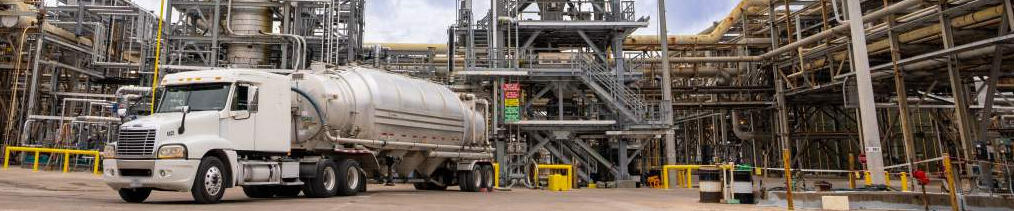
Our Baytown plant has already processed more than 145 million pounds of plastics waste through advanced recycling.1 How do we do it? We use our existing assets to process plastic waste together with other feedstocks, like crude oil.
This means we can deploy full-scale advanced recycling, expanding America’s capacity to recycle more plastic at an industrial level. That’s important. Less than 10% of plastic is recycled today. Advanced recycling can help change the equation.
Advanced recycling helps keep plastic waste out of community landfills and incinerators.
As consumer demand for more recycling options grows, society needs mechanical recycling and an “all of the above” approach to technology. Advanced recycling provides a proven, scalable solution that can help reduce the amount of plastic waste sent to community landfills and incinerators.
Through advanced recycling, every ton of plastic processed is a ton that would have likely gone to landfills or incinerators. That has real impacts for the people and communities where we live. Without this technology, efforts to reduce plastic waste will continue to be inadequate, less effective, and slower to deliver the environmental and economic results communities need.
Advanced recycling uses plastic waste to fuel American manufacturing and make the critical products society needs.
With advanced recycling, plastics are transformed into feedstocks that power U.S industry and strengthen domestic supply chains.
By breaking plastics down to their molecular building blocks, advanced recycling produces the ingredients needed for critical products like fuels, lubricants, and chemicals, as well as virgin-quality plastics suitable for applications like food packaging, medical materials, car parts, and pharmaceutical products.
Manufacturers nationwide are investing heavily in advanced recycling. More than 40 announced projects—representing over $7 billion in committed capital—could divert nearly 21 billion pounds of plastic waste from disposal.2 These investments will support jobs, innovation, and the U.S. production of critical materials.
With advanced recycling, the U.S. can keep more plastic out of our landfills and incinerators, create tens of thousands of American jobs, and strengthen our manufacturing capabilities.
These are the key advantages of advanced recycling. Because with advanced recycling, today’s waste becomes tomorrow’s resource.
Advanced Recycling
How waste today becomes value tomorrow
Explore more

Goal! Circularity progress for Houston
Viewpoints
•
3 min read
• June 25, 2026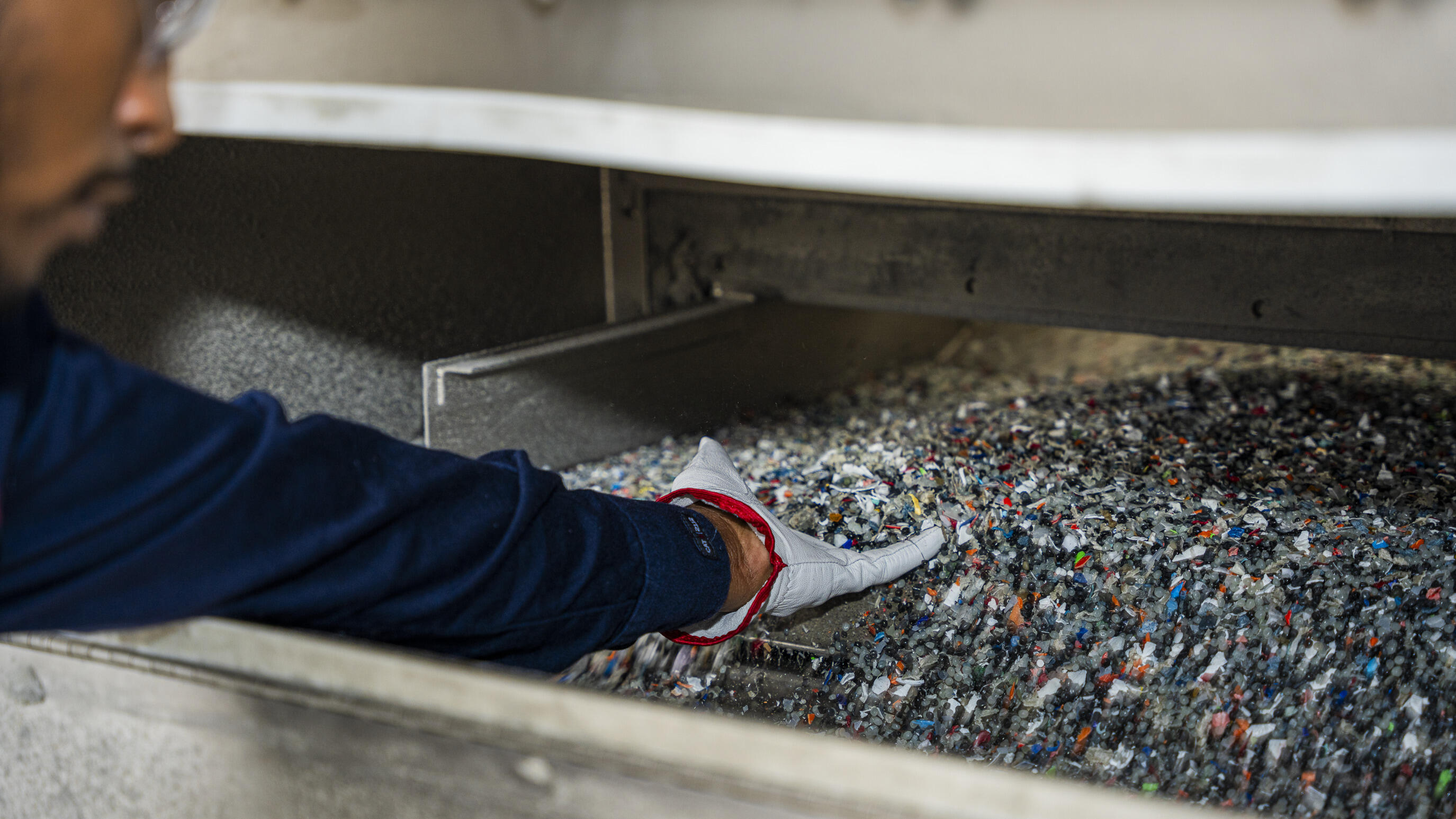
Baytown becoming one of the largest advanced recycling operations in the world
Article
•
2 min read
• Feb. 2, 2026
New research shows how popular plastic packaging compares to alternative materials
Article
•
3 min read
• Dec. 12, 2025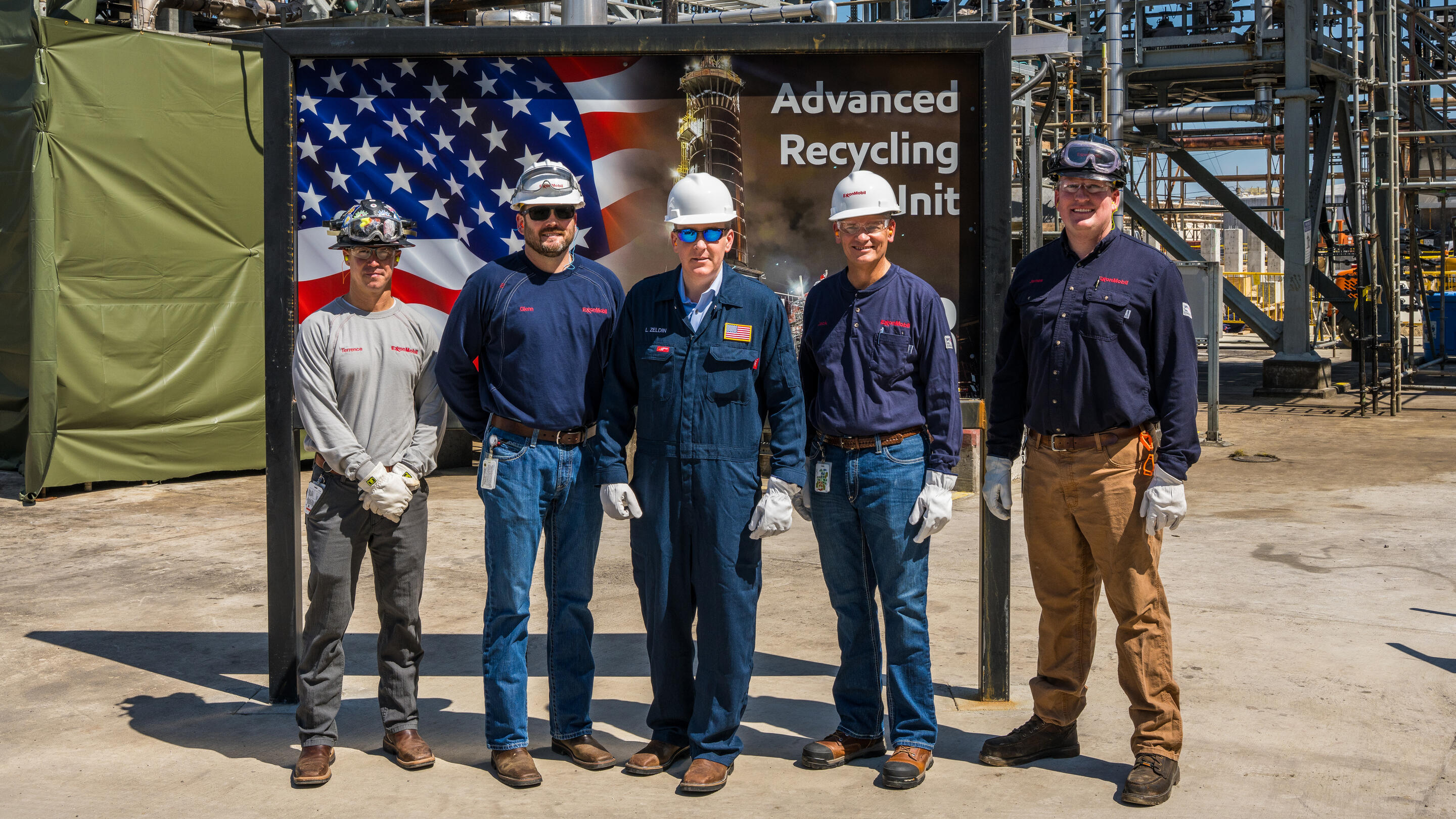
EPA Administrator Lee Zeldin tours our advanced recycling operations in Baytown
Article
•
2 min read
• Nov. 17, 2025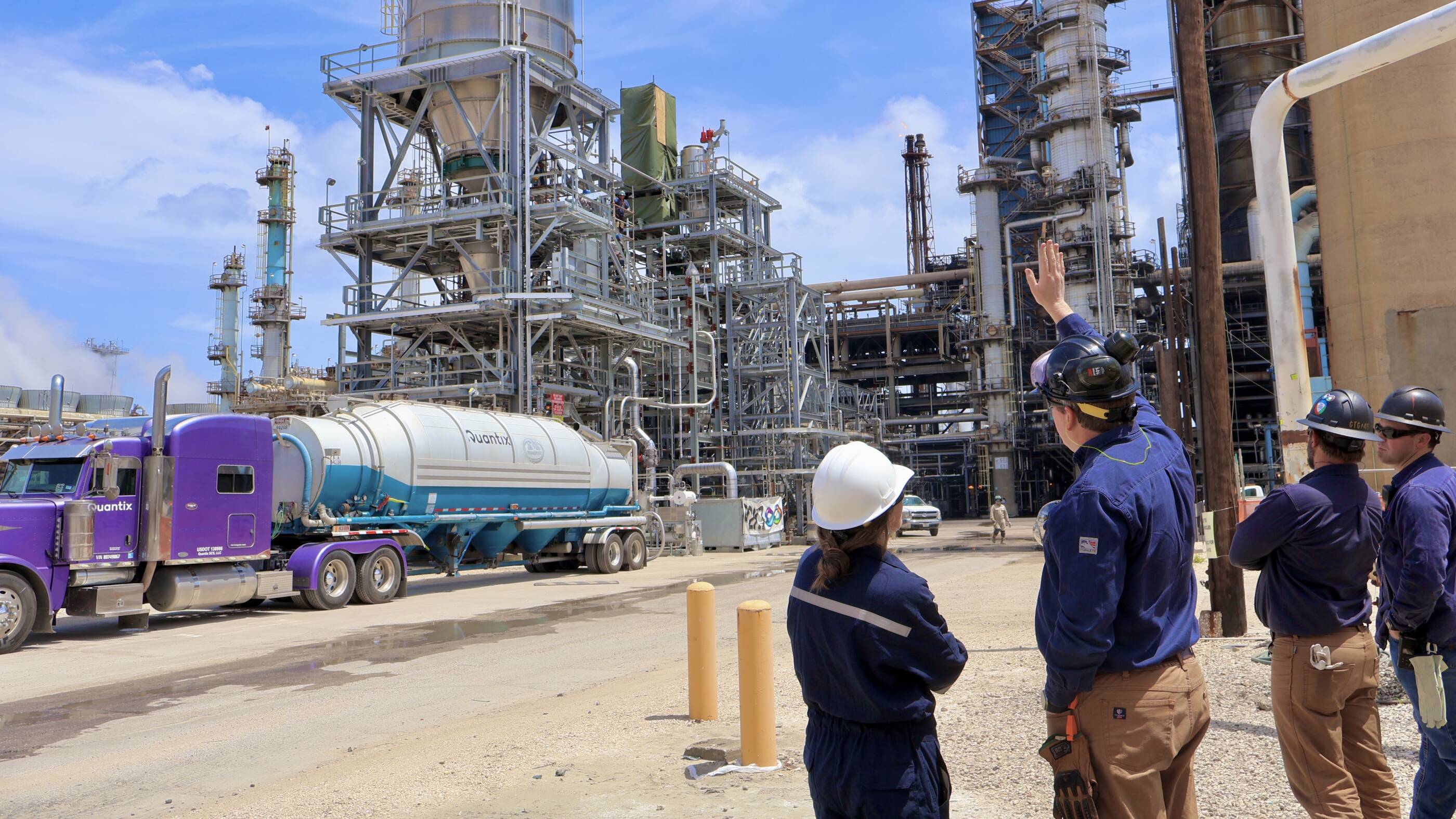
Doubling down on double capacity: our second advanced recycling unit is up and running in Baytown!
Article
•
2 min read
• June 26, 2025
ExxonMobil to expand advanced recycling capacity
News releases
•
4 min read
• Nov. 21, 2024