News
3 min read
• Oct. 6, 2026The time for LNG-powered trucking in India is now
- The transport sector accounted for 14% of India’s carbon emissions in 2025, of which road transport contributed nearly 90%.
- LNG is a viable alternative fuel for heavy-duty vehicles, offering potentially longer driving ranges and lower fuel costs than diesel.
- India is paving the way for more LNG-powered vehicles, and supportive policy can help accelerate the switch.
News
3 min read
• Oct. 6, 2026Navigate to:
India is building a roadmap towards lower emissions, but what is fueling this journey?
While energy demand accounts for the majority of emissions, the transport sector remains a significant contributor, accounting for 14% of India’s carbon emissions in 2025.
Medium- and heavy-duty trucks carry about 70% of domestic freight, making them essential to the economy.
Reducing emissions, therefore, is not about fewer trucks on the move. It’s about finding cleaner ways to move them. LNG can be part of the solution.
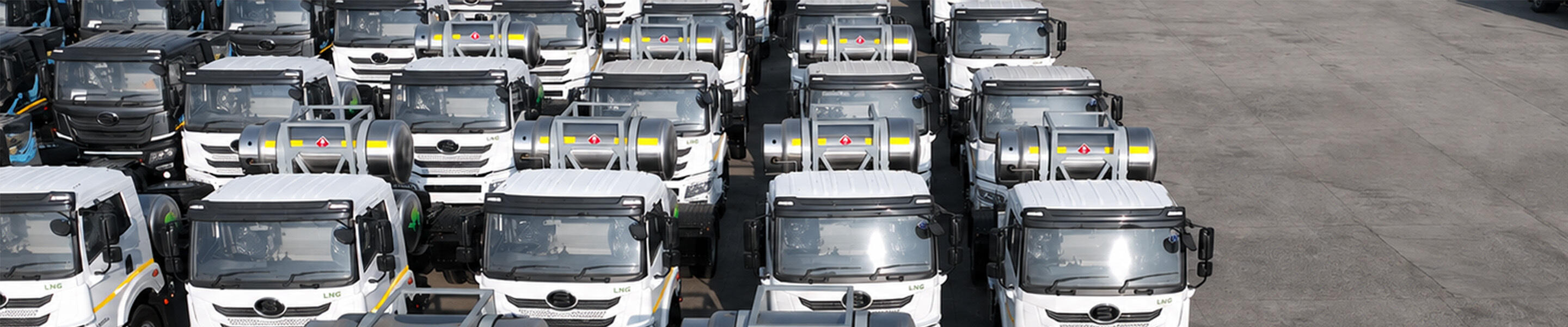
Instead of relying on diesel, many truck drivers and fleet owners are turning to liquefied natural gas (LNG) as a future fuel. Compared to diesel, LNG could potentially reduce emissions by 24%.
India already plans to convert a third of its existing fleet of heavy-duty vehicles to LNG in the coming years. India’s commercial vehicle-makers and LNG suppliers are planning to make thousands of LNG-powered trucks and help build the infrastructure to support the fuel switch.
Matthew Chandler, managing director for ExxonMobil’s gas business in South Asia, said LNG’s combination of lower emissions, a longer driving range, and typically lower fuel costs than diesel creates a range of benefits.
“It’s a fuel that really packs a punch,” he says.
Listen as Matthew outlines the different ways LNG can help India’s commercial trucking while lowering transportation emissions.
Driving towards a new fuel (1:59)
ExxonMobil in India
Explore more

Personal touch, global impact: Our people in India
News
•
2 min read
• Oct. 5, 2026
Natural gas and the road to Viksit Bharat
News
•
2 min read
• Sept. 10, 2026
How we’re helping make India’s cars performance ready
News
•
3 min read
• Aug. 31, 2026
A bold vision of scaling global energy infrastructure from India
News
•
2 min read
• June 22, 2026
Meet the digital heartbeat of our company
News
•
2 min read
• April 27, 2026
How ExxonMobil is using AI as a catalyst for innovation
News
•
2 min read
• April 14, 2026