selected item
Advancing Science: Partnering with the Department of Energy’s National Labs
ExxonMobil will work with the Department of Energy’s National Labs to bring lower emission technologies to commercial scale.
This work includes collaborative research in areas such as biofuels, carbon capture and storage, and lifecycle analysis.
R&D partnerships overview
ExxonMobil has a robust commitment to R&D investment. Since 2000, we have spent $16.5 billion on R&D across all sectors of our business. With a mandate to meet the dual energy challenge—powering the world while lowering emissions—ExxonMobil entered a 10-year partnership in 2019 with two Department of Energy National Labs to research and develop groundbreaking technologies for reducing carbon output. This collaboration with DOE’s National Renewable Energy Laboratory (NREL) and National Energy Technology Laboratory (NETL) will include research on biofuels, carbon capture and storage, and lifecycle analysis. The partnership is one of the largest agreements between the Department of Energy’s network of national laboratories and the private sector.
We can’t do this on our own — we want to get the big players on our team to help us solve [the dual energy] challenge.

Research at NREL
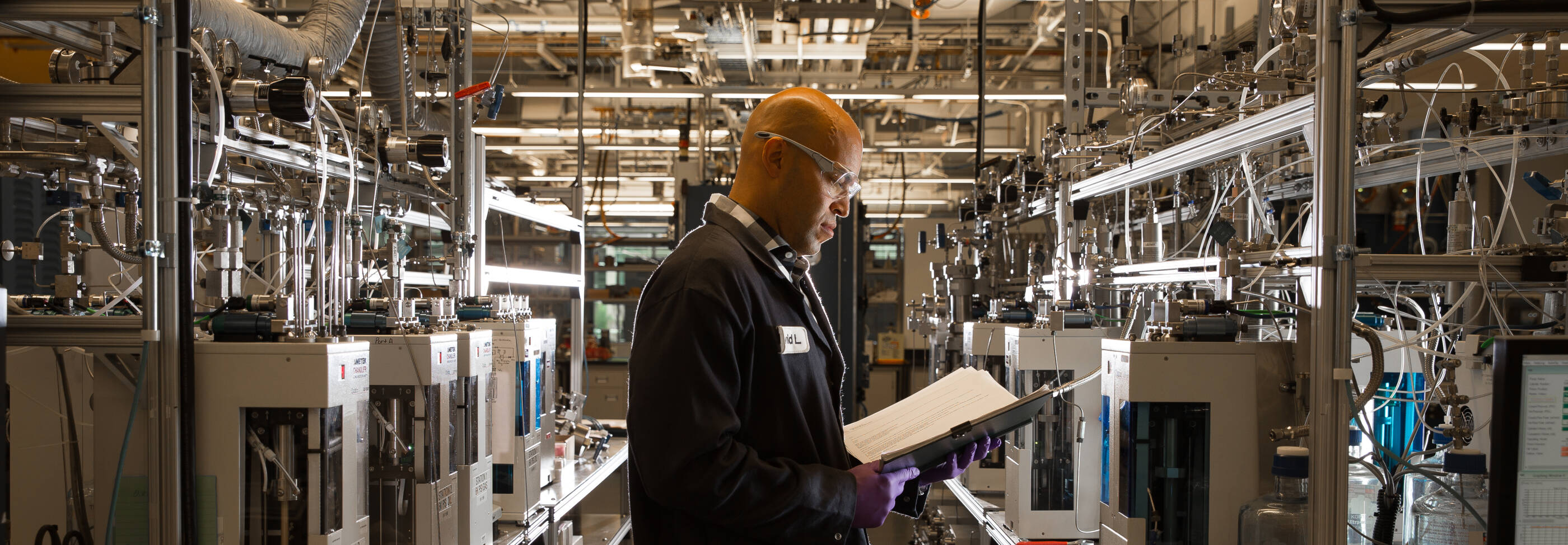
The National Renewable Energy Lab (NREL) in Colorado is one of the country’s foremost scientific institutions with a focus on renewable power, energy efficiency, and energy systems integration. Researchers at NREL’s world class facilities, including the Integrated Biorefinery Research Facility, the Energy Systems Integration Facility, and the National Bioenergy Center, work to develop lower-carbon energy solutions for the 21st century.
ExxonMobil’s partnership with NREL is focusing on biofuels, lifecycle analysis, and energy systems modeling with a specific focus on developing scalable technologies to reduce emissions. With NREL’s expertise in renewables, the ExxonMobil partnership will also look to explore how intermittent renewables can be integrated into the grid.
Research at NETL
With campuses in Pittsburgh, Pennsylvania; Albany, Oregon; and Morgantown, West Virginia, the National Energy Technology Laboratory (NETL) has a long history leading research into carbon capture and storage (CCS). Given ExxonMobil’s industry-leading position in CCS research and application, partnering with NETL to advance carbon-capture technologies only made sense.NETL is the only National Lab dedicated to fossil energy research and development. Its partnership with ExxonMobil will focus on how big base-load generators, particularly natural gas-fired plants, will continue to support the 21st century electric grid.
NETL’s unparalleled experience in carbon capture R&D puts it in a unique position to help ExxonMobil explore both the potential and the challenges of large-scale CCS commercialization.
The bigger picture
ExxonMobil’s partnership with the Department of Energy’s National Labs underscores ExxonMobil’s dedication to advancing the science around lowering emissions. “Finding meaningful solutions to address climate change is going to take everyone – governments, companies and academia – working together,” said Vijay Swarup, vice president of research and development at ExxonMobil.

INNOVATIVE PARTNERSHIPS
Reducing methane emissions
ExxonMobil is working to find new and better ways to monitor and reduce methane emissions through a new collaboration involving universities, environmental groups and other industry partners.
Called Project Astra, the effort is focused on developing an innovative sensor network to continuously monitor methane emissions across large areas to enable quick and efficient detection and repair of leaks.
The company is working with the University of Texas, Gas Technology Institute, Environmental Defense Fund and Pioneer Natural Resources.
Project Astra will create a network of sensors to feed data to a central system that can quickly alert the right people to fix a leak. This high-frequency monitoring system will enable operators to more efficiently direct resources to a specific location. If successful, the project could provide a more affordable, efficient solution to reduce methane emissions.
ExxonMobil is also testing a host of other solutions, including satellites, aircraft and unmanned drones, to detect these emissions.
Explore more
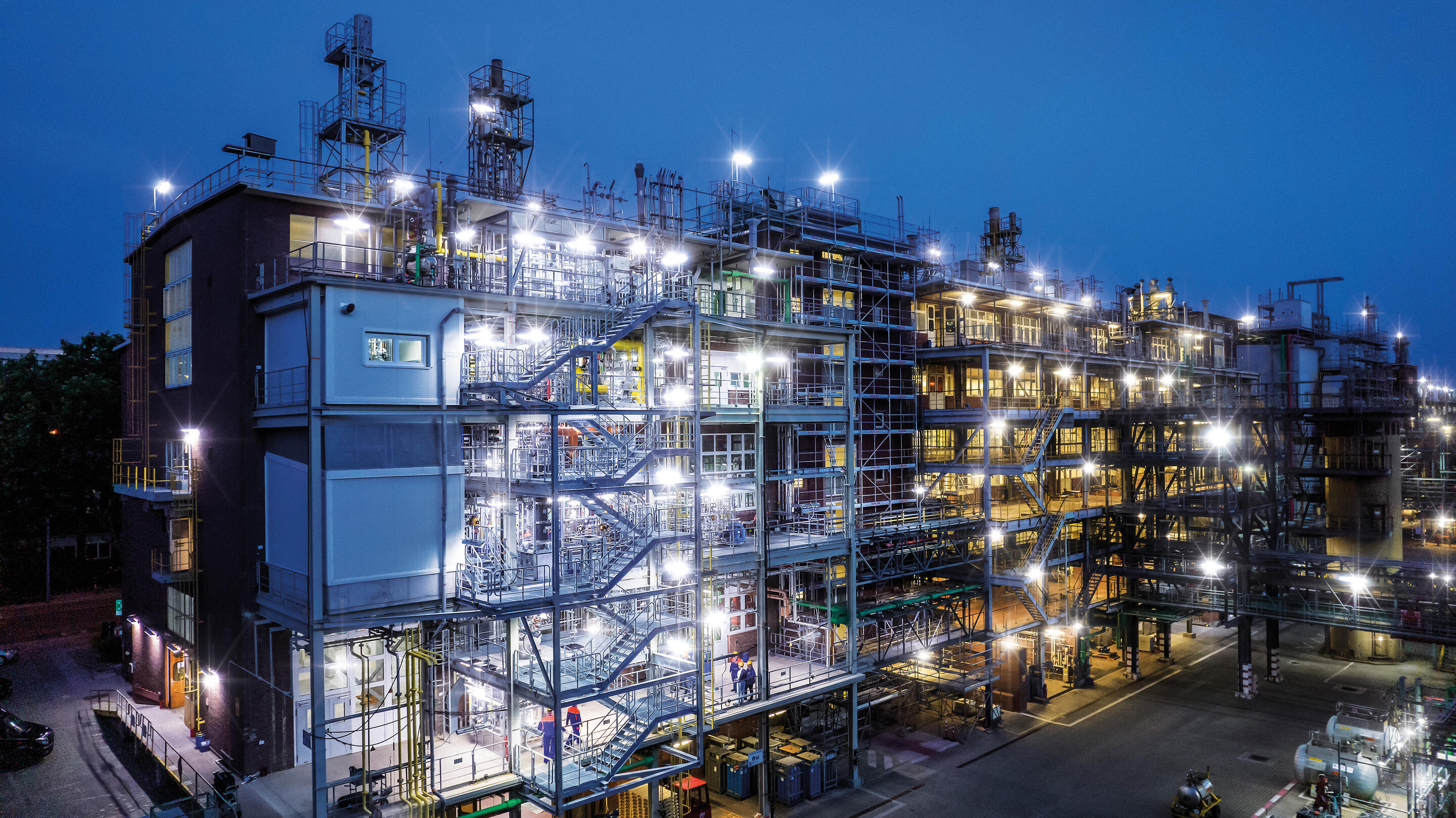
ExxonMobil and BASF join forces to advance low-emission hydrogen through methane pyrolysis technology
- Industry leaders team up to accelerate methane pyrolysis—a technology that produces low-emission hydrogen and solid carbon.
- Methane pyrolysis complements both companies’ technology portfolios.
- A demonstration plant is planned in Baytown, Texas, to validate the technology at scale.
Article
•
5 min read
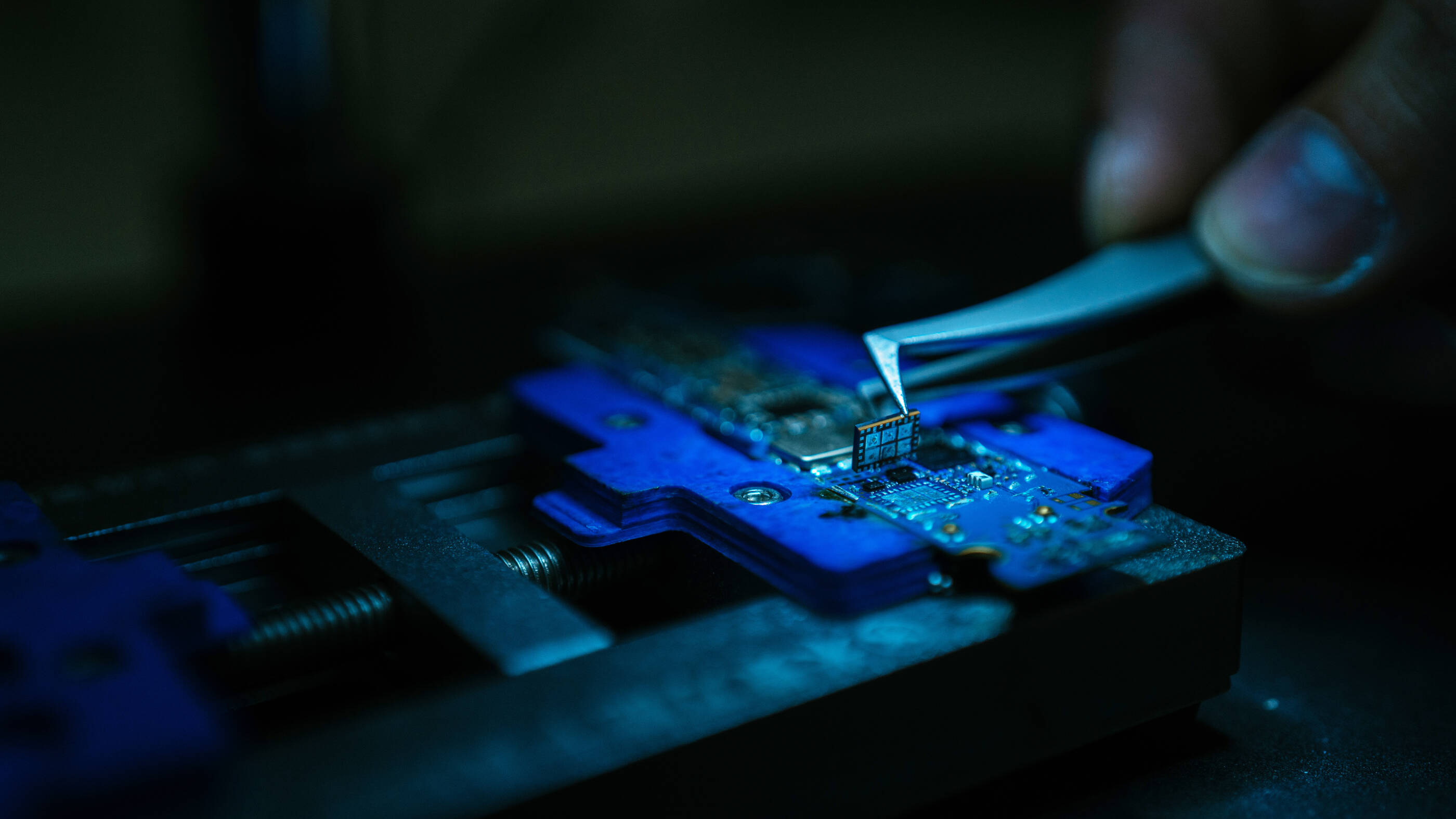
ExxonMobil’s high-purity solvent to support next generation of tech manufacturing
- We plan to start producing 99.999% high-purity isopropyl alcohol to meet the chip industry’s growing demand.
- Isopropyl alcohol was the first chemical we made starting over 100 years ago.
- Our Baton Rouge plant continues to provide a reliable US isopropyl alcohol supply.
Article
•
3 min read

The future of seismic imaging and technology
- We will be deploying cutting-edge 4D seismic technology and High-Performance Computing (HPC), demonstrating our commitment to technology development and cementing us as a leader in subsurface capabilities.
- The new Discovery 6 supercomputer is the result of a strong collaboration -- built by Hewlett Packard Enterprise (HPE) and accelerated by NVIDIA, delivers up to 4 times faster performance compared to our previous supercomputer, Discovery 5.
- Our cutting-edge 4D seismic technology, in combination with world-class HPC, will reduce 4D seismic processing time from months to weeks.
Article
•
3 min read
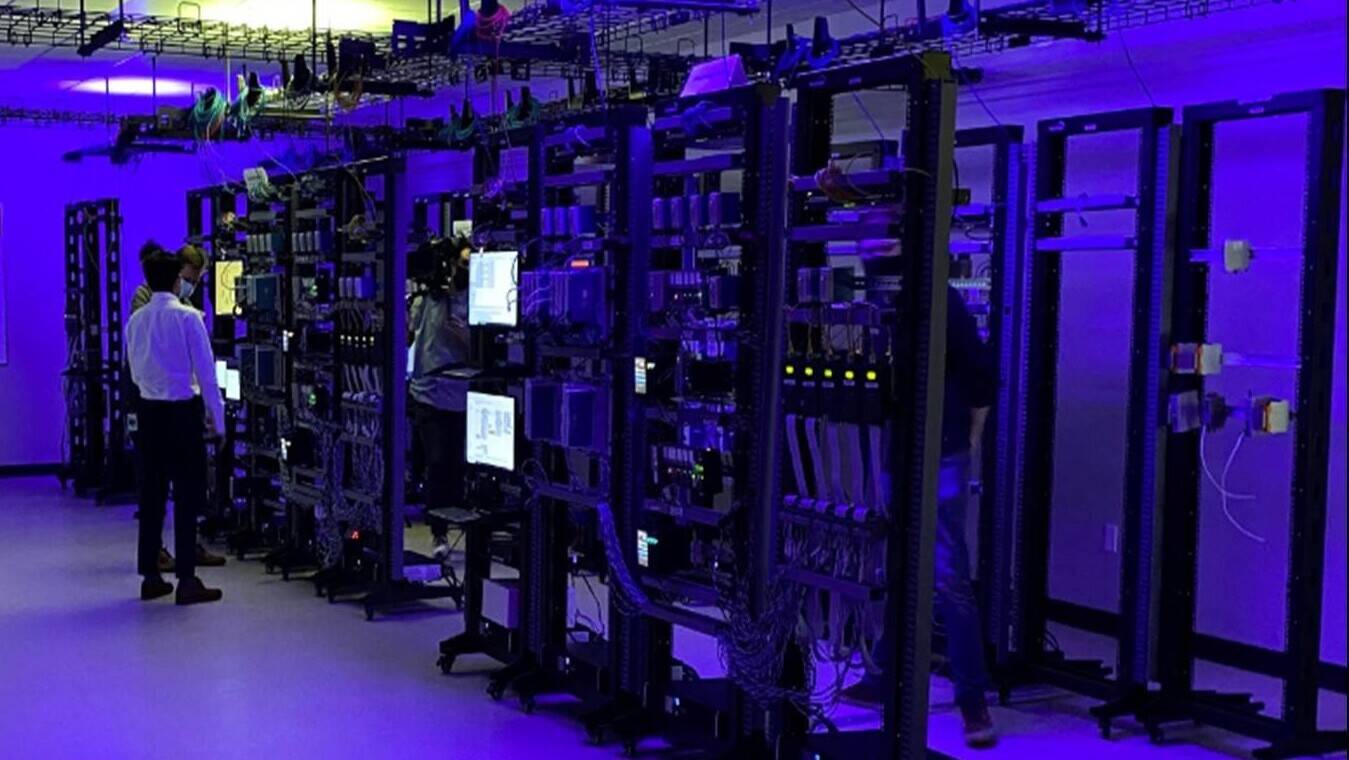
A “quantum leap forward”: We’re pioneering a new automation technology that could transform manufacturing
- We’ve helped develop a next-generation architecture for industrial controls.
- Like a smartphone, its “apps-like” ecosystem can reduce costs and unleash innovation across multiple industries.
- In Baton Rouge, we’re the first in the world to deploy it at commercial scale.
Article
Breakthrough carbon capture technology ready for field testing
Key takeaways:
- We’re developing a breakthrough emissions-reduction technology.
- Carbonate fuel cells could capture CO2 more efficiently, cost-effectively.
- We’ll demonstrate this technology at our Rotterdam site starting in 2026.
News
•
3 min read
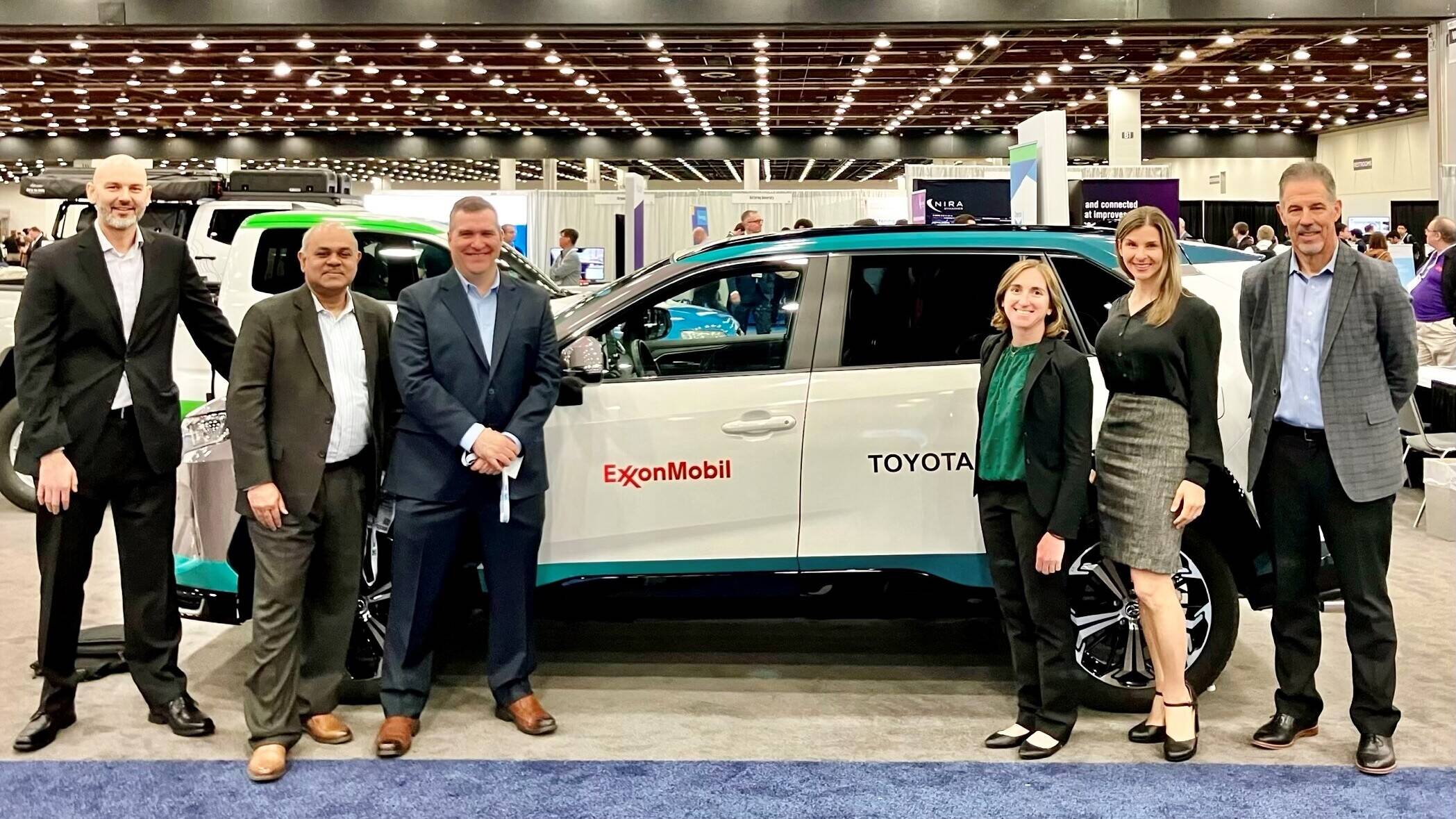
Fueling America's future with Toyota
Key takeaways:
- Lower greenhouse gas (GHG) emission liquid fuels hold promise.
- They seamlessly integrate with existing infrastructure and vehicles.
- With supportive policy, they could complement electric vehicles.
Article
•
2 min read