Article
2 min read
How are fuel prices determined in Belgium?
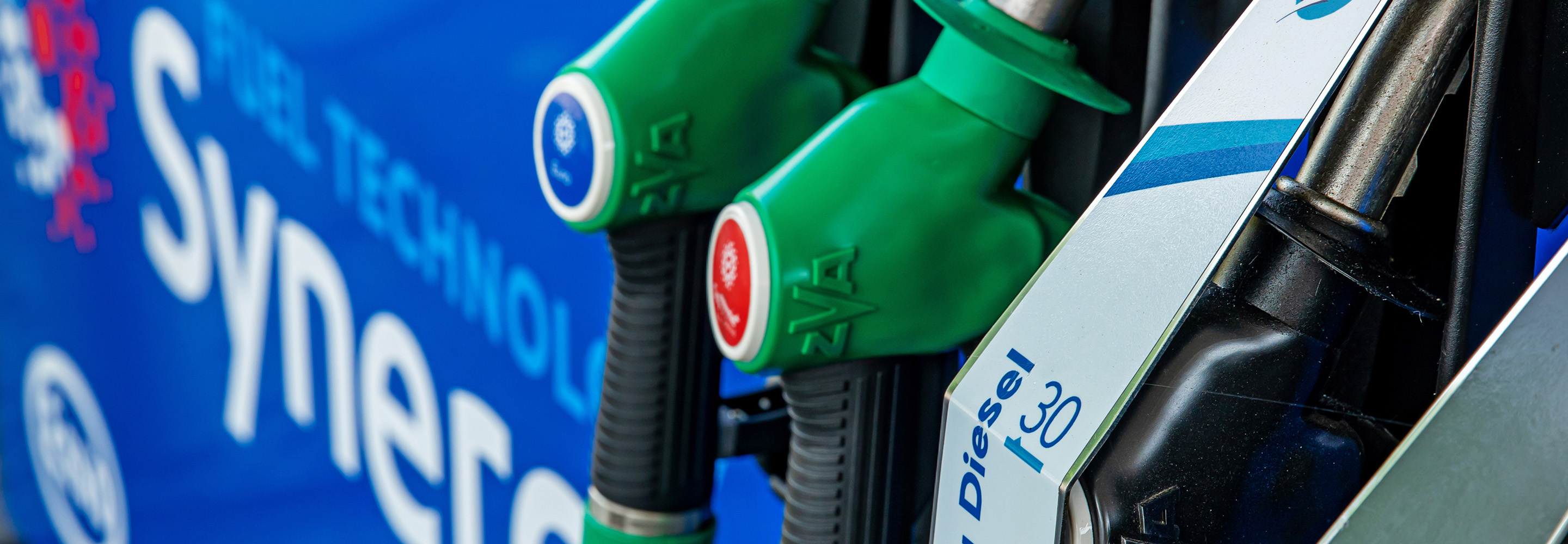
The prices of gasoline, diesel, and LPG change regularly. They include crude oil prices, refining costs, excise duties, storage costs, and VAT. Here's how fuel prices are structured:
Article
2 min read
Navigate to:
Crude oil: Crude oil is extracted globally, pumped, and transported to refineries. There, it is heated and partially converted into fuel for cars and trucks.
Economic conditions: The price of crude oil depends on supply and demand. When demand exceeds supply, the price rises; when supply exceeds demand, the price falls. Factors such as natural disasters and armed conflicts also influence prices. The price of a liter of fuel consists of approximately one-fifth crude oil price.
Strategic reserves: Processing oil in refineries and storing it incurs costs. After refining, fuel is transported to depots and temporarily stored. Due to international agreements, minimum quantities of fuel must always be stored as strategic reserves. In a crisis, the government can rely on these reserves.
Excise duties and VAT: The largest part of the pump price consists of excise duties and VAT. Excise duty is a fixed government levy on fuel, a fixed amount in euro cents per liter, adjusted annually for inflation. VAT is also levied on excise duty.
Explore more
Together for zero pellet loss
Article
•
4 min read
• Aug. 21, 2026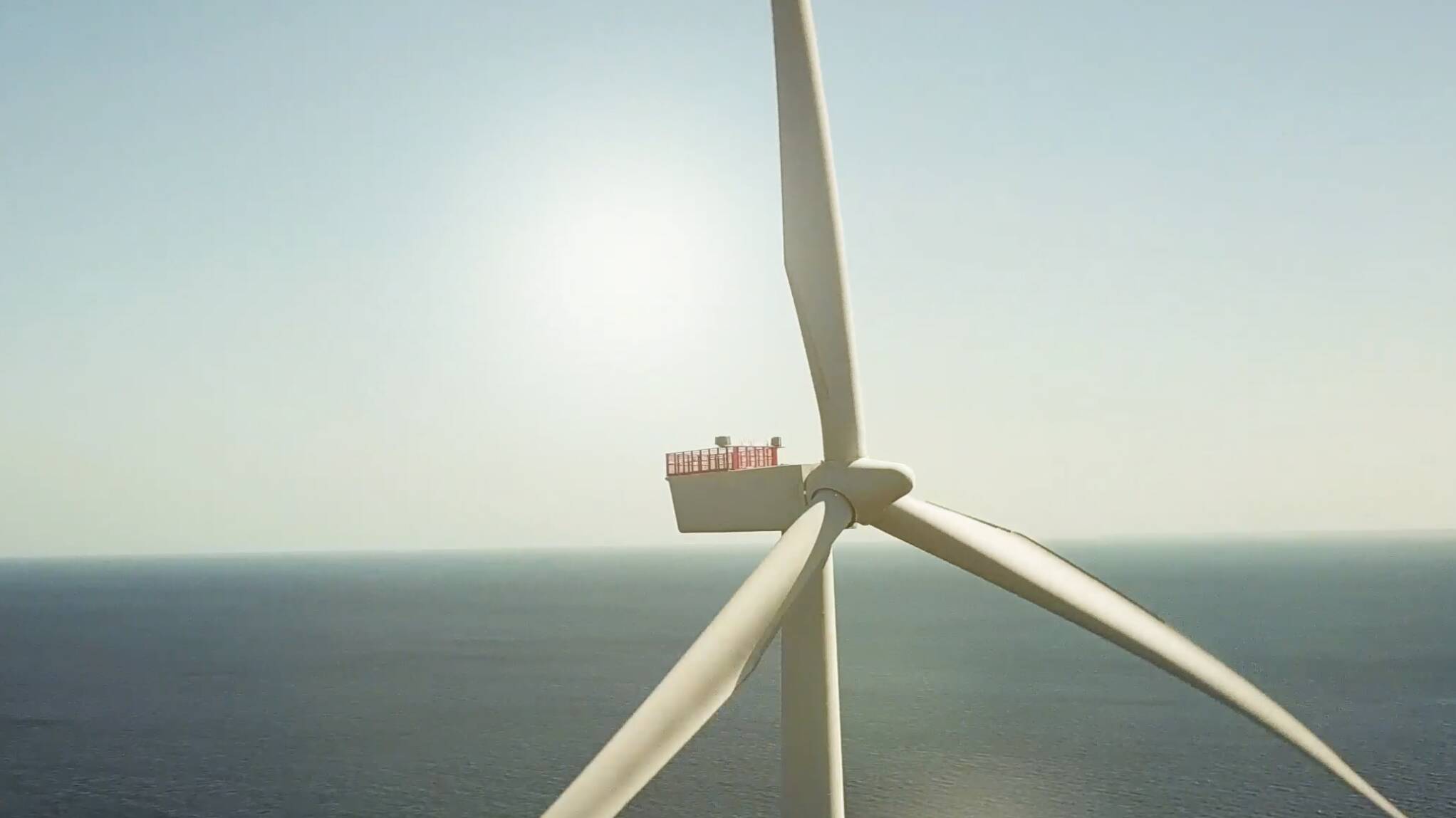
ExxonMobil and ENGIE develop wind farm in Meerhout that will supply site with green energy
News
•
2 min read
• Nov. 8, 2022
Esso extends partnership with Belgian national cycling teams for three years
News
•
2 min read
• Sept. 21, 2022

Contact us
Article
•
2 min read

STEM initiatives
Article
•
2 min read
ExxonMobil in Belgium
Contact information
Access our contacts for questions about our products, (customer) services and locations.